Beyond Symbolism: Making Gender Equality a Reality
Ms.Bornali Biswas,Editor in Chief

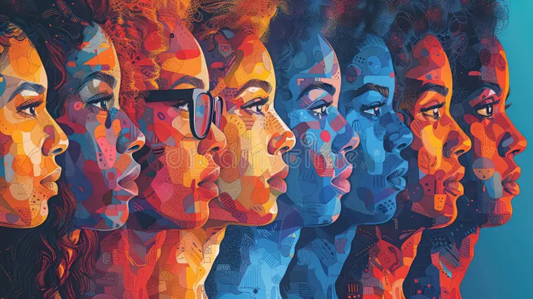
Every year, International Women’s Day is celebrated across the world on March 8 with seminars, speeches, and symbolic gestures recognizing the achievements of women. However, this year the occasion passed rather quietly, falling on a Sunday. Many institutions chose to observe it earlier on March 6 or March 7, but the subdued observance also reflects a deeper reality: for many women, particularly those outside privileged circles, the promises of equality remain largely unfulfilled.
For countless women, the celebration of International Women’s Day often feels symbolic rather than transformative. Women intellectuals, activists, and workers alike point out that despite decades of advocacy, structural inequalities persist in workplaces, homes, and public life. Women continue to carry the dual burden of professional responsibilities and unpaid domestic labor—an imbalance that has existed for centuries and still remains largely unaddressed.
Women contribute enormously to the functioning of families and societies. They manage households, raise children, care for elders, and increasingly participate in the workforce to support family incomes. According to the United Nations and its agency UN Women, women perform a disproportionate share of unpaid care work worldwide—often three times more than men. This invisible labor forms the backbone of social and economic stability, yet it rarely receives recognition or policy attention.
The challenges are even more intense for single mothers and single women heads of households. Thousands of such women struggle daily to balance caregiving and earning livelihoods, often with limited institutional support. In many cases, these women have little time for rest, let alone participation in civic or community engagement. Their experiences reveal the urgent need for stronger social support systems and inclusive economic policies.
While women have given immeasurable contributions over generations, the responsibility now lies with governments, institutions, and society to ensure that women receive their fair share of opportunities and resources. Gender equality is not only a matter of justice; it is also essential for economic development. The World Bank has repeatedly emphasized that empowering women through education, financial inclusion, and employment opportunities can significantly boost economic growth and reduce poverty.
One promising pathway toward empowerment is the growth of community-based initiatives such as self-help groups (SHGs). Across India, millions of women participate in such collectives to build financial independence, share resources, and support one another. Programs supported by the National Rural Livelihood Mission have demonstrated how cooperation among women can improve livelihoods, strengthen local economies, and foster confidence and leadership.
Beyond institutional reforms, women themselves have a crucial role in shaping a more equitable future. Building solidarity around common concerns—whether wage equality, workplace safety, access to education, or healthcare—can amplify women’s voices in policy debates that often remain dominated by male perspectives. When women unite and speak collectively, they become a powerful force for social transformation.
Ultimately, the spirit of International Women’s Day should move beyond ceremonial observance toward meaningful change. Women have already given enough to society—through their labor, care, and resilience. What they seek in return is simple yet profound: love, respect, equal opportunities, and cooperation.
Creating a truly equal world requires sustained commitment from governments, institutions, and communities. If societies invest in women’s empowerment and ensure equitable access to resources, the benefits will extend far beyond individual lives. A world that values and supports women is not only more just—it is also more prosperous, peaceful, and humane.
As we reflect on the message of International Women’s Day, the pledge must be clear: to build a gender-equal world where every woman has the opportunity, dignity, and freedom to shape her own future.