Breaking Barriers: Inside the Lives of Women Cab Drivers in Delhi-NCR
News Mania Desk/ Piyal Chatterjee/ 1st April 2026

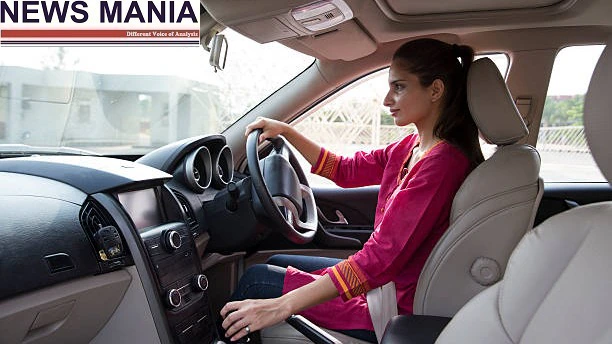
In the fast-paced urban sprawl of Delhi-NCR, a growing number of women are steering their way into the ride-hailing industry, challenging long-standing gender norms while navigating demanding work conditions. The experiences of two such drivers, Pinki and Saroj, offer insight into the realities of women working behind the wheel in a largely male-dominated profession.
Their daily routines are marked by long and irregular hours, often stretching beyond 10 hours a day. Saroj, who drives for the mobility platform Rapido, typically starts early in the morning and continues through the evening, covering extensive routes across the city. The job requires not only physical endurance but also constant alertness, particularly in a city where concerns around women’s safety remain prevalent.
Both drivers say they have developed strategies to manage risks, such as avoiding poorly lit or isolated areas and being selective about ride requests. While they do not consider the city entirely unsafe, they rely on personal judgment and shared experiences from fellow drivers to make decisions on the road.
Interestingly, their interactions with passengers often defy stereotypes. Pinki points out that disagreements sometimes arise with female passengers over drop-off points in less secure locations, while many male passengers react with curiosity or encouragement upon encountering a woman driver. Such interactions reflect a gradual shift in public perception.
Balancing professional responsibilities with domestic duties adds another layer of complexity. Unlike many male drivers, women like Pinki and Saroj must coordinate their work schedules around household obligations and childcare. Family support plays a crucial role—Pinki benefits from a joint family setup, whereas Saroj limits late-night shifts due to lack of assistance at home.
Their journeys into this profession were not easy. Despite undergoing formal driving training, many women drop out due to societal pressure, safety concerns, or uncertain income. Saroj recalls being the only one among her training batch to continue driving professionally.
Even so, their stories signal a broader transformation. As more women enter the sector, they are not only earning livelihoods but also reshaping societal attitudes. For Pinki and Saroj, driving represents independence and empowerment, marking a significant step toward greater gender inclusion in urban India’s workforce.