Concerned about the agri-impact of the US treaty, farmer unions and the opposition warn of protests.
News Mania Desk /Piyal Chatterjee/ 10th February 2026
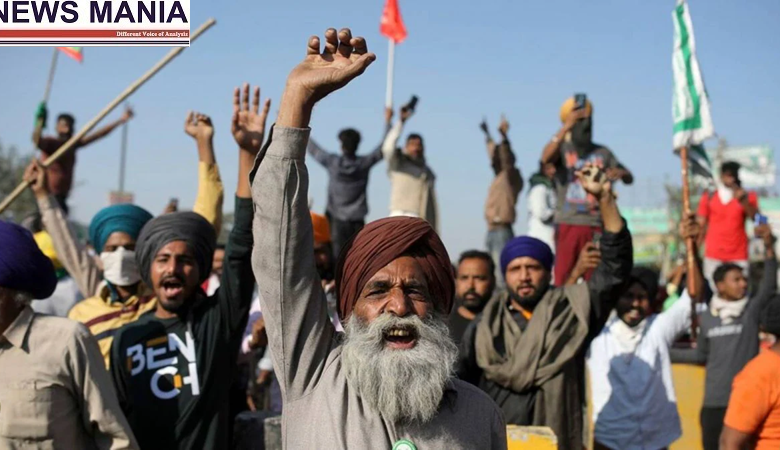
Farmer unions and opposition parties on Tuesday stepped up their opposition to the proposed India–US Free Trade Agreement (FTA), warning of nationwide protests if the government moves ahead without addressing concerns related to agriculture. The resistance has also widened to include objections to the Seed Bill and the Electricity Amendment Bill, which critics say could significantly impact farmers’ livelihoods.
At a joint briefing in the capital, leaders from prominent farmer organisations, including the Bharatiya Kisan Union (BKU), said the interim trade framework with the United States poses serious risks to India’s agricultural sector. They argued that reducing tariffs and opening markets could expose domestic farmers to competition from heavily subsidised foreign produce, making it difficult for small and marginal cultivators to survive.
Farmer leaders expressed particular concern over what they described as a lack of transparency and consultation in the negotiation process. They said farmers were neither taken into confidence nor provided clear information about which agricultural products might be covered under the agreement. According to them, vague assurances from the government were insufficient, especially given past experiences with market reforms that triggered widespread unrest.
The proposed Seed Bill also came under sharp criticism. Farmer unions said the legislation, which has resurfaced after years of dormancy, could weaken farmers’ control over seeds and increase dependence on large corporations. They warned that changes in seed regulation might affect traditional farming practices and raise input costs. Similarly, the Electricity Amendment Bill was criticised for potentially altering subsidy structures and increasing power tariffs, adding to the financial burden on farmers.
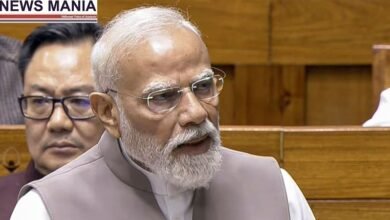
Opposition parties echoed these concerns in Parliament and outside, accusing the government of prioritising international trade interests over domestic agriculture. Several opposition MPs described the FTA talks as hurried and poorly debated, arguing that Parliament and stakeholders deserved a detailed discussion before any commitments were made. Some leaders warned that the combined effect of the trade deal and the proposed bills could destabilise rural economies.
The growing discontent has merged with a broader mobilisation by farmer and labour unions, who are backing a nationwide strike later this week. Organisers claim the protest will see participation from millions of farmers and workers across sectors, highlighting opposition not only to the trade deal but also to labour reforms and other policy changes they view as anti-people.
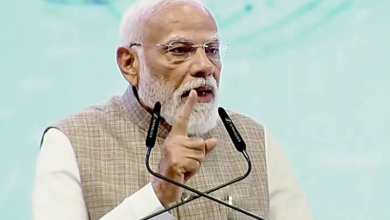
The government, however, has rejected the allegations, maintaining that farmers’ interests remain protected. Union ministers have said sensitive agricultural products have been kept outside the scope of concessions and that India has not crossed its “red lines” during negotiations. Officials insist the agreement aims to boost exports, strengthen bilateral ties and create economic opportunities without harming domestic agriculture.
Despite these assurances, farmer unions remain unconvinced. They have warned that if the government does not halt or reconsider the proposed measures, protests could intensify in the coming days. As tensions rise, the India–US trade talks have become a flashpoint in the broader debate over economic reforms, trade liberalisation and the future of Indian agriculture.