Despite protests, the president approves a “regressive” trans bill.
News Mania Desk/ Piyal Chatterjee/31st March 2026

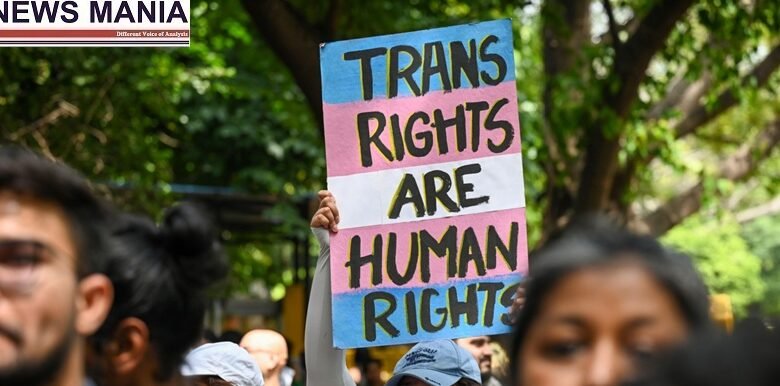
According to a gazette notice published by the Union Law Ministry on Monday, March 30, President Droupadi Murmu officially signed the controversial Transgender Persons (Protection of Rights) Amendment Bill, 2026 into law.
On March 25, a day after it passed the Lok Sabha, the Rajya Sabha passed the Act despite opposition calls to send it to a select committee for additional review due to worries that its provisions would affect transgender people’s dignity.
The Bill is now an Act after the President’s assent. However, activists, attorneys, and LGBTQIA+ community members have strongly criticized the action.
About 140 attorneys and feminists wrote to the President a day after the Rajya Sabha approved the Bill, pleading with her to withhold assent due to “constitutional violations” and “procedural infirmities” in the way it was passed.
Since then, a number of public figures and campaigners have called the bill “regressive.” Anish Gawande, a spokesman for the Nationalist Congress Party and an advocate for LGBTQIA+ rights, stated that “the Act is now one of the most regressive pieces of legislation on transgender rights in the world” and that “it is shameful to see India reverse decades of progress.”
Similar worries were expressed by AAP politician Ruben Mascarenhas, who described the law as “one of the most regressive legislations ever” and said that India has entered “the ignominious club of countries with some of the worst human rights abuses.”
Additionally, community advocates caution that the law may eliminate legal recognition for a number of groups, such as transgender males and non-binary people, and subject transgender people to more stringent state and medical regulation.
Union Social Justice and Empowerment Minister Virendra Kumar defended the law, saying it aims to safeguard people who are discriminated against because of their biological makeup. He insisted that transgender people would continue to be protected by the law.
Additionally, the administration claims that the previous definition was “vague” and made it “impossible to identify the genuine oppressed persons” who were supposed to benefit from the statute.