Shaya by CaratLane Evokes The Old World Charm of The Kalighat Paintings of Kolkata With its New Collection Chitrakalay Kolkata


The collection is a love letter to the city that has created and nurtured art for generations.
Kolkata, 16 October 2023: Bridging the gap between bequest authenticity for silver jewels and a fresh, contemporary approach towards new-age design, Shaya by CaratLane, brings yet another artistically stimulating collection – Chitrakalay Kolkata. This bold and edgy counterpart of CaratLane looks at silver jewellery in a new format. Whether your style is all about statement pieces that multiply the glam quotient or understated, low key designs, Shaya is for every jewellery connoisseur out there.
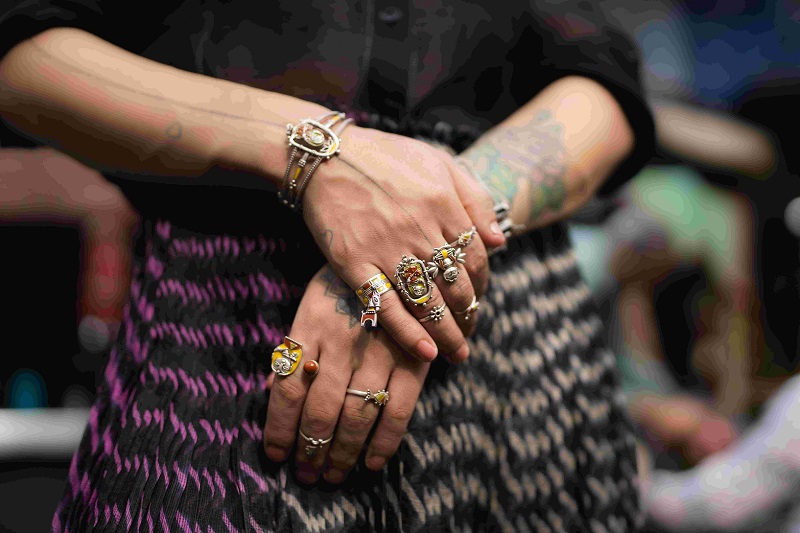
Chitrakalay Kolkata aka Kolkata in paintings roots with Kolkata’s rich cultural landscape acting as the primary inspiration, this collection will take you to the vibrant culture of the Kalighat paintings. With Kolkata as a timeless muse – art runs through the veins of the city, from the ghats to the coffee house, and the chaotic streets – the range exudes simplicity, bold lines, vibrant colours, and thematic diversity. The Kalighat paintings that come from the Kalighat area of Kolkata, typically depict a wide range of subjects, including mythological stories, religious deities, folklore, social issues, and everyday life.
The Chitrakalay Kolkata range captures the essence of the city through these paintings. For the collection launch campaign, Shaya collaborates with artists Joan Dominique Rai, Sneha Ghosh, Elina Banerjee and Sucharita Saha. Each of them share a unique connection with Kolkata, whether being born there, finding a home there or leaving and carrying a little piece of the city with them.
The collection brings to life the vision of the designers and the deft hands of the karigars. Together, the line is a sharp endeavour to recreate this legendary work of the painters of Kalighat. The characters of the paintings are brought to life on silver caricatures, hand painted with contrasting strokes of enamel. The earthy palette is a nod to the natural dyes used in the paint.
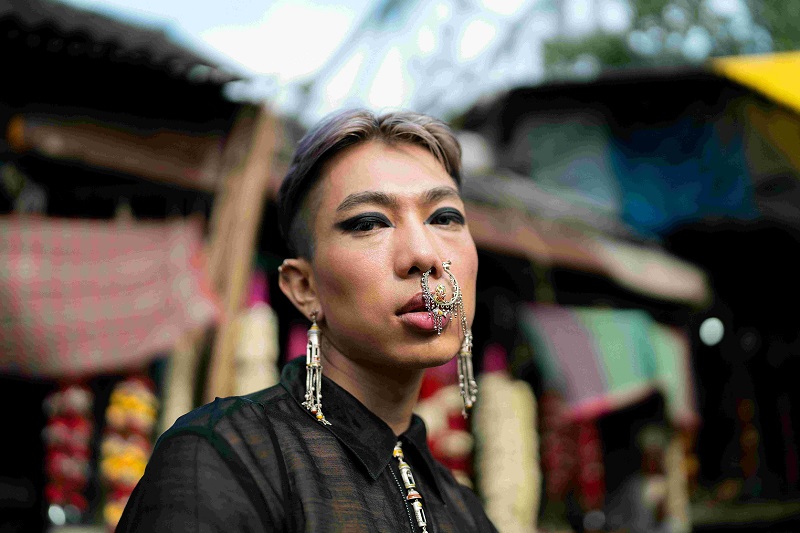
This collection enters the market just in time for Durga Pujo, the biggest festive period for Bengalis and will be the perfect addition for the upcoming festive season to suit both ethnic and bohemian styles. With Chitrakalay Kolkata, Shaya unpacks its signature playful aesthetic balanced with subtle earthy tones.
The collection is available on heyshaya.com amd Caratlane stores in Kolkata
Chinar Park: CaratLane, Ground Floor, Pinnacle Tower, near Chinar Park, Dash Drone, Newtown, Kolkata, WestBengal, 700136
Park Street: Ground floor, 21A, Park St, next to The Park Hotel, Park Street area, Kolkata, West Bengal 700016
The range starts at INR 900.
(This story has not been edited by News Mania staff and is published from a Media Release)