ASSEMBLY POLLBJPIndiaPoliticsPublicWest Bengal

Government of West Bengal (Projected BJP Cabinet – 2026)

News Mania Desks/ Bornali Biswas / 8th May 2026

A Hypothetical Political and Administrative Formation Based on BJP’s 2026 Electoral Mandate

This is a hypothetical and suggestive cabinet formation prepared strictly on the basis of the 207 BJP-winning candidates reflected in the Election Commission results. The allocation of portfolios is based on political significance, regional representation, organizational influence, administrative suitability, and symbolic balance within the party structure.

Top Constitutional Positions

PositionName
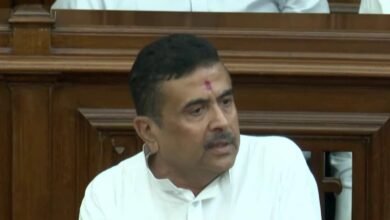
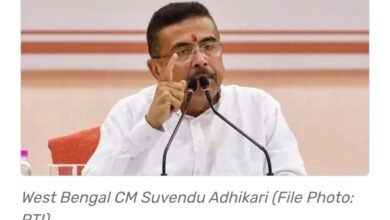
Chief MinisterSuvendu Adhikari
Deputy Chief MinisterDilip Ghosh
Deputy Chief MinisterAgnimitra Paul
SpeakerRahul Sinha
Deputy SpeakerTapas Roy

Chief Minister and Core Administrative Control

PositionNameDepartments
Chief MinisterSuvendu AdhikariHome and Hill Affairs; Personnel and Administrative Reforms; Land and Land Reforms and Refugee Relief and Rehabilitation; Programme Monitoring
Deputy Chief MinisterDilip GhoshPanchayats and Rural Development; Paschimanchal Unnayan Affairs
Deputy Chief MinisterAgnimitra PaulIndustry, Commerce and Enterprises; Information Technology and Electronics

Complete Department-Wise Cabinet Allocation

DepartmentMinister
Agricultural MarketingKoushik Chowdhury
AgricultureKoushik Chowdhury
Animal Resources DevelopmentSukra Munda
Backward Classes WelfareMamoni Bauri
Consumer AffairsSankar Chatterjee
Co-operationSubrata Kabiraj
Correctional AdministrationSajal Ghosh
Disaster Management and Civil DefenceRekha Patra
EnvironmentAmiya Kisku
FinanceSwapan Dasgupta
Fire and Emergency ServicesRekha Patra
Fisheries, Aquaculture, Aquatic Resources and Fishing HarbourSumanta Mandal
Food and SuppliesSankar Chatterjee
Food Processing Industries and HorticultureGopal Chandra Saha
ForestsAmiya Kisku
Health and Family WelfareDr. Indranil Khan
Higher EducationShankar Ghosh
Home and Hill AffairsSuvendu Adhikari
HousingRupa Ganguly
Industry, Commerce and EnterprisesAgnimitra Paul
Information & Cultural AffairsDhruba Saha
Information Technology and ElectronicsAgnimitra Paul
Irrigation and WaterwaysDibyendu Adhikari
JudicialKaustuv Bagchi
LabourAjay Kumar Poddar
Land and Land Reforms and Refugee Relief and RehabilitationSuvendu Adhikari
LawKaustuv Bagchi
Mass Education Extension and Library ServicesShankar Ghosh
Micro, Small and Medium Enterprises and TextilesAjay Kumar Poddar
Minority Affairs and Madrasah EducationBharat Kumar Jhawar
Non-Conventional and Renewable Energy SourcesLakshman Chandra Ghorui
North Bengal DevelopmentNishith Pramanik
Panchayats and Rural DevelopmentDilip Ghosh
Parliamentary AffairsKaustuv Bagchi
Paschimanchal Unnayan AffairsDilip Ghosh
Personnel and Administrative ReformsSuvendu Adhikari
Planning and StatisticsSwapan Dasgupta
PowerLakshman Chandra Ghorui
Programme MonitoringSuvendu Adhikari
Public Enterprises and Industrial ReconstructionAgnimitra Paul
Public Health EngineeringHare Krishna Bera
Public WorksChandra Sekhar Banerjee
School EducationShankar Ghosh
Science and Technology and BiotechnologyPiyush Kanodia
Self Help Group and Self EmploymentChandana Bauri
Sundarban AffairsSumanta Mandal
Technical Education, Training & Skill DevelopmentPiyush Kanodia
TourismDhruba Saha
TransportDibyendu Adhikari
Tribal DevelopmentKshudiram Tudu
Urban Development and Municipal AffairsRupa Ganguly
Water Resources Investigation and DevelopmentHare Krishna Bera
Women and Child Development and Social WelfareChandana Bauri
Youth Services and SportsAshoke Dinda

Political Analysis of the Proposed Cabinet

This proposed cabinet attempts to establish a balance between:

  • Electoral performance
  • Administrative competence
  • Organizational loyalty
  • Regional representation
  • Caste and community outreach
  • Urban-rural balance
  • Symbolic political messaging

The structure reflects a hybrid power arrangement where both the old BJP organization and the Suvendu Adhikari political bloc retain substantial influence.

The inclusion of leaders from North Bengal, Junglemahal, industrial regions, Kolkata’s urban elite sections, and women representatives indicates a deliberate effort to construct a socially and geographically balanced administration.

Strategic Logic Behind Key Portfolios

Suvendu Adhikari – Centralized Administrative Command

By retaining Home, Personnel, Land Reforms, and Programme Monitoring, the Chief Minister would effectively maintain control over:

  • Bureaucratic restructuring
  • Law and order stabilization
  • Anti-corruption drives
  • Administrative oversight
  • Political consolidation

This mirrors the governance structure often adopted during regime-transition governments where institutional control becomes central to the first phase of administration.

Dilip Ghosh – Rural and Organizational Consolidation

Assigning Panchayats and Rural Development to Dilip Ghosh reflects the importance of consolidating BJP’s rural gains.

Paschimanchal Unnayan Affairs additionally strengthens BJP’s outreach in:

  • Junglemahal
  • Western Bengal districts
  • Tribal and semi-rural belts

Agnimitra Paul – Industrial and Urban Modernization

Agnimitra Paul’s projected control over:

  • Industry
  • Commerce
  • IT and Electronics
  • Public Enterprises

positions her as the face of Bengal’s economic modernization agenda.

This also symbolically projects:

  • Urban leadership
  • Women-led governance visibility
  • Startup and investment-friendly policymaking

Swapan Dasgupta – Fiscal and Strategic Governance

The allocation of Finance and Planning to Swapan Dasgupta suggests an attempt to bring technocratic and policy-oriented governance into the cabinet.

Shankar Ghosh – Education Reforms

Handling School Education and Higher Education positions him as a central figure in curriculum reform, institutional restructuring, and education-sector modernization.

Political Structure of the Government

Power BlocRepresentation Strength
Suvendu Adhikari CampDominant
Old BJP OrganizationStrong
North Bengal RepresentationStrong
Junglemahal / Tribal Belt RepresentationVery Strong
Kolkata Urban LeadershipStrong
Industrial Belt LeadershipStrong
Women LeadersHighly Visible

Core Government Agenda

Phase 1 – Administrative Stabilization

Primary objectives during the first phase would likely include:

  • Administrative cleanup
  • Law and order stabilization
  • Anti-corruption investigations
  • Bureaucratic restructuring
  • Cadre dismantling and institutional depoliticization

Phase 2 – Economic and Infrastructure Expansion

The second phase would likely focus on:

  • Kolkata modernization
  • IT and startup ecosystem expansion
  • Port-led industrialization
  • Logistics and freight corridors
  • Manufacturing revival
  • MSME growth
  • Urban infrastructure expansion

Phase 3 – Long-Term Bengal Transformation

The broader long-term objective of this projected government would be:

  • Restoring Kolkata as Eastern India’s premier economic hub
  • Reviving Bengal’s industrial identity
  • Expanding cultural soft power
  • Repositioning West Bengal as a major national investment destination

Broader Political Implications

If implemented in reality, such a cabinet structure would represent one of the most dramatic political transitions in modern West Bengal history.

The cabinet design reflects a deliberate attempt to:

  • Blend ideological governance with administrative centralization
  • Shift Bengal toward investment-driven economic politics
  • Build a durable rural-urban electoral coalition
  • Consolidate BJP’s emergence as Bengal’s dominant political force

At the same time, the success of such a government would depend heavily upon:

  • Bureaucratic cooperation
  • Economic revival capacity
  • Social cohesion management
  • Employment generation
  • Urban governance reforms
  • Managing political polarization during transition

This hypothetical BJP cabinet for West Bengal in 2026 presents a governance model centered around centralized administrative authority, aggressive infrastructure expansion, industrial revival, and political consolidation.

Under the leadership of Suvendu Adhikari, the proposed structure attempts to combine organizational discipline, regional representation, technocratic governance, and symbolic outreach into a single political framework designed to reshape the administrative and economic identity of West Bengal over the coming decade.

While speculative in nature, the cabinet composition illustrates how a post-transition government could strategically distribute portfolios to balance political factions, governance priorities, and long-term developmental ambitions.

Related Articles

Leave a Reply

Your email address will not be published. Required fields are marked *

Back to top button