Herbal Breakthrough Offers New Hope in Diabetes, Obesity Management
Ratnajyoti Dutta/ 25th March 2026

Hyderabad, March 25: National Institute of Nutrition (NIN), under the Indian Council of Medical Research, has developed a poly-herbal formulation to improve the management of diabetes and obesity and help prevent serious long-term complications, researchers said.
The team designed the formulation to go beyond conventional approaches that focus mainly on controlling blood sugar and weight. It actively targets multiple biological pathways and reduces the risk of complications such as kidney failure, vision loss, and nerve damage—conditions commonly linked to both diseases. Researchers created the formulation by combining five medicinal ingredients—ginger, cinnamon, black pepper, amla, and turmeric—after extensive research on functional foods.
Scientists say the formulation contains bioactive compounds that directly act on key mechanisms, including insulin resistance, low-grade inflammation, and oxidative stress.
“The management of diabetes and obesity must evolve beyond simple glucose monitoring,” said Dr Bhanuprakash Reddy, who led the study. He added that the formulation, with its unique mix of bioactive molecules, can control weight and glycaemia and slow the progression of long-term complications through multiple biological mechanisms.
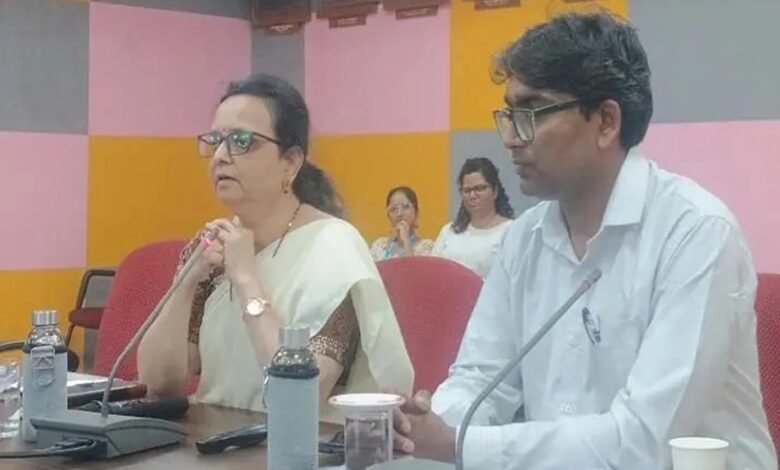
NIN Director Dr Bharati Kulkarni said the research marks a shift towards integrative healthcare. “We are currently evaluating its efficacy through clinical trials to translate these findings into accessible products for human use,” she said.
Dr Kulkarni and other senior scientists also interacted with Delhi-based media personnel who visited the institute on March 23.
NIN is leading the “Let’s Fix Our Food” (LFOF) initiative with UNICEF India and the Public Health Foundation of India to address rising adolescent obesity.
Researchers warned that aggressive marketing of high fat, sugar, and salt foods and easy access to ultra-processed products are putting Indian youth at risk, calling for stronger regulation and continued research.