In the first election following the Gen Z movement, the Bangladesh Nationalist Party wins handily.
News Mania Desk /Piyal Chatterjee/ 13th February 2026
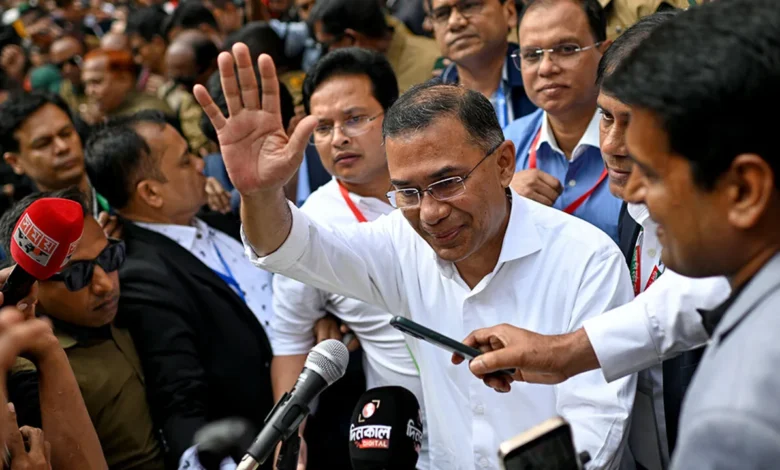
Eighteen months after the nation’s longest-serving prime leader, Sheikh Hasina, was overthrown by widespread protests, the center-right Bangladesh Nationalist Party (BNP) has won a resounding majority in parliament.
In the historic general election, the party won over two-thirds of the seats, followed by Jamaat, the nation’s principal Islamist party. The Awami League, led by Hasina, was prohibited from participating. After 15 years of autocratic rule under Hasina, BNP leader Tarique Rahman, who is expected to become the next prime minister, confronts enormous obstacles in reviving democracy and reviving the economy.
Voters also backed sweeping democratic reforms in a referendum held alongside the election. “I am grateful for the love you have shown me,” Tarique Raman told well-wishers in Dhaka as he attended Friday prayers. His party has said there would be no victory procession.He was elected to parliament for the first time as one of 212 successful BNP candidates. Voter turnout was reported by the Election Commission to be 59.44%.
For a man who lived in self-imposed exile in London for 17 years, it is a significant shift in circumstances. Following the death of his mother, former Prime Minister Khaleda Zia, in December, he assumed leadership of his party.Tarique Rahman pledged to restore democracy during his campaign. The new government’s main challenges are reviving the nation’s economy, controlling rising food costs, and providing jobs for Bangladesh’s enormously young population.Another top priority is mending frayed relations with India, a massive neighbor.
Within hours of his win, Rahman had received a call from India’s Prime Minister Narendra Modi who congratulated him on a “remarkable victory”.
“As two close neighbours with deep-rooted historical and cultural ties, I reaffirmed India’s continued commitment to the peace, progress, and prosperity of both our peoples,” Modi wrote on X. When the BNP was last in power in the early 2000s, it was accused of human rights abuses and criticized for corruption, despite its claims to be the leader of change in the nation.
With one of the country’s two major parties earning such a significant victory, Thursday’s democratic exercise is a time of great promise and risk for the nation. Stronger presidential powers, a directly elected upper house of parliament, term limitations for prime ministers, and greater judicial independence are some of the proposed constitutional changes. The charter also calls for greater representation of women in parliament, but there is still a long way to go based on the small number of successful female candidates in the election.