
PM Modi Addresses Energy Concerns Amid West Asia Conflict
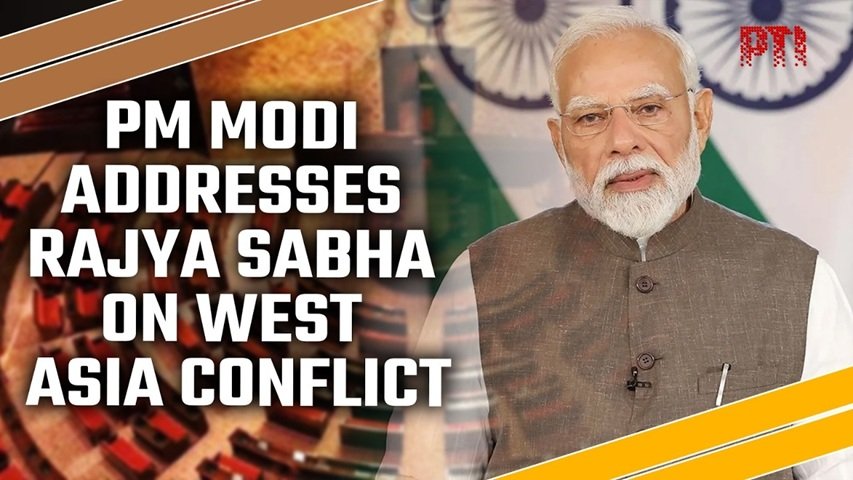
Prime Minister Narendra Modi addressed the Rajya Sabha, highlighting the impact of the ongoing West Asia conflict on India’s economy, particularly the emerging energy crisis.He emphasized that rising geopolitical tensions in the region have disrupted global energy supplies, leading to concerns over fuel availability and price stability. The Prime Minister assured the House that the government remains vigilant and proactive in safeguarding national interests, including energy security and economic stability.He further stated that India is closely monitoring developments and taking necessary steps to diversify energy sources, strengthen strategic reserves, and ensure minimal disruption to the country’s growth trajectory.The address underscored the government’s commitment to maintaining stability while navigating global uncertainties and protecting the nation’s economic interests.
CPI(M) Faces Internal Concerns Over Alliance and Leadership Interactions
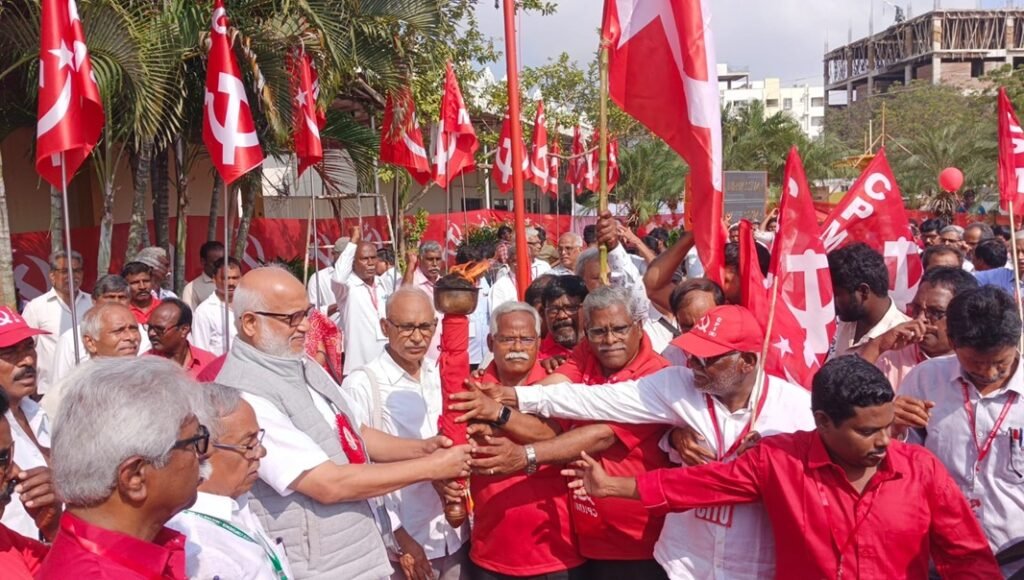
The Communist Party of India (Marxist) (CPI(M)) is reportedly grappling with internal concerns regarding its interactions with certain controversial leaders, raising questions about ideological consistency and alliance stability.Sources indicate that these developments have triggered debates within the party, with some members expressing apprehension over the potential impact on its public image and long-standing political positioning. The issue has also sparked discussions on maintaining unity within broader opposition alliances, where differing approaches and associations could influence cohesion.Political analysts suggest that such internal dynamics may pose challenges for the CPI(M) as it navigates complex electoral landscapes and coalition politics. The party leadership is expected to address these concerns while balancing strategic partnerships and core ideological principles.
Controversy Surrounding the Transgender Persons Act in India
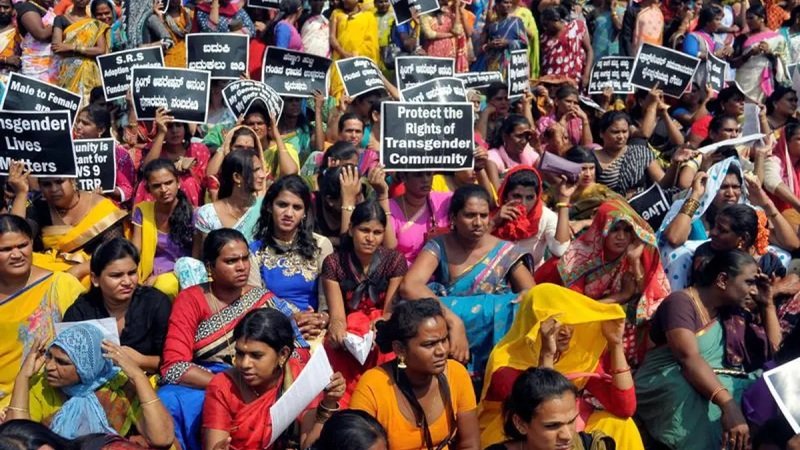
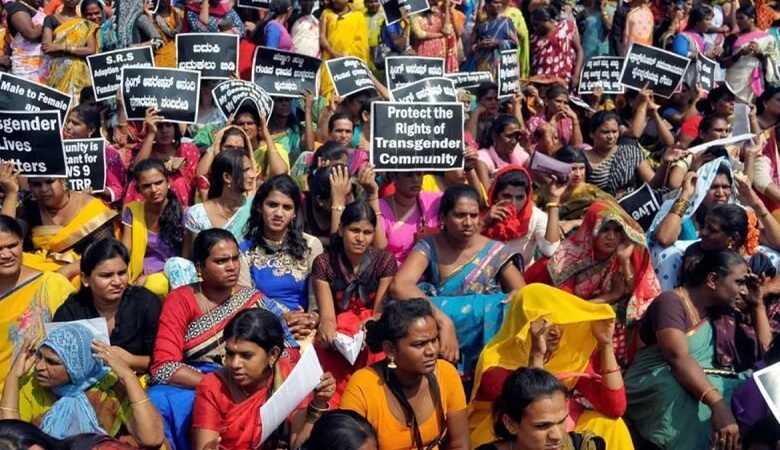
The Transgender Persons (Protection of Rights) Act, 2019 has been at the center of widespread debate in India, with activists and members of the transgender community raising serious concerns about its provisions. A major point of contention is the requirement for transgender individuals to obtain official certification from district authorities for legal recognition, which many argue contradicts the right to self-identification upheld by the Supreme Court in NALSA v. Union of India (2014).Critics have also highlighted the perceived inadequacy of legal protections, noting that penalties for crimes against transgender persons are lower compared to those for similar offenses against others. Additionally, the absence of clear provisions for reservations in education and employment has raised questions about the Act’s effectiveness in promoting social inclusion.Concerns have further been expressed regarding provisions that encourage family-based rehabilitation, which some fear may compromise personal freedom. While the government maintains that the law aims to safeguard rights and prevent discrimination, the ongoing debate reflects the need for a more inclusive and community-driven approach to ensure dignity, equality, and justice for transgender persons in India.
Ladakh Activism Brings Unresolved Issues Back into Focus
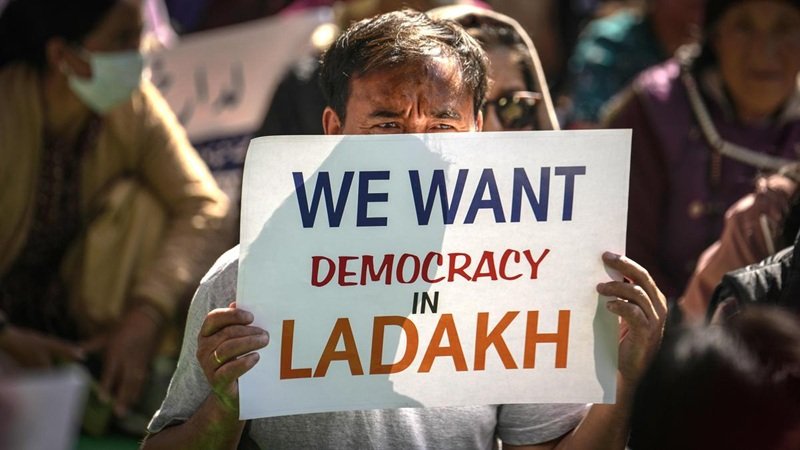
Recent political discourse has once again drawn attention to ongoing and unresolved concerns in Ladakh, with local activism playing a central role in highlighting key demands and grievances.Activists in the region have been vocal about issues such as greater constitutional safeguards, environmental protection, and representation in governance. Their efforts have gained national attention, sparking debates on development policies and the balance between infrastructure growth and ecological preservation in the fragile Himalayan region.The government, while acknowledging these concerns, has emphasized its commitment to development and security in Ladakh, citing ongoing projects and administrative measures aimed at improving connectivity and livelihoods. However, critics argue that more dialogue and concrete policy actions are needed to address local aspirations effectively.
Political Buzz Grows Over High-Profile Inductions in West Bengal

Political circles are abuzz with speculation over potential high-profile inductions into the Bharatiya Janata Party (BJP), signaling possible shifts in the political landscape of West Bengal.Reports suggest that tennis legend Leander Paes may join the BJP following his recent meeting with party leader Nitin Nabin. While no official confirmation has been made, the development has sparked widespread interest given Paes’ national stature and public influence.In another significant move, the mother of the RG Kar victim is reportedly set to make her political debut on a BJP ticket from Panihati. This development is being closely watched, as it brings a sensitive and high-profile issue into the electoral arena.Political analysts believe such inductions could have a notable impact on voter sentiment, particularly as parties seek to strengthen their outreach through influential and emotionally resonant figures ahead of upcoming elections.
Voter List Glitches Spark Political Row in West Bengal
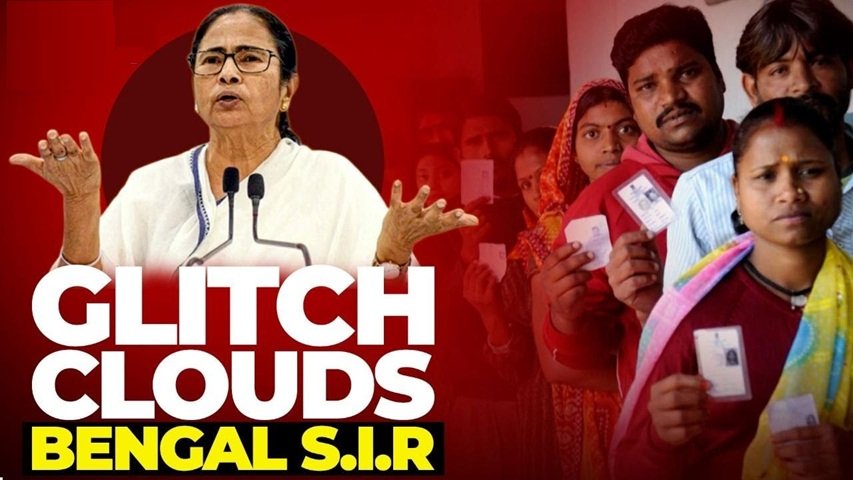
The publication of the first supplementary voter list on March 24 has triggered controversy in West Bengal, following reports of technical glitches and server crashes during the process.According to pro-All India Trinamool Congress (TMC) sources, nearly 60 lakh voter names are currently “up in the air,” raising concerns about transparency and accuracy ahead of crucial elections. Reports also suggest that several sitting MLAs and prospective candidates have found their names either missing or marked under adjudication, intensifying the political debate.The situation has led to allegations of administrative lapses, with opposition parties demanding immediate clarification and corrective measures. Concerns over voter disenfranchisement and electoral integrity have also come to the forefront.Authorities are expected to address the technical issues and review discrepancies to ensure that all eligible voters are included before the final electoral roll is published.