India Convenes All-Party Meet on West Asia Crisis Amid Political Divisions
News Mania Desk/ Piyal Chatterjee/25th March 2026

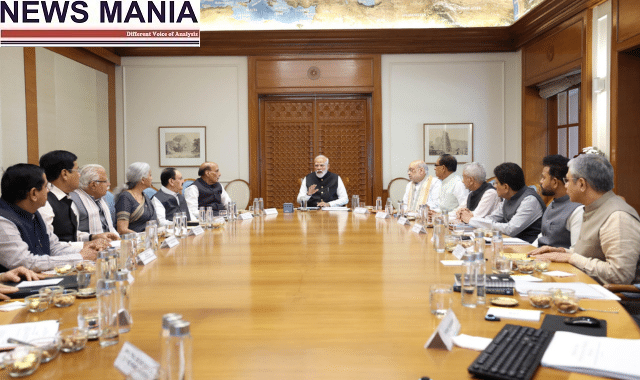
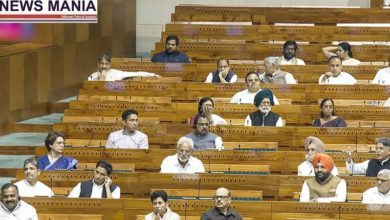
The Centre on Wednesday held a crucial all-party meeting to brief political leaders on the rapidly escalating conflict in West Asia, amid concerns over its potential impact on India’s economy and energy security. The meeting, chaired by Rajnath Singh, was attended by senior ministers including Amit Shah and S. Jaishankar, who provided a detailed overview of the evolving situation.
The government’s objective was to ensure that all political parties remain informed and to foster a unified national response as tensions in the region intensify, particularly involving Iran and Western powers. Officials highlighted the potential consequences for India, including disruptions in oil supply, rising fuel prices, and broader economic challenges.
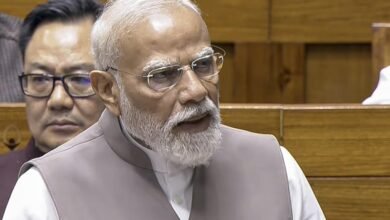
However, the meeting also exposed sharp political differences. Congress leader Rahul Gandhi skipped the session, citing prior commitments, while also criticising Prime Minister Narendra Modi over India’s foreign policy stance. He alleged that the government’s approach appeared aligned with Western interests, raising concerns about India’s strategic autonomy.
Congress president Mallikarjun Kharge called for a comprehensive discussion in Parliament rather than a closed-door briefing, while leaders from other opposition parties also questioned the format of the meeting. Sanjay Raut criticised the Prime Minister for maintaining silence on the issue, and some leaders argued that India’s current predicament was a result of flawed diplomatic decisions.
On the other hand, members of the ruling Bharatiya Janata Party urged political unity, stressing that the crisis is global in nature and requires a coordinated response beyond partisan lines. The government reiterated the importance of a “Team India” approach to navigate the geopolitical and economic challenges arising from the conflict.
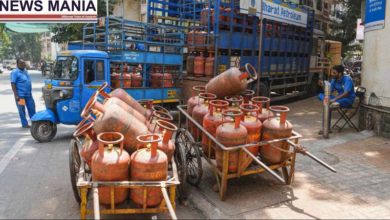
The West Asia crisis has triggered global uncertainty, particularly in energy markets, with crude oil prices witnessing volatility. For India, which relies heavily on imports, the situation could translate into inflationary pressures and strain on public finances.
As tensions continue to mount, the all-party meeting underscores both the urgency of the situation and the challenges of building political consensus during times of international crisis.