Israel Expands Strikes to Tehran and Lebanon as Regional Conflict Intensifies
News Mania Desk / Piyal Chatterjee/ 17th March 2026

Israel has launched a fresh series of coordinated airstrikes targeting Iran’s capital, Tehran, and multiple locations in Lebanon, marking a significant escalation in the ongoing conflict that has increasingly drawn in regional powers. According to reports, Israeli forces carried out precision strikes on key military and security installations in Tehran, believed to be linked to Iran’s strategic command and defense infrastructure. The strikes are part of a broader campaign aimed at weakening Iran’s operational capabilities and curbing its influence across the Middle East.
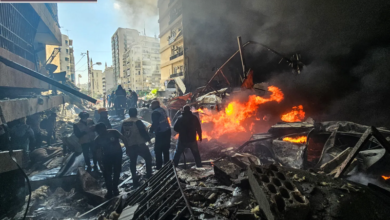
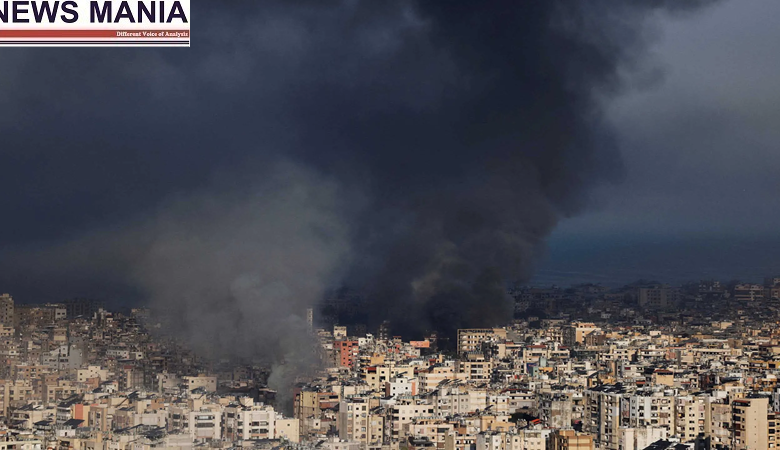
Simultaneously, Israeli warplanes targeted positions in Lebanon associated with Hezbollah, the Iran-backed militant group. Areas in and around Beirut were hit, with explosions reported in several locations. The strikes come in response to continued rocket fire from Hezbollah into Israeli territory, further intensifying hostilities along the northern border.
The current escalation follows weeks of mounting tensions between Israel and Iran, which have now spilled over into a wider regional confrontation. Israeli officials have stated that the operations are intended to dismantle militant networks and neutralize threats posed by Iran and its allies. However, the scale and reach of the attacks have raised fears of a prolonged and broader conflict.
Casualties continue to mount as the violence spreads. Reports indicate significant loss of life in both Iran and Lebanon, along with extensive damage to infrastructure. Civilian areas have also been affected, raising concerns over the humanitarian impact of the strikes. In Lebanon, large numbers of people have been displaced, further straining already fragile conditions in the country.
In response to the Israeli offensive, Iran has reportedly launched missile and drone attacks targeting Israeli positions and interests in the region. The conflict has also begun to affect neighboring Gulf countries, increasing the risk of a wider war that could destabilize the entire Middle East.
The intensifying conflict is already having global repercussions. Concerns over disruptions to key oil supply routes, particularly through the Strait of Hormuz, have led to volatility in energy markets. International observers warn that continued escalation could have serious economic consequences worldwide.
Meanwhile, the United Nations and other international bodies have called for restraint, highlighting the growing humanitarian crisis and the urgent need for diplomatic intervention. Aid agencies have warned of worsening conditions on the ground, especially in Lebanon, where displacement and shortages of essential supplies are becoming increasingly severe.