Jammu & Kashmir Launches Historic Archaeological Drive to Unearth Forgotten Buddhist Past
News Mania Desk / Piyal Chatterjee / 12th July 2025

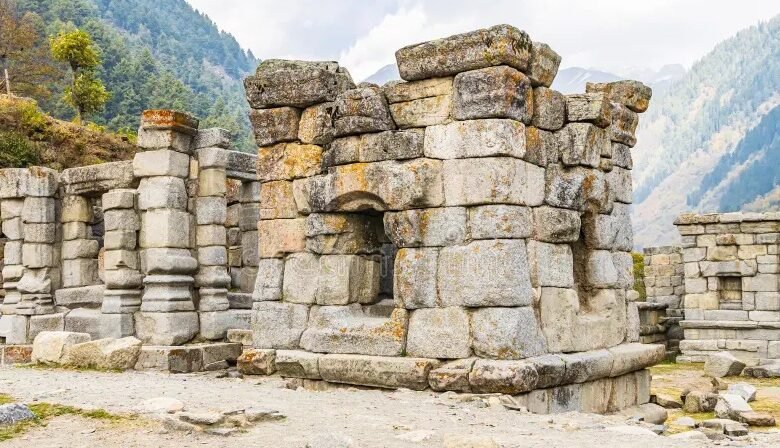
In a major cultural milestone, Jammu & Kashmir has embarked on its first-ever convergent archaeological mission, aimed at rediscovering and reviving the region’s long-lost Buddhist heritage. This landmark initiative is centered in Zehanpora, a village in Baramulla district, where archaeologists have uncovered compelling evidence pointing to an ancient Buddhist settlement, complete with stupas and a hall reflecting the architectural styles of the Kushan period.
The mission gained momentum following the findings of archaeologist Mohammad Ajmal Shah, who used drone surveys and systematic fieldwork to identify stupa mounds that had gone unnoticed for centuries. His presentation at the Vitasta 2024 conference caught the attention of the Directorate of Archives, Archaeology, and Museums, which soon approved the excavation. Officials hope this initiative will not only uncover hidden chapters of Kashmir’s Buddhist past but also integrate them into the wider narrative of the region’s cultural history.
Unlike earlier, isolated digs, this convergent mission brings together experts from different disciplines—including archaeology, history, architecture, and conservation—to ensure discoveries are preserved and shared with the public. Authorities see this collaborative model as essential for protecting newly discovered sites from damage and for creating educational opportunities that could transform how locals and visitors perceive the valley’s heritage.
The broader effort fits into Jammu & Kashmir’s renewed cultural preservation strategy. Since 2019, the administration has launched over 30 projects to restore ancient temples, shrines, forts, and historic buildings under the “Revival, Restoration, Preservation and Maintenance of Ancient Cultural Heritage” program. In addition, the Archaeological Survey of India currently safeguards 56 monuments in the Union Territory, with sites like Verinag and Parihaspora under consideration for UNESCO World Heritage status.
Historians note that Kashmir once played a key role in Buddhist art and scholarship, serving as a crossroads for ideas that flowed from Central Asia into the Indian subcontinent. Unearthing relics from this period could not only deepen academic understanding but also help local communities reconnect with a part of their history often overshadowed by later eras.In the words of Shah, this mission is about “writing back into history what was almost forgotten.” For Jammu & Kashmir, it is an ambitious step toward honoring a legacy that shaped the valley centuries before modern borders and faiths defined it.