
Lok Sabha Passes Central Excise (Amendment) Bill, 2025 to Revise Tax Structure on Tobacco and Related Products
Bornali Biswas - Editor in Chief New Delhi / 3 December 2025

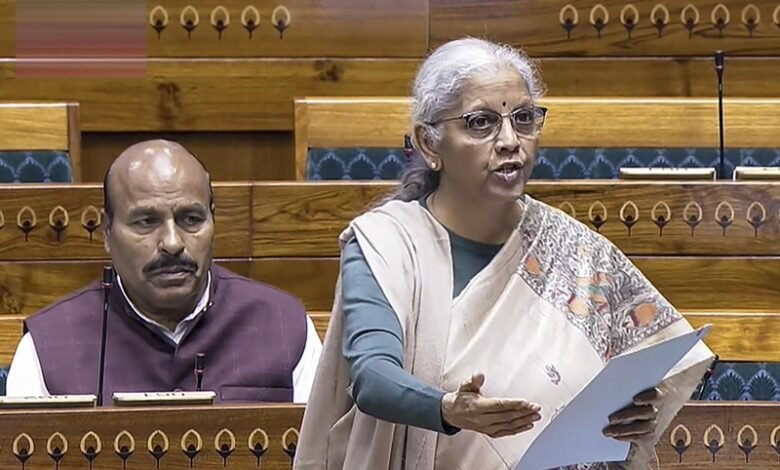
The Lok Sabha today passed the Central Excise (Amendment) Bill, 2025 by voice vote during the ongoing Winter Session of Parliament. The Bill marks a major restructuring of the tax regime for tobacco and other “sin goods,” aiming to replace the outgoing GST Compensation Cess with a comprehensive central excise duty framework.
Key Provisions of the Bill
-
The new amendment introduces central excise duties on all major tobacco-related products, including cigarettes, cigars, cheroots, hookah tobacco, chewing tobacco, zarda, and scented tobacco.
-
The excise duty on cigarettes will be imposed based on length and type, ranging from ₹5,000 to ₹11,000 per 1,000 sticks.
-
Unmanufactured tobacco will attract a 60–70% excise duty, while nicotine-based or inhalation tobacco products will be taxed at 100%.
-
The duties will apply alongside the 40% GST slab for sin goods, ensuring that the overall tax burden remains intact even after the phase-out of the compensation cess.
-
Revenue collected through these excise duties will form part of the divisible pool, thereby benefiting both the Centre and the States.
Purpose and Rational
The GST Compensation Cess, introduced in 2017 to support states during the transition to GST, is due to be discontinued after fulfilling its financial obligations. The new Bill ensures that tax incidence on tobacco products does not decrease as a result of the cess phase-out.
The amendment seeks to:
-
Maintain current tax levels on harmful and addictive products
-
Prevent unintended price reduction of tobacco items
-
Protect public health by keeping consumption-deterrent pricing intact
-
Secure continued revenue generation for both central and state governments
Expected Impact
-
On Consumers: Prices of tobacco products are expected to either remain high or increase, contributing to discouraging consumption.
-
On Public Health: The move aligns with national health objectives by keeping tobacco products less affordable.
-
On States: Excise revenue sharing ensures that states continue receiving steady income even after the end of the GST compensation period.
-
On Industry: Manufacturers may adjust pricing strategies as excise replaces cess, but the overall tax burden remains stable or higher.
Government’s Position
The Finance Ministry clarified that this amendment does not impose additional taxation but restructures the levy to ensure continuity once the compensation cess ends. The government emphasised that the objective is to protect public revenue and maintain strong deterrents against the use of tobacco and related products.