Mojtaba Khamenei’s Rise: A New Chapter in Iran’s Strategic Alignment with Russia and China
News Mania Desk / 9th March 2026
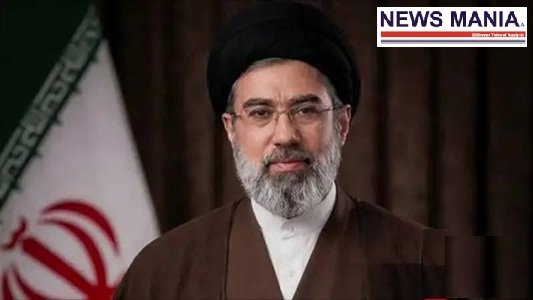
Iran’s decision to appoint Mojtaba Khamenei as the new Supreme Leader after the death of his father Ali Khamenei signals that hardline factions remain firmly in control of the Islamic Republic. Analysts believe this leadership transition could push Tehran closer to Russia and China, strengthening an emerging geopolitical alignment that often challenges Western influence.
1. Shared Opposition to the United States and Western Pressure
Iran, Russia, and China increasingly share a strategic rivalry with the United States and its allies. Mojtaba Khamenei is widely viewed as a hardliner who opposes engagement with the West and supports a confrontational stance against Washington.
Because Russia and China also face Western sanctions and geopolitical rivalry with the U.S., Tehran under Mojtaba may deepen cooperation with them as part of a counter-Western bloc.
2. Sanctions and Economic Survival
Iran has faced decades of Western sanctions, which restrict its access to global markets. In response, Tehran has increasingly relied on China for trade and energy purchases and on Russia for economic and military cooperation. A hardline leadership is likely to continue this strategy rather than pursue rapprochement with Western countries.
3. Military and Security Cooperation
Iran already cooperates with Russia in areas such as defense technology, drones, and regional security coordination, while China has expanded security and technology partnerships with Tehran. With Mojtaba Khamenei’s strong ties to Iran’s Islamic Revolutionary Guard Corps (IRGC)—the country’s powerful military force—these military links could deepen further.
4. Support During Regional Conflicts
Iran’s leadership change comes amid escalating conflict in the Middle East involving the U.S. and Israel.
In such a volatile environment, Tehran is likely to seek diplomatic backing from Russia and China at international forums such as the UN Security Council.
5. China’s Early Response Signals Support
China has already described the leadership change as Iran’s internal matter and emphasized respect for Iran’s sovereignty, indicating Beijing’s willingness to maintain strong relations with the new leadership.
In essence: Mojtaba Khamenei’s rise reinforces Iran’s hardline direction, making it more likely that Tehran will strengthen strategic, economic, and military ties with Russia and China as part of a broader alignment against Western pressure.