‘Movie-Making Is a High-Risk Business’: Supreme Court Quashes Case Against Film Producer
News Mania Desk /Piyal Chatterjee/ 19th March 2026

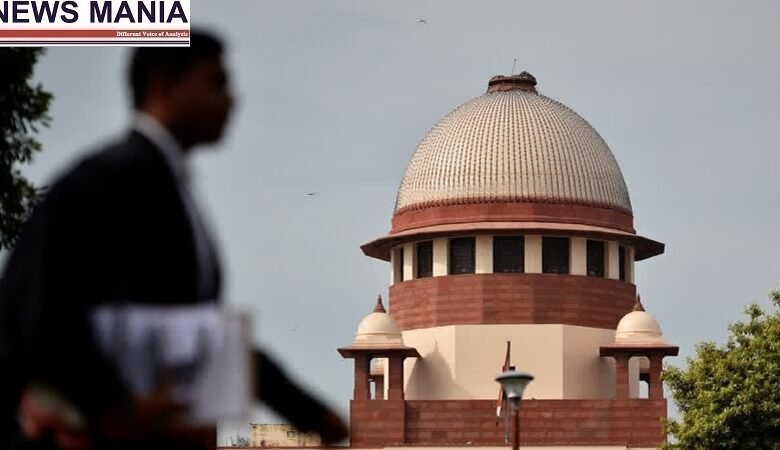
The Supreme Court of India has quashed criminal proceedings against a film producer, observing that the process of making movies is inherently uncertain and cannot be subjected to criminal prosecution merely due to financial or contractual disputes.
In its ruling, the apex court underscored that filmmaking involves significant investment, unpredictability, and market risks. It noted that delays, cost overruns, or disputes between parties are common in the industry and do not automatically amount to criminal wrongdoing. The bench remarked that “movie-making is a high-risk business,” emphasising that such ventures often depend on multiple variables beyond the producer’s control.
The case had arisen from allegations that the producer failed to fulfil certain commitments related to the film’s production and release. A criminal complaint was subsequently filed, accusing the producer of cheating and other offences. However, the Supreme Court found that the dispute was essentially civil in nature, stemming from contractual disagreements rather than any deliberate criminal intent. The court reiterated the legal principle that criminal law should not be used as a tool to settle business or commercial disputes. It observed that invoking criminal charges in such cases could lead to unnecessary harassment and misuse of the legal system. Instead, such matters should be resolved through appropriate civil remedies, including arbitration or civil litigation.
Highlighting the broader implications, the court warned against the growing tendency to criminalise business failures, particularly in industries like cinema where outcomes are uncertain. It stressed that producers take financial risks with no guarantee of returns, and setbacks or disputes should not be equated with fraud unless clear evidence of dishonest intent is established from the outset.
The ruling is expected to provide relief to stakeholders in the film industry, who often face legal challenges over project delays, funding issues, and contractual disagreements. By drawing a clear distinction between civil liability and criminal culpability, the court has reinforced safeguards against the misuse of criminal proceedings in commercial matters.