
Novartis Ramps Up U.S. Stockpiles to Tackle Potential Trump Tariffs
News Mania / Piyal Chatterjee / 20th September 2025

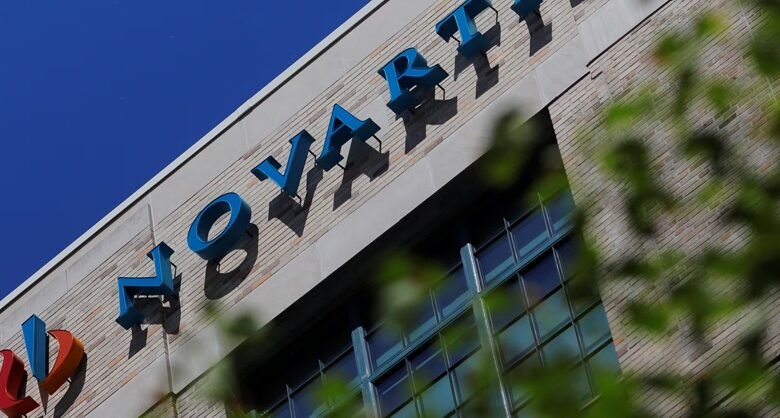
Swiss drugmaker Novartis has built up significant pharmaceutical reserves in the United States to cushion the impact of potential tariffs under former U.S. President Donald Trump’s trade policies. Chief Executive Officer Vas Narasimhan said the company’s stockpiles are sufficient to cover demand until mid-2026, giving it time to adapt if tariffs are imposed on the sector.
Currently, pharmaceuticals are exempt from the 39% tariffs levied on Swiss goods, but the industry is under a Section 232 investigation that could result in fresh import duties. In addition, a July trade agreement between the U.S. and the European Union set a 15% tariff on medicines, excluding certain generic drugs, adding further uncertainty for multinational drugmakers.
To mitigate risks, Novartis has announced a $23 billion investment program in the United States aimed at gradually localizing production. The company plans to start final filling and packaging of key drugs domestically within the next two years, though shifting full-scale production may take three to four years. Narasimhan stressed that these steps, along with existing stockpiles, should help Novartis absorb the impact of any new duties.
However, the scale of potential tariffs remains unclear. Narasimhan noted that duties could theoretically rise as high as 250%, although such extreme levels are considered unlikely. Even so, the company is preparing for multiple scenarios as it works to secure long-term access to the world’s largest pharmaceutical market.
Novartis’s approach reflects broader industry concerns over trade tensions and protectionist policies. While stockpiling provides a temporary safeguard, the company’s long-term strategy is to deepen its U.S. manufacturing footprint to ensure both supply stability and compliance with evolving trade rules.
By adopting a two-pronged strategy of stockpiling and investment, Novartis aims to shield its business while maintaining steady access for American patients.