Pakistan Considers Work-From-Home, Online Classes Amid Fears of Oil Disruption from Iran Conflict
News Mania Desk / Piyal Chatterjee/ 5th March 2026

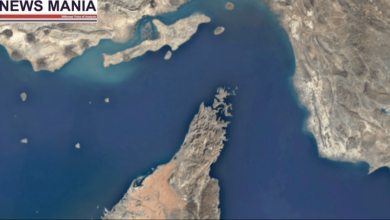
Authorities in Pakistan are considering a series of emergency measures, including work-from-home policies and online classes, as concerns grow over potential disruptions to the country’s oil supply due to the escalating conflict involving Iran. The government is reviewing steps aimed at reducing fuel consumption as uncertainty surrounds energy shipments passing through the strategically important Strait of Hormuz.
Officials in Islamabad are closely monitoring the situation in the Middle East, where tensions have intensified in recent days. Since a significant portion of Pakistan’s crude oil imports travels through the Strait of Hormuz, any disruption in shipping through the waterway could severely impact the country’s energy supplies. The strait is considered one of the world’s most crucial oil transit routes, carrying a large share of global petroleum exports.
To prepare for possible supply challenges, the government is reportedly exploring temporary measures designed to reduce fuel consumption nationwide. Among the proposals under discussion are allowing government offices and private companies to adopt remote working arrangements for several days each week. Authorities are also considering shifting schools and universities to virtual classes to minimise transportation-related fuel usage.
These measures resemble strategies implemented during the COVID-19 pandemic, when remote work and digital education became widespread to limit movement. Officials believe that similar steps could help manage fuel demand if the regional crisis continues to affect oil supply routes.
Energy experts have warned that Pakistan’s heavy dependence on imported fuel makes it particularly vulnerable to geopolitical disruptions. Any prolonged instability in the Gulf region could lead to higher oil prices, delays in shipments and potential shortages. Such developments could have a ripple effect across Pakistan’s economy, affecting transportation, industrial production and electricity generation.
In addition to conservation measures, Pakistan is also exploring alternative supply arrangements to ensure continued access to energy resources. Authorities are reportedly discussing options with partners in the Gulf region, including Saudi Arabia, to secure oil deliveries through routes that bypass the Strait of Hormuz if necessary. One possibility under consideration involves shipments routed through ports along the Red Sea, which could help maintain supplies in case of maritime disruptions.
Economists caution that rising fuel prices and shipping uncertainties could place further strain on Pakistan’s already fragile economy. Increased energy costs could impact businesses, raise transportation expenses and contribute to inflationary pressures. The developments highlight how geopolitical tensions in the Middle East can have far-reaching effects on countries that rely heavily on imported energy. For Pakistan, ensuring stable oil supplies has become a critical priority as authorities attempt to prepare for possible disruptions stemming from the ongoing regional conflict.