
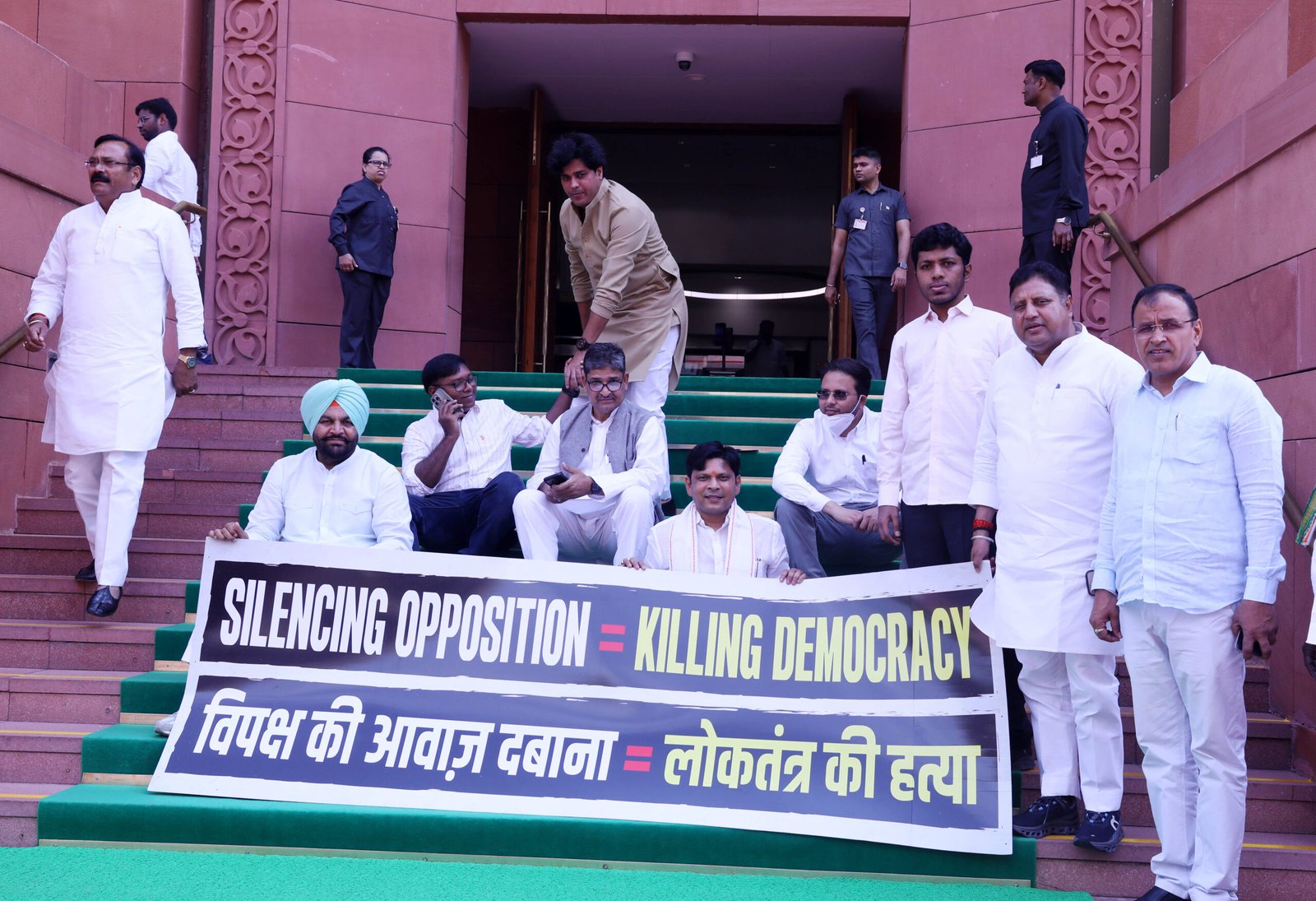
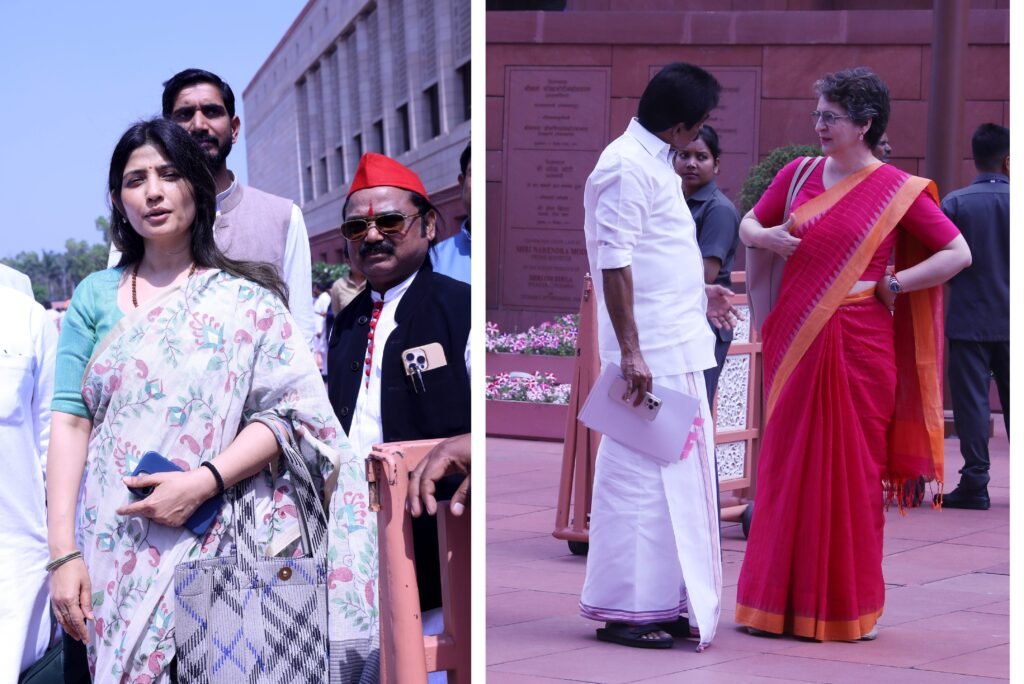
The second half of the ongoing Budget Session of the Indian Parliament has witnessed strong demonstrations by opposition parties inside the Lok Sabha, highlighting the growing intensity of political debate in the country’s legislative arena. Members from several opposition parties raised slogans, staged protests, and demanded discussions on a range of political and policy issues they believe require urgent attention.
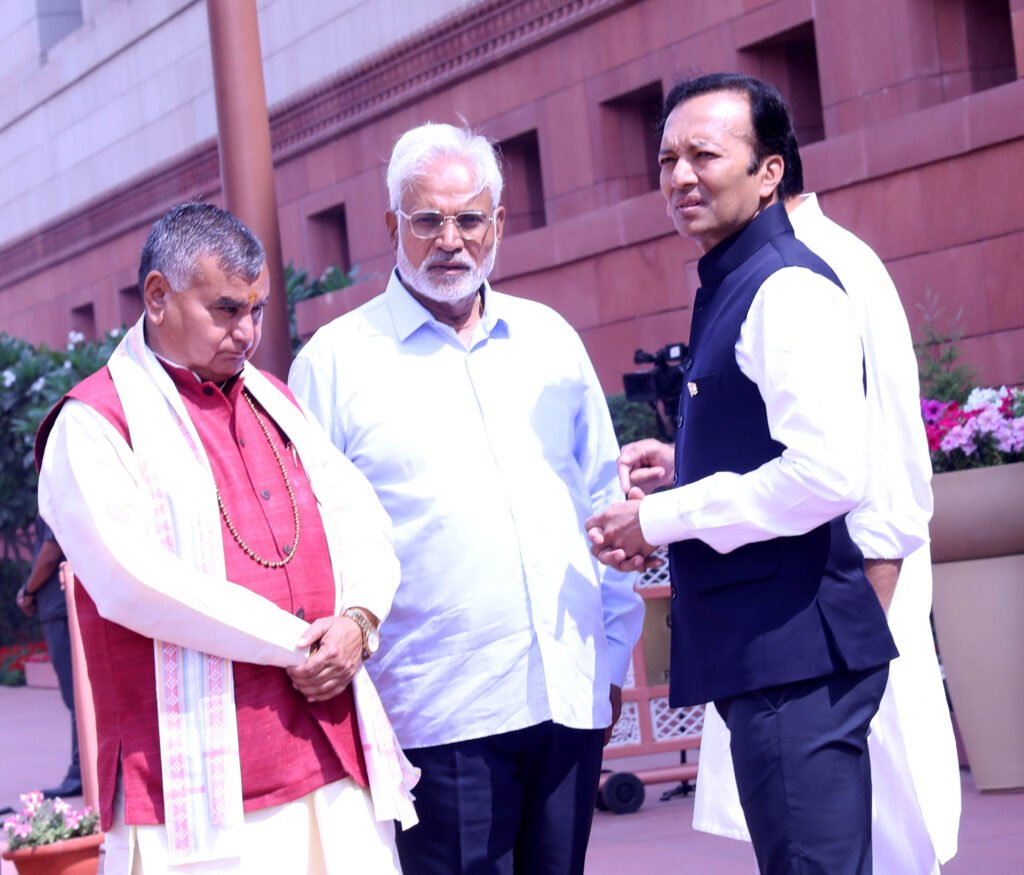
The demonstrations briefly disrupted parliamentary proceedings, forcing adjournments during parts of the day before the House resumed normal functioning later. Parliamentary disruptions during high-stakes sessions are not uncommon in India’s vibrant democracy, particularly when opposition parties seek to highlight issues they feel are not receiving adequate attention from the government.
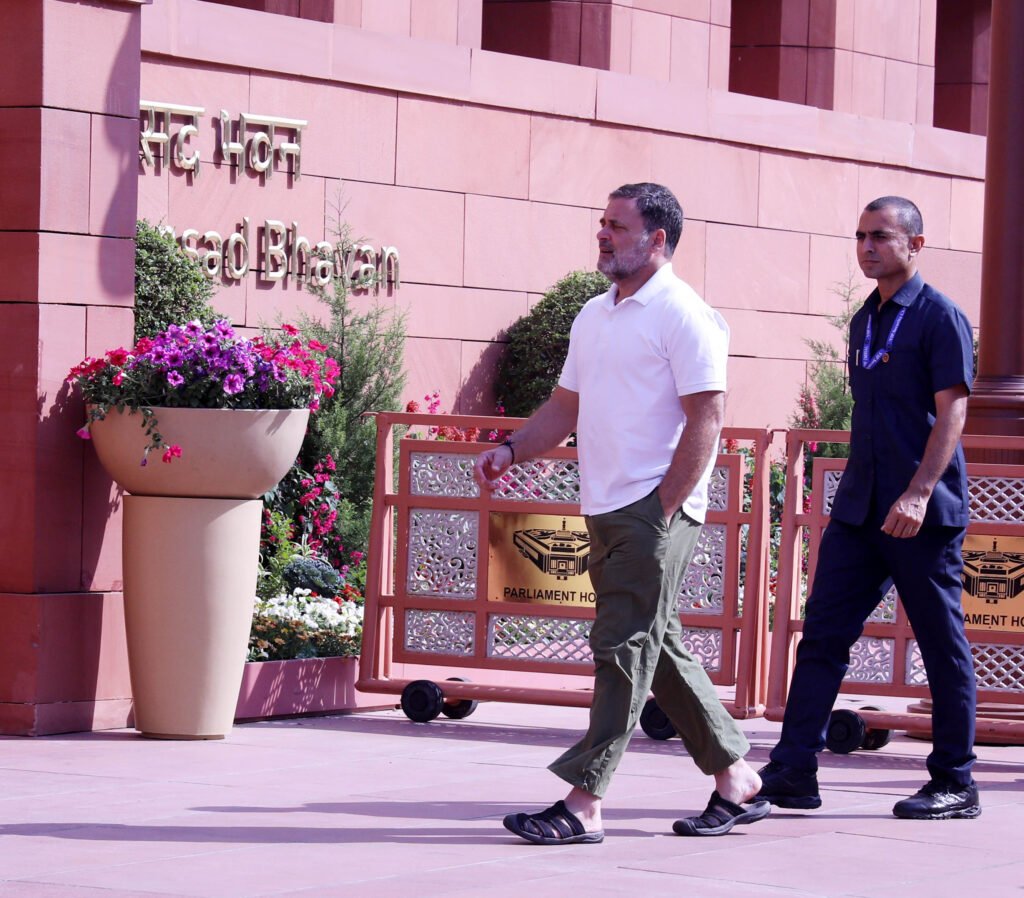
Opposition leaders stated that the protests were aimed at drawing attention to key national concerns and holding the government accountable on matters of public importance. According to them, raising slogans and staging demonstrations within the House is sometimes necessary to ensure that urgent issues are debated openly in Parliament.
The ongoing Budget Session is one of the most important legislative periods of the year, as it involves discussions on government spending, policy priorities, and key legislative proposals. The session provides a platform for members of Parliament to scrutinize government policies, debate economic strategies, and represent the concerns of their constituencies.
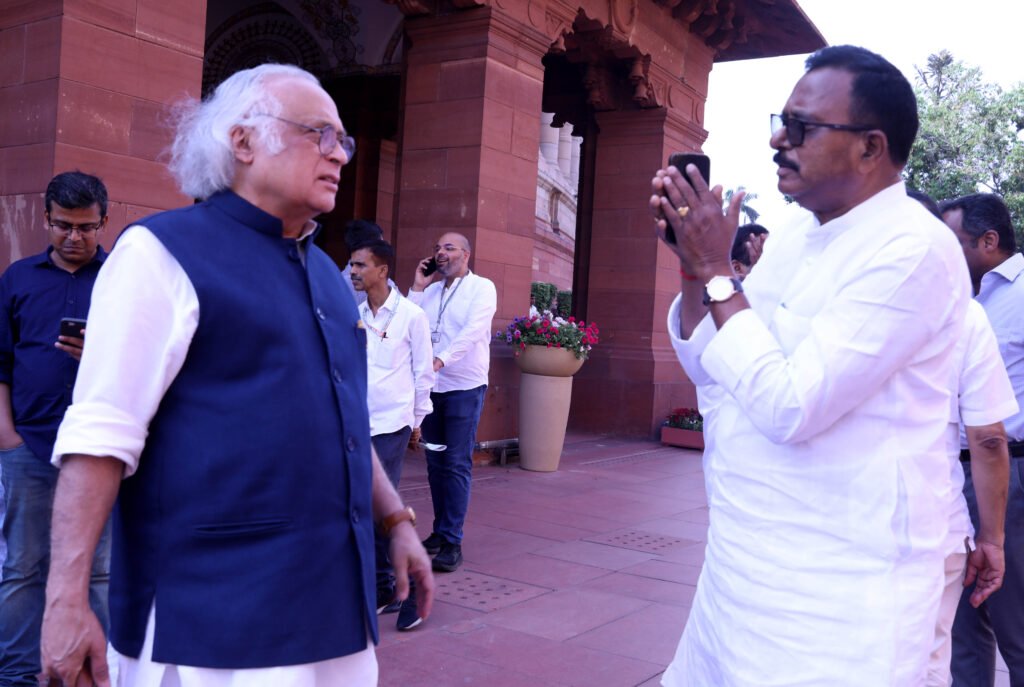
While the protests temporarily disrupted proceedings, parliamentary business eventually continued. Members returned to the House to participate in scheduled debates, question sessions, and legislative discussions. This pattern—where disruptions are followed by resumed discussions—has often characterized parliamentary functioning in recent years.
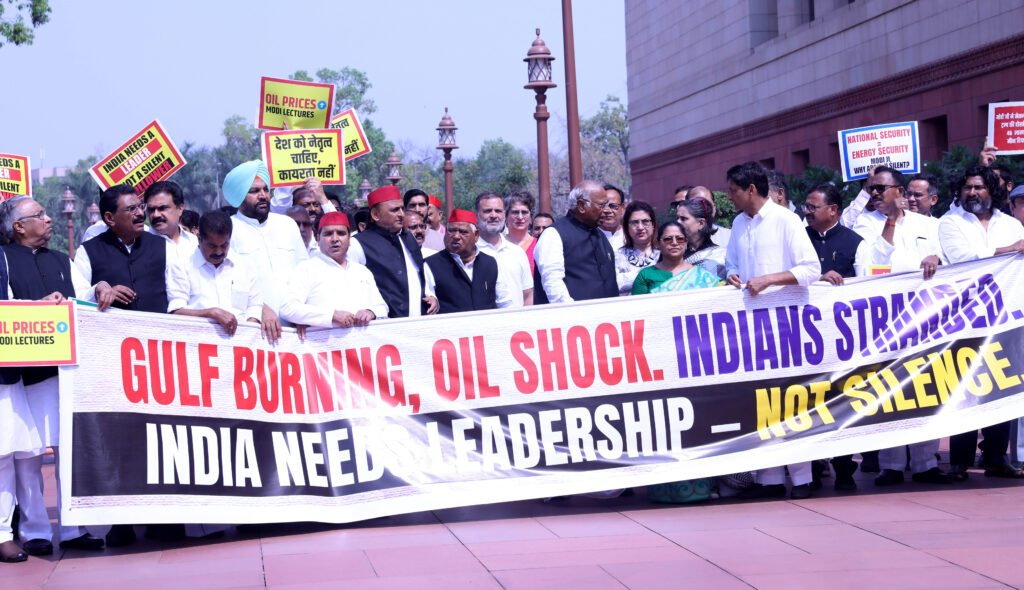
Observers note that such confrontations reflect the dynamic nature of parliamentary democracy in India. The government typically focuses on advancing legislative and policy agendas, while opposition parties emphasize their role in questioning decisions and ensuring transparency. This interplay, though sometimes contentious, forms a crucial part of democratic governance.
At the center of these developments is the broader political atmosphere surrounding the session. The Budget Session often becomes a focal point for debates on economic policy, governance, and national priorities. Members from both sides of the political spectrum use the opportunity to present their views on issues ranging from fiscal policy and development programs to social welfare initiatives.
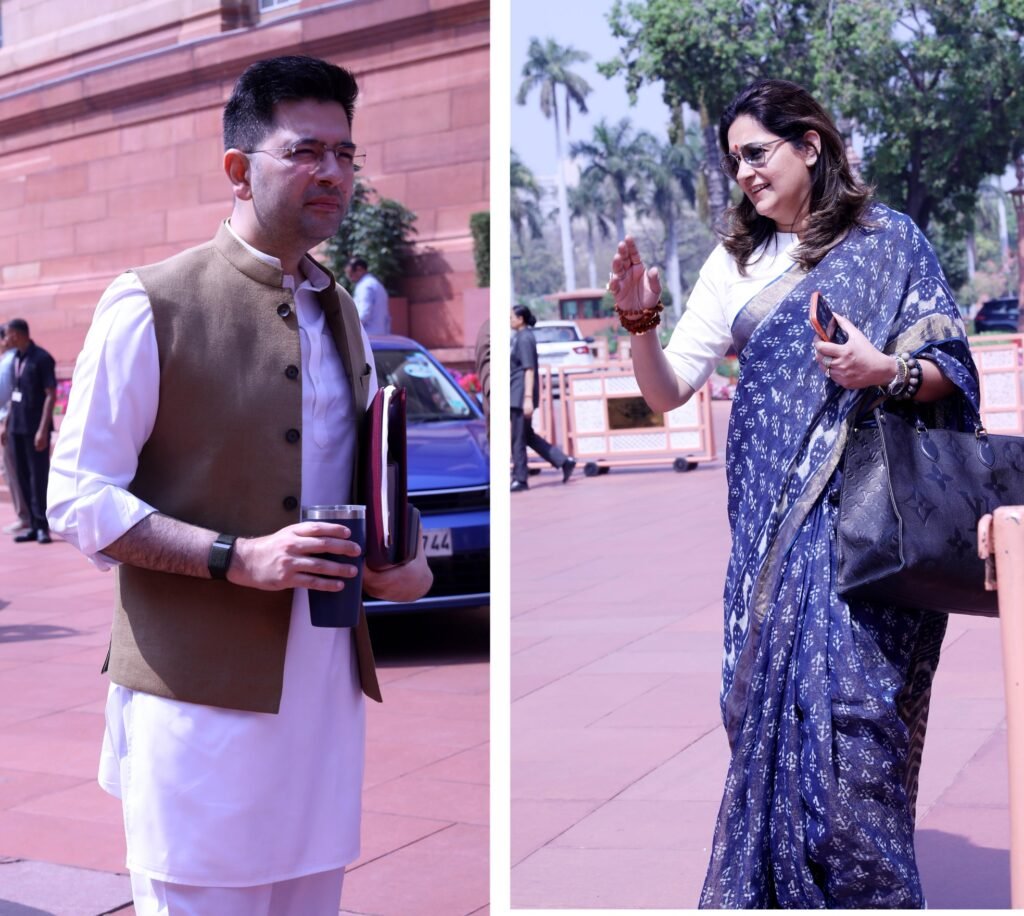
The protests also underline the challenges faced by legislative institutions in balancing robust political debate with the need for uninterrupted parliamentary functioning. While demonstrations are a legitimate form of political expression within democratic systems, frequent disruptions can sometimes affect the smooth conduct of legislative work.
Parliamentary experts often emphasize the importance of dialogue and negotiation between the treasury benches and opposition parties to ensure that discussions continue without prolonged interruptions. When consensus-building mechanisms work effectively, Parliament can address contentious issues through structured debates rather than disruptions.
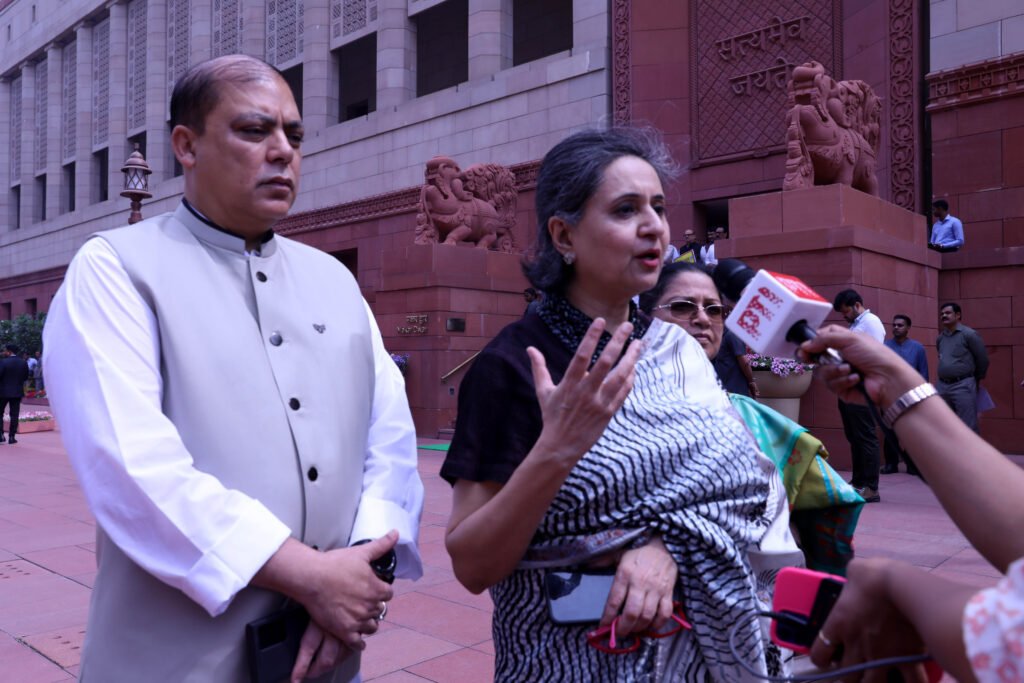
Despite the tense atmosphere, the continuation of parliamentary business demonstrates the resilience of India’s legislative system. The Parliament of India remains the primary forum where national policies are debated and laws are shaped through democratic processes.
As the Budget Session progresses, both the government and opposition are expected to continue engaging in intense debates over policy, governance, and economic priorities. Such exchanges, though sometimes confrontational, are an essential feature of parliamentary democracy.
Ultimately, the events inside the Lok Sabha during this session serve as a reminder that democratic institutions function not only through consensus but also through contestation. When managed constructively, these debates and disagreements can strengthen accountability, encourage transparency, and contribute to more inclusive governance.
News Mania Desk