Plea to Supreme Court of India Seeks End to Colonial-Era Wigs and Scarlet Robes in Indian Courts
News Mania Desk/ Piyal Chatterjee/16th March 2026

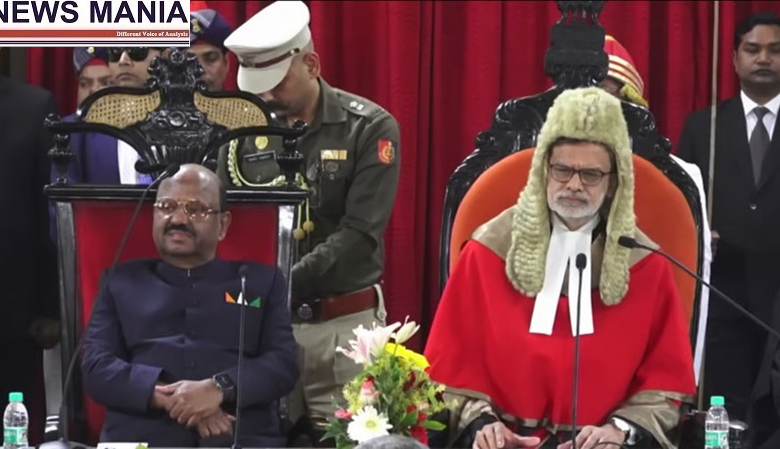
A representation has been submitted to Supreme Court of India urging the judiciary to reconsider the continued use of colonial-era ceremonial attire, including the white judicial wig and scarlet robes, in constitutional courts. The request has been addressed to D. Y. Chandrachud and raises broader concerns about the symbolism of such traditions in a modern republic.
The representation was filed by advocate Aditya Kashyap, who argued that colonial-era symbols no longer align with the constitutional identity of an independent India. The plea specifically refers to reports that the Chief Justice of the Calcutta High Court wears the traditional white wig and bright red ceremonial robe during certain formal occasions, a practice rooted in British judicial customs.
In the representation, Kashyap clarified that the request is not aimed at criticizing any individual judge. Instead, it highlights a broader institutional issue about whether symbols inherited from the British colonial administration should continue to be used in the country’s highest courts. According to the plea, the authority and legitimacy of India’s judiciary stem from the Constitution and the sovereignty of its people rather than from traditions associated with colonial governance.
The representation notes that India became independent in 1947 and adopted its Constitution in 1950, marking its transformation into a sovereign democratic republic. Continuing to follow ceremonial practices introduced during colonial rule, the document argues, may appear inconsistent with the country’s evolved constitutional values and national identity.
To address the issue, the advocate has suggested that the Supreme Court consider issuing advisory norms regarding appropriate ceremonial attire for judges in constitutional courts. The plea also proposes the formation of a committee to examine existing practices and recommend dignified alternatives rooted in Indian traditions and constitutional ethos.
Such reforms, the representation argues, could reflect India’s ongoing efforts to move away from colonial legacies in public institutions while maintaining the dignity and solemnity associated with the judiciary. Copies of the representation have reportedly been sent to the President of India, the Prime Minister, the Union Law Ministry, and the Chief Justice of the Calcutta High Court for consideration.