
Poor Oral Health in Pregnancy Linked to Risks for Both Mother and Baby, Dentists Warn
News Mania Desk / Piyal Chatterjee / 20th June 2025

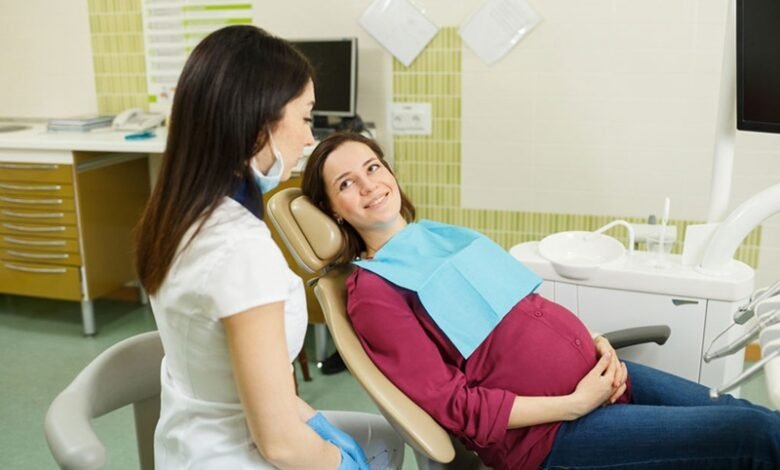
Medical experts are raising awareness about the serious impact of oral health on pregnancy, cautioning that conditions like gum disease can significantly affect both expectant mothers and their unborn children. Hormonal fluctuations during pregnancy, particularly elevated levels of estrogen and progesterone, increase gum sensitivity and inflammation, making up to 70% of pregnant women prone to pregnancy-related gingivitis.
Gingivitis, characterized by swollen, bleeding, and tender gums, can progress to more severe periodontal disease if left untreated. Dentists warn that such infections don’t just harm the mother’s teeth and gums—they can also affect the developing fetus. Bacteria from gum infections may enter the bloodstream and trigger inflammatory responses in the uterus, which can lead to complications such as preterm birth and low birth weight.
Studies cited by the American College of Obstetricians and Gynecologists show that inflammatory molecules like cytokines and prostaglandins, released due to gum infections, may contribute to the early onset of labour or restrict fetal development. Additionally, fetal tooth development begins as early as the sixth to seventh week of pregnancy, making maternal oral health and nutrition especially important during this time.
To support both maternal and fetal health, experts recommend a balanced diet rich in calcium, vitamin D, and vitamin C—nutrients found in dairy products, green leafy vegetables, citrus fruits, and fortified foods. Regular dental checkups, daily brushing with fluoride toothpaste, flossing, and professional cleanings are essential. Contrary to common fears, most routine dental procedures and X-rays are considered safe during pregnancy when proper precautions are taken.
Dentists urge pregnant women not to ignore symptoms like bleeding or swollen gums, advising immediate consultation. Timely treatment not only protects the mother’s oral health but also contributes to safer pregnancy outcomes and improved infant well-being.