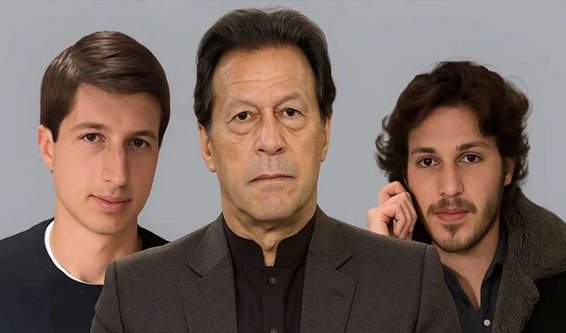
The family of imprisoned former Pakistani Prime Minister Imran Khan has escalated its demands for “proof of life” for the 72-year-old leader, expressing grave concern over his safety and health after weeks of being unable to establish verifiable contact. Khan has been incarcerated since August 2023 following a series of controversial convictions which his party, Pakistan Tehreek-e-Insaf (PTI), maintains are politically motivated.
In a strongly worded statement from London, where they reside, Khan’s son, Kasim Khan, painted a picture of distress for the family. “Not knowing whether your father is safe, injured or even alive is a form of psychological torture,” Kasim said in written remarks. He lamented the lack of independently confirmed communication with his father for several months, despite a court order that guarantees weekly meetings with the jailed leader.
Kasim Khan emphasized the family’s deepening dread: “Today we have no verifiable information at all about his condition. Our greatest fear is that something irreversible is being hidden from us.” He and his brother, Suleiman Isa Khan, who have largely stayed out of Pakistani politics, are now urgently calling on international human rights bodies to intervene, declaring the situation a “human rights emergency.”
The last time Kasim Khan reported seeing his father was in November 2022, shortly after the former cricket star survived an assassination attempt.
The rising speculation surrounding Khan’s well-being is set against the backdrop of intense political maneuverings in Pakistan. Amid the family’s fears, PTI Senator Khurram Zeeshan publicly asserted that Imran Khan is alive but confirmed the former Prime Minister is under immense pressure from elements within the government.
According to Senator Zeeshan, authorities are reportedly attempting to strike a “deal” with Khan, promising concessions if he agrees to leave the country and remain silent abroad. The Senator stated unequivocally that Khan is refusing to take the deal, reflecting his defiance against the current political establishment.
Imran Khan’s multiple convictions—including ten years for allegedly leaking a diplomatic cable (the cipher case) and fourteen years in a graft case related to the Al-Qadir Trust—have effectively sidelined him from the political arena. As concerns about his health and safety mount, the renewed demand for contact spotlights the complex political landscape in Pakistan and the persistent questions surrounding the condition and future of the nation’s most high-profile political prisoner.