Record Mediterranean Heatwave Sparks Alarming Threats to Marine Ecosystems
News Mania Desk / Piyal Chatterjee / 12th July 2025

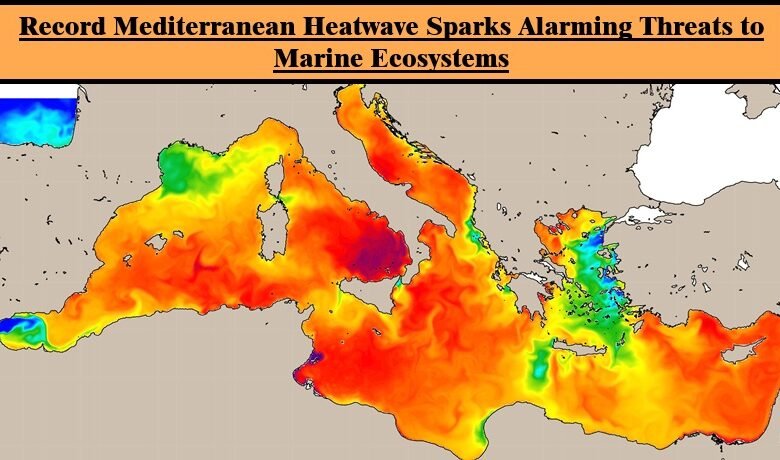
This summer, scientists and conservationists are sounding the alarm over an unprecedented marine heatwave sweeping across the Mediterranean Sea, with sea surface temperatures soaring several degrees above the seasonal average. This intense and prolonged heatwave is triggering widespread concern for the region’s delicate marine ecosystems, which are already stressed by pollution, overfishing, and habitat loss.
According to recent ocean monitoring data, water temperatures in parts of the western and central Mediterranean have exceeded 30°C (86°F), levels rarely seen in recorded history. Experts warn that such extreme and persistent heat is especially dangerous because many native Mediterranean species have evolved to live within relatively narrow temperature ranges. Sudden or prolonged spikes in temperature can overwhelm their ability to adapt, leading to mass die-offs and long-term shifts in biodiversity.
Marine biologists report that species such as seagrass meadows, corals, and gorgonian forests—which serve as crucial breeding grounds and shelters for countless marine creatures—are particularly vulnerable. Past heatwaves have already caused severe coral bleaching and large-scale mortality events among sponges and mollusks. The current heatwave, they fear, could have even more devastating consequences.
The Mediterranean Sea is often described as a climate change hotspot, warming at a rate about 20% faster than the global ocean average. Scientists attribute this acceleration to a combination of global warming and regional climatic factors. The impacts aren’t limited to wildlife: local fisheries, tourism, and coastal communities could all feel the consequences if marine biodiversity collapses.
Experts from conservation groups are urging governments around the Mediterranean to step up protective measures, including stricter controls on overfishing and stronger marine protected areas. They argue that while reducing greenhouse gas emissions is essential for the long term, immediate local action can still improve resilience and offer some buffer against rising temperatures.
As record-breaking marine heatwaves become more common, researchers say the Mediterranean faces a pivotal moment. Without decisive action, iconic habitats and species could vanish, fundamentally changing the sea’s ecological balance—and threatening a cultural and economic lifeline for millions who live along its shores.