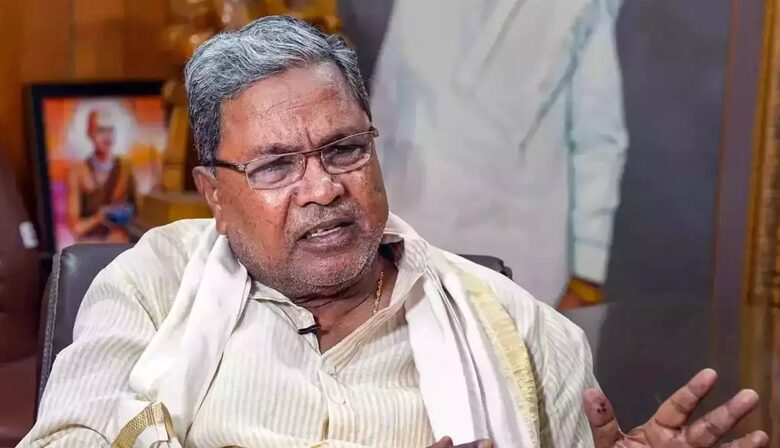
On Saturday, Karnataka Deputy Chief Minister D K Shivakumar credited the five guarantees and the leadership of Chief Minister Siddaramaiah for the Congress party’s victory in the assembly by-elections. Shivakumar claimed that this triumph was a harbinger to the party’s resounding victory in the 2028 assembly election. The Channapatna, Shiggaon, and Sandur Assembly segments were won by the Congress. The results of the November 13 by-elections were made public today.
With its candidate E Annapoorna defeating BJP’s ST Morcha president Bangaru Hanumanthu, the ruling Congress maintained its firm hold on Sandur on Saturday.In the Channapatna segment, Congressman C P Yogeeshwara defeated Union Minister H D Kumaraswamy’s son, Nikhil Kumaraswamy, a JD(S) contender, to win the “high profile” seat.
Similarly, Congress’ Yasir Ahmed Khan Pathan won the Shiggaon Assembly segment by defeating former Chief Minister Basavaraj Bommai’s son Bharath Bommai.
“Our guarantees, Siddaramaiah’s leadership and our workers and MLAs are responsible for our victory,” Shivakumar told reporters.
He said neither Nikhil Kumaraswamy nor Bharath Bommai lost the election. In fact, this was the defeat of their parents -Union Minister H D Kumaraswamy and BJP MP Basavaraj Bommai.”With this victory, our tally has now gone up to 138. There are other numbers as well, but I will not spell out how some people have internally supported us,” Shivakumar, who is also Congress state president, said.
There are 224 seats in the Karnataka Assembly. The Deputy CM counseled his opponents to concentrate on development projects rather than making unfounded accusations because doing so would only result in their ongoing defeat.