
Lt Gen Ram Chander Tiwari Relinquishes Eastern Command After Distinguished Service
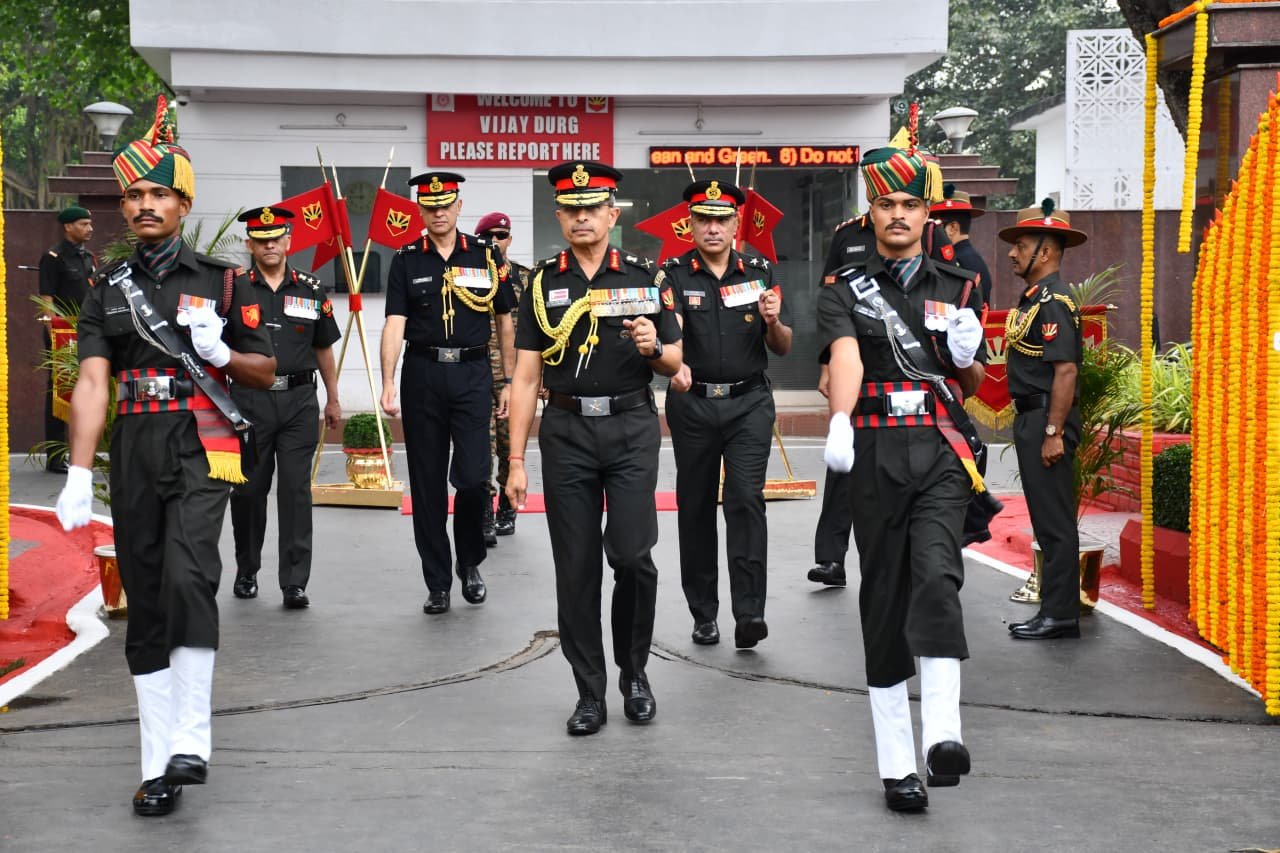
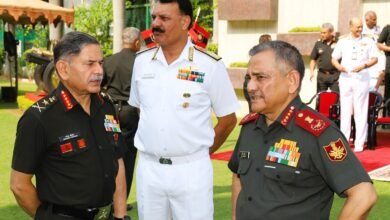
Buddhadeb Misra –Ram Chander Tiwari relinquished command of the Eastern Command on March 31 upon superannuation, concluding a distinguished military career spanning nearly four decades.As General Officer Commanding-in-Chief, he provided strategic leadership in one of India’s most sensitive operational theatres, enhancing preparedness, modernization, and border management. His tenure saw strengthened counter-insurgency efforts, improved inter-agency coordination, and increased focus on technology integration and digital transformation.A strong advocate of jointness and troop welfare, Lt Gen Tiwari fostered professionalism and operational excellence. The Indian Army lauded his exemplary service and contributions to national security.
Indian Navy Targets 200 Indigenous Warships by 2035
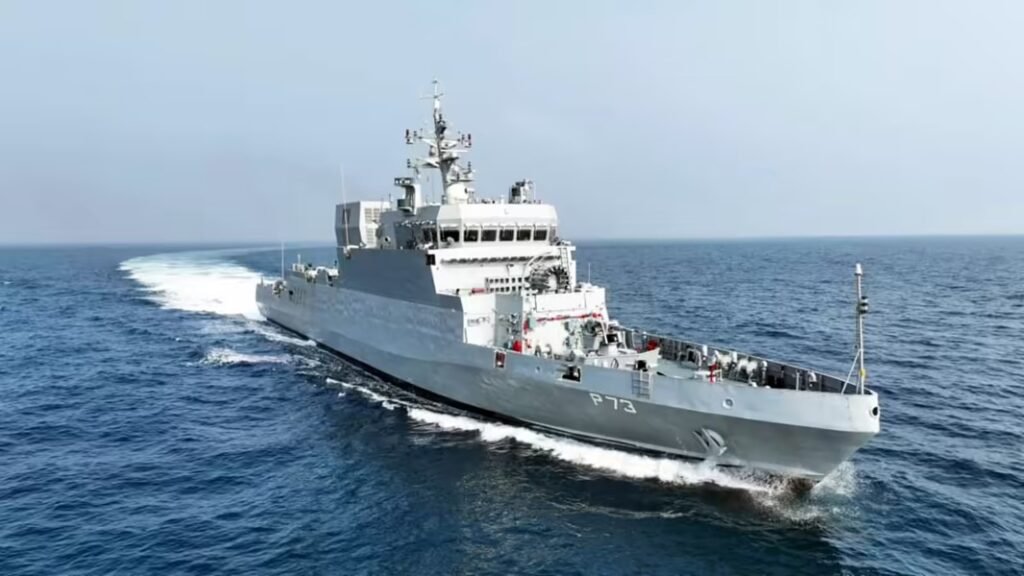
Dinesh K. Tripathi has reaffirmed the Indian Navy’s ambitious goal of building a 200-strong fleet of indigenous warships by 2035, underscoring a strong push towards self-reliance in defence manufacturing.The target is being supported by recent inductions such as INS Malvan and INS Agray, which enhance anti-submarine warfare capabilities in coastal regions.The initiative reflects India’s focus on strengthening maritime security, boosting domestic shipbuilding, and ensuring operational readiness in an evolving strategic environment.
Indian Army Inducts ‘Shaurya Squadrons’ to Boost Drone Warfare Capabilities
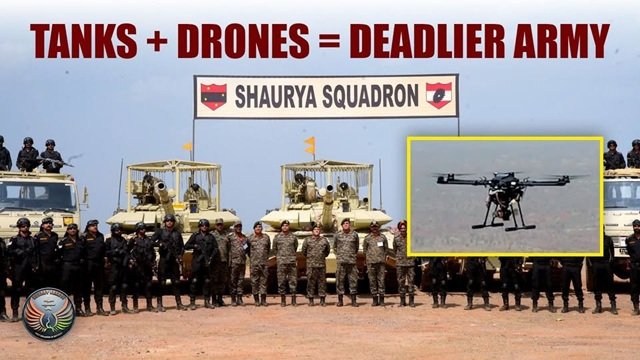
The Indian Army has begun inducting Shaurya Squadrons, specialized drone sub-units integrated within armoured regiments to enhance modern battlefield capabilities.These units are equipped with indigenous drone technology designed for advanced surveillance, real-time intelligence gathering, and precision strike operations. By embedding drone systems directly into combat formations, the Army aims to improve situational awareness and operational effectiveness on the battlefield.The move marks a significant step in India’s military modernization, reflecting a growing emphasis on technology-driven warfare and self-reliance in defence innovation
Armed Forces Launch New User–Academia–Industry Partnership Model
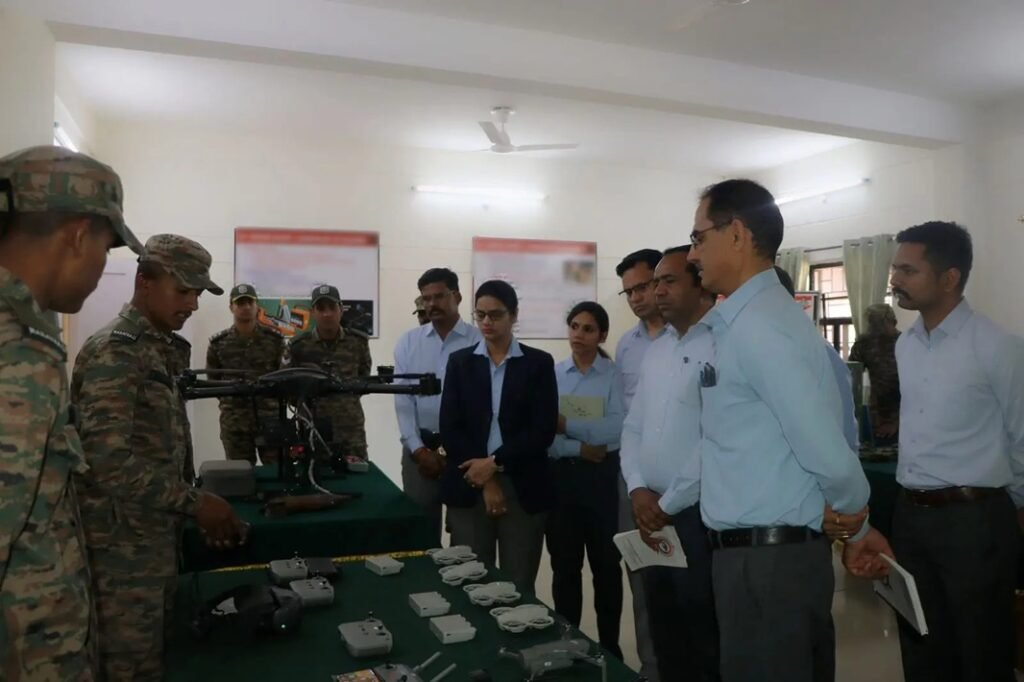
The Indian Armed Forces have introduced a new User–Academia–Industry Partnership model to accelerate defence innovation and reduce dependence on traditional Public Sector Undertakings.The framework enables direct collaboration between the military, private startups, and research institutions for the development of critical components and technologies. By streamlining processes and encouraging innovation, the initiative aims to fast-track indigenous solutions and enhance operational capabilities.
US Envoy Reaffirms Strong India–US Ties

Sergio Gor has emphasized that the US President “deeply cares” about the relationship between India and the United States, underlining the strategic importance of bilateral ties.The statement highlights continued cooperation across key areas such as defence, trade, and technology. It also reflects a shared commitment to strengthening diplomatic engagement and advancing mutual interests in an evolving global landscape.This move reflects a strategic shift towards a more agile and inclusive defence ecosystem, fostering self-reliance while leveraging cutting-edge research and entrepreneurial expertise.
India–Indonesia BrahMos Deal Boosts Strategic Defence Ties
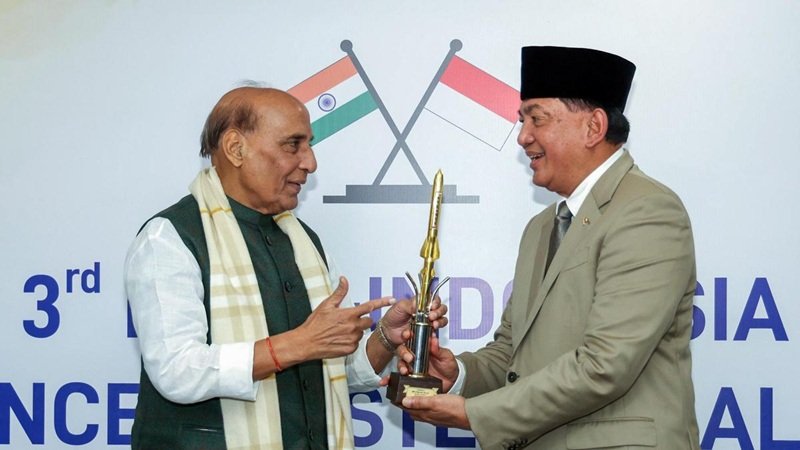
India is set to strengthen its defence partnership with Indonesia through the supply of BrahMos coastal defence systems, with reports indicating a deal valued between $200 million and $350 million (around ₹3000 crore). The agreement aims to deploy BrahMos batteries along Indonesia’s coastlines, significantly enhancing maritime security and deterrence capabilities in the Indo-Pacific region.
This marks Indonesia as the second Southeast Asian nation, after the Philippines, to acquire the missile system, reflecting India’s growing role as a defence exporter and strategic partner in the region. The deal also aligns with India’s push for indigenous defence manufacturing and expanding global military cooperation.
Powering Autonomy: Nexospark’s Indigenous Venom 30A ESC Redefines Indian UAV Performance
The Venom 30A is a high-performance 4-in-1 ESC, designed to control four motors through a single compact unit. This integration reduces overall drone weight and simplifies wiring, making UAV assembly more efficient and reliable. A key highlight of the system is its robust power delivery, ensuring stability even during high-thrust and complex flight manoeuvres. This makes it particularly suitable for mission-critical applications such as surveillance, defence operations, and FPV drone missions where performance precision is essential. Technologically, the ESC supports advanced digital protocols like DShot, enabling faster response times and more accurate motor control compared to traditional systems. This enhances pilot control and responsiveness—crucial in high-speed and tactical environments. Fully manufactured in India, the innovation underscores the country’s growing capabilities in aerospace technology and aligns with the vision of Atmanirbhar Bharat, reducing dependence on imported drone components while strengthening domestic supply chains.
MoD Achieves Record ₹2.3 Lakh Crore Defence Procurement Milestone
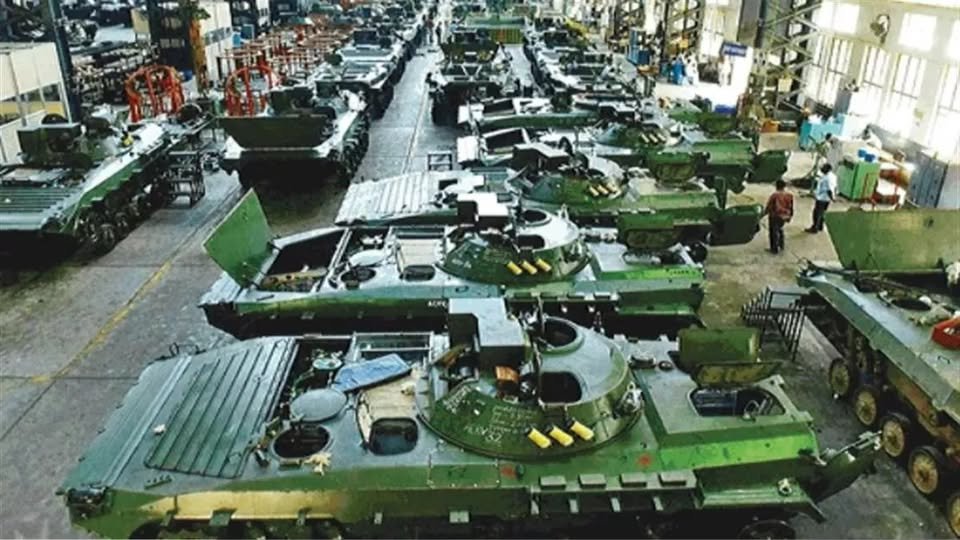
The Ministry of Defence has achieved a historic milestone in capital procurement for the 2025–26 financial year, reflecting a significant shift in India’s strategic posture. By March 2026, over 500 procurement contracts were finalised, amounting to an estimated ₹2.3 lakh crore ($27.5 billion). This unprecedented scale highlights the government’s accelerated push towards military modernization and capability enhancement.The surge in procurement underscores a focus on strengthening defence preparedness, boosting indigenous manufacturing, and ensuring faster acquisition of critical systems, marking a transformative phase in India’s defence ecosystem.
Sqn Ldr Priya Sharma: From MiG-21 to Tejas, A Trailblazing Journey

Priya Sharma has emerged as a symbol of progress and determination in the Indian Air Force, transitioning from flying the legacy MiG-21 to operating the advanced HAL Tejas.Her journey marks a significant milestone as she moves from the phase-out era of older platforms to the frontline of India’s indigenous air power. As one of the country’s pioneering women fighter pilots, her achievement reflects the growing role of women in combat aviation and the broader modernization of the IAF.