West Bengal Cabinet Mandates Bengali as Second Language in Private English Medium Schools

The West Bengal cabinet, under the leadership of Chief Minister Mamata Banerjee, made a significant move on August 7 by approving a proposal that makes Bengali mandatory as a second language in private English medium schools. Alongside this decision, the cabinet also greenlit the establishment of an Education Commission tasked with addressing grievances against private educational institutions.
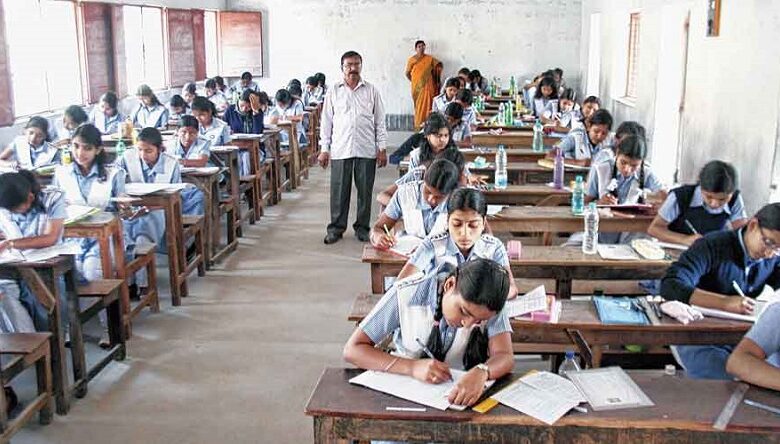
The cabinet meeting, presided over by Chief Minister Mamata Banerjee, witnessed the approval of a crucial decision that has far-reaching implications for the linguistic and educational landscape of the state. A senior official confirmed that the cabinet’s decision enforces the inclusion of Bengali as a compulsory second language in all private English medium schools across West Bengal. The official highlighted that despite the existence of options to study Bengali as a second language, most students opt for Hindi or other languages, resulting in an inadequate grasp of Bengali. This move aims to rectify this gap and ensure a more comprehensive understanding of the state’s native language.
Simultaneously, the cabinet also authorized the formation of an Education Commission, modelled after the existing Health Commission, which will address grievances filed against private schools. The Commission will be headed by a retired judge and will focus on various aspects such as complaints regarding tuition fee hikes during the pandemic, concerns about syllabus, and issues related to examination processes. This initiative aims to ensure transparency, accountability, and the overall quality of education in private schools.

Welcoming the decision to introduce Bengali as a mandatory second language, Bangla Pokkho, an organization committed to promoting the Bengali language, expressed their appreciation to Chief Minister Mamata Banerjee and Education Minister Bratya Basu. Kausik Maiti, the organizing secretary of the group, expressed the sentiments of the people, emphasizing that this decision had been eagerly awaited and applauded by the residents of Bengal who value their cultural and linguistic heritage.
The West Bengal cabinet also focused on administrative and territorial matters, approving the formation of a committee responsible for submitting a comprehensive report within three months regarding the creation of seven new districts in the state. The districts that will be divided to establish the new administrative units include Nadia, Birbhum, Malda, North 24 Parganas, South 24 Parganas, Purba, and Paschim Medinipur. This strategic move aims to enhance administrative efficiency and cater to the diverse geographical and administrative needs of different regions.
The committee responsible for overseeing the division will comprise prominent figures, including senior ministers Firhad Hakim, Arup Biswas, and Moloy Ghatak, as well as Chief Secretary HK Dwivedi, alongside other departmental secretaries. This collaborative approach seeks to ensure a well-informed decision-making process.
At the meeting, Chief Minister Banerjee also set a 15-day deadline for the implementation of all the decisions made by the state government, including those endorsed by the cabinet. She emphasized the importance of timely execution and directed officials to submit reports on the progress of implementation to the Chief Minister’s Office.
News Mania Desk / Agnibeena Ghosh 9th August 2023