Hrithik Roshan showers praise on Vikram Vedha director duo for Suzhal – The Vortex trailer

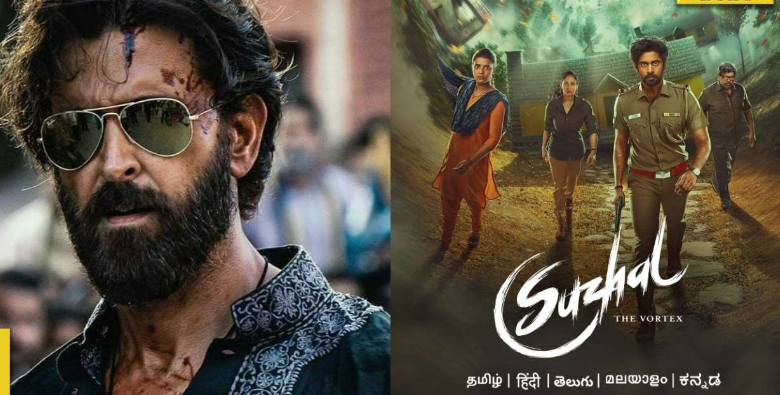
Actor Hrithik Roshan Tuesday showered praises following the trailer release of Suzhal – The Vortex, an upcoming Tamil series by his Vikram Vedha director duo Pushkar-Gayathri.
Hrithik took to his Instagram handle and posted a Story featuring the film’s poster along with a note that read, “Mind blown That, my friends is…. Pushkar and Gayatri empowered by @PrimeVideoln to take stories that they believe in, to audience far and wide!” “Only someone as brilliant as them could have made the first-ever Indian web series to have a global launch in 30+ Indian & foreign languages. Make way for Amazon’s first-ever Tamil original Suzhal – the Vortex. To be premiered on June 17th! Congratulations & Good luck to the team,” he added.
Written and created by the dynamic duo Pushkar and Gayatri and directed by Bramma and Anucharan. M, the 8-episode investigative drama promises to be an intriguing and thrilling ride through events that wreak havoc in a small industrial town following the disappearance of a schoolgirl.
Suzhal – The Vortex begins with the disappearance of a young girl from a small town in Tamil Nadu. What begins as a mere missing-person investigative drama, soon spirals into a heart-thumping thriller with a twist at every turn and a secret tumbling out of every corner of the story, threatening to tear apart the town and its delicate social fabric.
The series will stream in India and across 240 countries and territories on Amazon Prime Video from June 17, 2022.
Source: (This story has not been edited by News Mania staff and is published from a syndicated feed.)
Photo: Internet