Thirty-one years after the assault in which an RSS worker — currently the Kerala BJP vice president — lost both of his legs, eight CPM members have turned themselves in
News Mania Desk / Piyal Chatterjee / 5th August 2025

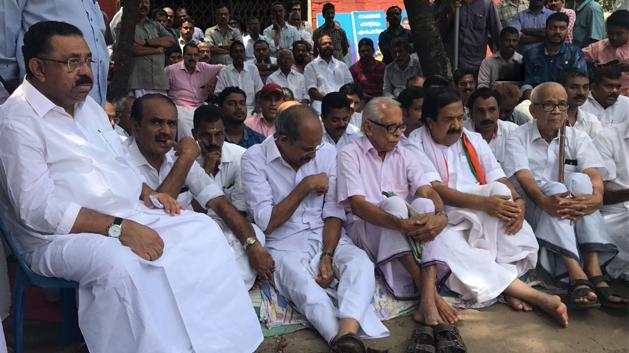
Thirty-one years following a violent assault on an RSS worker in Kerala, eight sentenced CPI(M) members turned themselves in at a court in Kannur on Monday.
The RSS worker, who lost both legs in the January 25, 1994 attack, is now Sadanadan Master, the BJP state vice-president who was appointed as a Rajya Sabha member last month. Sadanandan, a former school teacher, was acting as the RSS saha karyavah in the Kannur district when he was assaulted in his hometown of Mattannur.
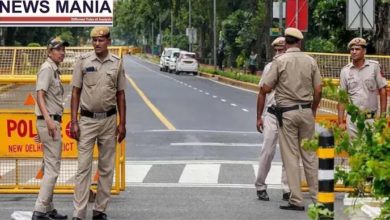
The CPI(M) workers who are accused turned themselves in at the sessions court in Thalassery after the High Court dismissed their appeal against the conviction earlier this year. They were given a seven-year prison sentence and will be transferred to the Kannur Central Prison. Following a trial court’s conviction and sentencing of the accused in Kannur in 1997, they appealed to the High Court, which confirmed the conviction in January this year. The High Court stated that the defendants merit “no kind of leniency considering the blatant actions performed by them.”
“The incident did not happen in a fit of rage/anger or on a sudden provocation. The attack seems to have been premeditated,” the High Court had said in the order upholding their conviction. The court also enhanced the compensation amount, with each of them being asked to pay Rs 50,000 each.
Subsequently, the defendant appealed to the Supreme Court, which chose not to accept the plea. Then, the High Court revoked their bail and instructed them to present themselves to the trial court by August 4.
In the case, there were 12 defendants, but the trial court convicted only eight, as the conspiracy charge against the remaining four could not be established. This was among the rare instances related to political violence in Kannur where police had invoked several provisions of the Terrorists and Disruptive Activities Prevention Act (TADA) 1987. Subsequently, the TADA charges were dismissed