How Green Steam is Changing while Businesses Affect the Climate

News Mania desk/Agnibeena Ghosh/30th April 2024
Colorado-based New Belgium Brewing has a rich history dating back to 1988 when co-founders Kim Jordan and Jeff Lebesch embarked on a cycling trip through Belgium. Inspired by Belgian brewing techniques, they introduced these methods to their hometown, leading to the creation of their flagship beer, Fat Tire, three years later. Over the past three decades, New Belgium Brewing has expanded its portfolio to include a variety of unique brews tailored to the American market.
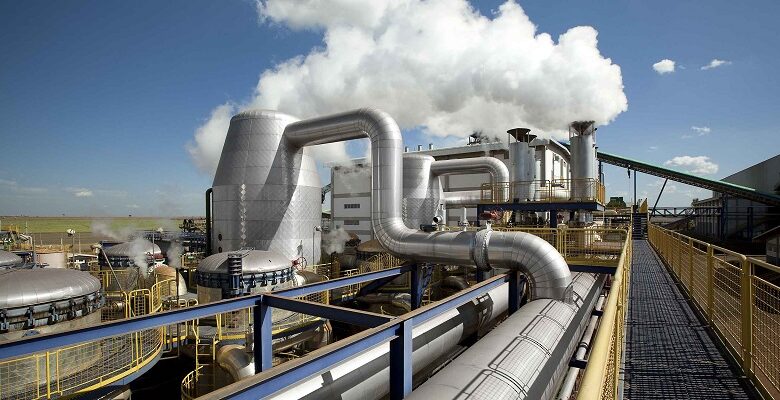
Despite their innovative brewing techniques, New Belgium Brewing, like many others in the industry, relies heavily on steam for various aspects of the brewing process. Steam plays a crucial role in sanitizing equipment and facilitating the brewing process by boiling wort, a liquid extracted during the initial mashing stage of brewing. This process helps remove unwanted flavors before fermentation, resulting in the production of beer.
However, steam generation, typically powered by boilers fueled by fossil fuels, comes with a significant carbon footprint. In 2018, fossil fuels accounted for 73% of industrial energy use in the US, with 40% dedicated to heating boilers producing steam. To address this environmental concern, companies like New Belgium Brewing are exploring alternative steam generation methods.
One such approach is electric steam generation, which, if powered by sustainable sources, can significantly reduce carbon emissions. While the transition to electric steam generation may incur initial costs, it offers long-term sustainability benefits. Companies can often integrate electric steam systems into their existing infrastructure, minimizing downtime and disruption to production processes.
Another innovative solution comes from US-based AtmosZero, which has developed a heat pump-based boiler system. This technology extracts heat from the air and converts it into high-temperature steam. By utilizing a closed-loop system with liquid refrigerants, AtmosZero’s boiler achieves high efficiency and significantly lower operating costs compared to traditional boilers. This approach aligns with the sustainability goals of companies like New Belgium Brewing, offering a viable alternative to fossil fuel-powered steam generation.
New Belgium Brewing’s commitment to sustainability extends beyond steam generation. The company has implemented various initiatives, including installing solar panels and harnessing electricity from wastewater. In August 2020, Fat Tire became the first certified carbon-neutral beer in America, marking a significant milestone in the company’s sustainability journey. With plans to achieve complete carbon neutrality by 2030, New Belgium Brewing recognizes the importance of transforming its steam usage as a key step towards achieving its sustainability goals.
As demand for environmentally responsible practices continues to grow, manufacturers of green steam equipment anticipate increased adoption in the coming years. Regulatory pressures and evolving consumer preferences are driving companies to prioritize sustainability and reduce their environmental impact. By embracing innovative steam generation technologies, breweries like New Belgium Brewing are paving the way for a more sustainable future in the beer industry.
In collaboration with AtmosZero, New Belgium Brewing is poised to test their heat pump system, marking a significant milestone in their sustainability efforts. As they continue to innovate and implement sustainable practices, New Belgium Brewing exemplifies the brewing industry’s commitment to environmental stewardship and a greener future.