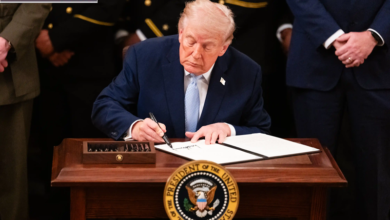
In a dramatic pivot, US President Donald Trump issued an executive order on November 14 2025 to remove tariffs on a wide swath of food and agricultural imports—including beef, coffee, tropical fruits, tea, cocoa, spices and certain fertilisers. The move comes as consumers face record-high grocery bills and voters have flagged inflation and cost of living as major concerns in recent elections.
Until now, the administration had leaned heavily on tariffs as a pillar of its trade policy, aimed at boosting domestic industries. However, Trump acknowledged that the levies may have contributed to higher consumer prices, calling the reduction a step toward relief for American households.
The tariff exemptions cover goods that are either not produced in the US in sufficient quantities or are cost-sensitive imports, such as bananas, oranges and tomatoes. Notably, beef—produced domestically but still influenced by global market dynamics—was also included in the rollback, signalling how severe price pressures have become.
Analysts say the reversal underscores the political urgency facing the White House, as Democratic gains in recent off-year elections were attributed in part to voter frustration over inflation and economic hardship. Business groups welcomed the decision, describing it as “swift tariff relief” essential for stabilising supply chains and addressing consumer affordability.
Critics, particularly from the Democratic side, interpret the move as an implicit admission that the earlier tariff strategy was counter-productive, increasing costs for American households. They argue that the rollback comes only after substantial political pushback and public discontent.
The White House framed the policy change as part of a broader, long-term trade strategy, pointing to new trade frameworks with Argentina, Ecuador, Guatemala and El Salvador that would facilitate agricultural imports and support the tariff adjustments. As the changes take effect immediately, attention now turns to whether the price relief will reach consumers and whether this signals a broader shift in US trade policy.