Trump Signals Possible Drawdown of U.S. Military Operations in Iran, Outlines Five Objectives
News Mania Desk/ Piyal Chatterjee/21st March 2026

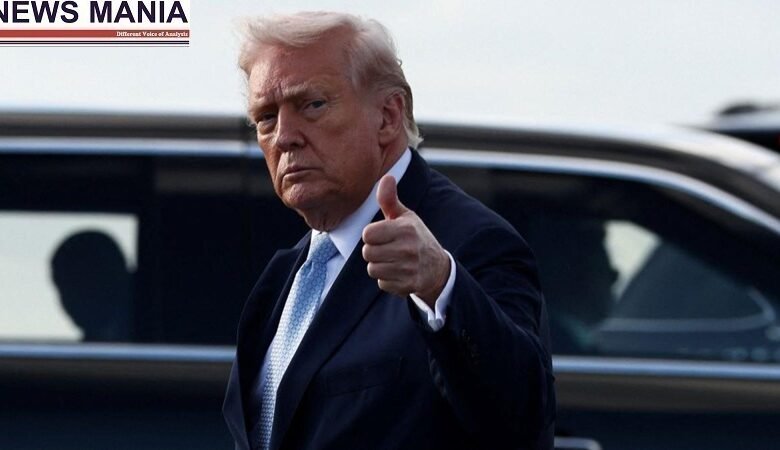
President Donald Trump has indicated that the United States is considering scaling back its military involvement in the ongoing conflict with Iran, saying that U.S. forces are nearing the fulfillment of strategic goals outlined at the start of operations. While Trump stopped short of declaring an end to hostilities, he highlighted five central objectives that, according to him, have largely been met and form the basis for a potential reduction in combat activities.
Addressing reporters and supporters, Trump said that the military campaign has significantly degraded Iran’s missile systems, defensive infrastructure, and conventional forces. He emphasized that neutralizing threats to U.S. allies in the Middle East and preventing Tehran from advancing its nuclear program remain top priorities. The president framed these achievements as critical benchmarks that justify considering a gradual drawdown of active military operations.
Trump’s five stated objectives include: disabling Iran’s missile launchers and air capabilities; dismantling key elements of its defense-industrial base; restricting nuclear weapons development; safeguarding the security of U.S. regional partners, including Israel, Saudi Arabia, Qatar, and the UAE; and encouraging regional stakeholders to take a more active role in securing the Strait of Hormuz, a strategic chokepoint for global oil shipments. These goals reflect a combination of military, strategic, and diplomatic aims, designed to reduce Tehran’s ability to threaten the region while gradually transferring responsibility for regional security to local actors.
Despite signaling a possible de-escalation, Trump was careful to clarify that a formal ceasefire is not yet on the table. Diplomatic negotiations remain limited, and U.S. forces will continue operations until senior command authorities confirm that critical objectives have been met. Defense officials have reiterated that while key tactical milestones may be achieved, a full-scale end to military operations will require careful planning and coordination with regional partners.
The announcement comes amid Iranian claims of success, with Supreme Leader Ali Khamenei asserting that Tehran has achieved a form of victory and that U.S. efforts have been repelled. Analysts say the statements from both Washington and Tehran suggest a shifting dynamic in the conflict, potentially paving the way for a de-escalation if core objectives on both sides are recognized.
Strategic experts note that Trump’s message reflects a broader attempt to balance domestic and international pressures: demonstrating progress in the conflict while signaling that the U.S. intends to reduce its footprint in the region. Encouraging regional powers to assume greater responsibility for security around critical oil routes is part of a longer-term plan to stabilize the Middle East while maintaining deterrence against future threats.
For now, the United States continues to maintain a robust military presence in the region, but Trump’s remarks indicate that Washington may be preparing for a transition from active combat to strategic containment, signaling a potential recalibration of American engagement in the Iranian conflict