Two Indian LPG carriers transit Strait of Hormuz as supply concerns persist
News Mania Desk/ Piyal Chatterjee/28th March 2026

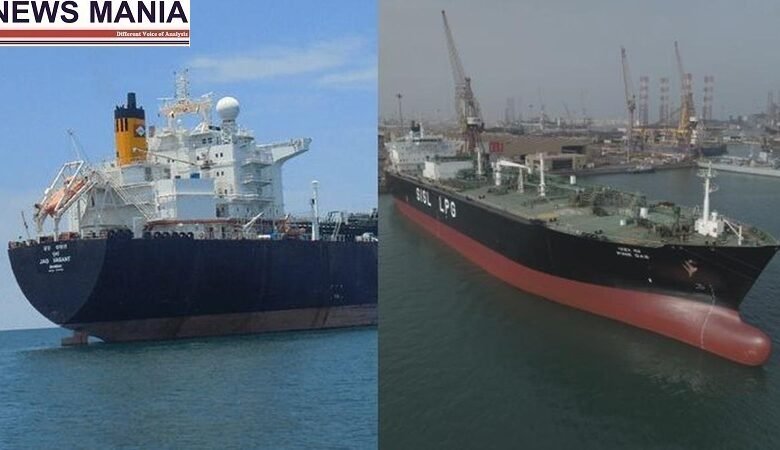
Amid heightened tensions in West Asia, two Indian liquefied petroleum gas (LPG) carriers have successfully crossed the strategically vital Strait of Hormuz, providing cautious relief to India’s energy supply chain. The development comes at a time when maritime movement in the region remains under strain due to ongoing geopolitical uncertainties and security risks.
The two vessels, carrying LPG shipments bound for India, were tracked moving through the narrow waterway after departing from ports in the Persian Gulf. Their safe passage is being closely watched by authorities and industry stakeholders, as the strait serves as a crucial artery for global energy trade. A significant portion of the world’s oil and gas exports pass through this route, making any disruption a matter of global concern, particularly for energy-import dependent countries such as India.
The movement of these carriers is part of a broader effort to ease the bottleneck of Indian vessels that have been delayed or stranded in the Gulf region. In recent days, multiple Indian-flagged ships have either transited the strait or are awaiting clearance to proceed. Shipping companies and authorities have been coordinating closely with regional agencies to ensure safe navigation through the volatile zone, often relying on enhanced monitoring and security protocols.
Despite this progress, several Indian vessels, including LPG carriers, remain held up in the region due to safety concerns. The prevailing tensions have complicated routine shipping operations, forcing delays and rerouting in some cases. Industry experts note that even limited disruptions in the Strait of Hormuz can have a cascading impact on global energy markets, pushing up freight costs and tightening supply.
India, one of the largest importers of LPG, depends heavily on supplies from West Asia. A large share of these imports passes through the Strait of Hormuz, making the country particularly vulnerable to disruptions in the region. The current situation has already led to supply constraints, with authorities reportedly prioritising domestic household consumption over industrial demand to manage shortages.
The successful transit of the two carriers signals a partial easing of immediate concerns, but uncertainty continues to loom over the region. Analysts warn that sustained tensions could further strain supply chains and impact fuel availability. As a result, Indian authorities remain on high alert, closely monitoring developments and preparing contingency plans to secure uninterrupted energy supplies in the coming weeks.