
WHO warns of surging levels of antibiotic resistance, calls for using medicines responsibly
News Mania Desk / Piyal Chatterjee / 13th October 2025

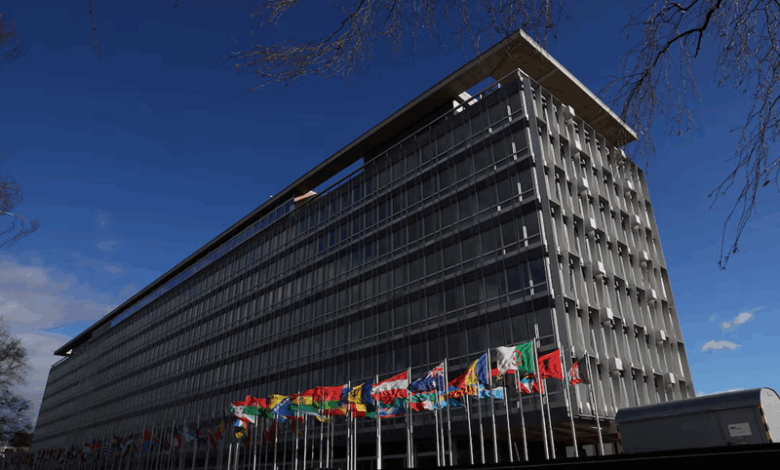
The World Health Organization (WHO) has issued a stark warning over surging global levels of antibiotic resistance, urging responsible use of medicines to prevent a public health crisis. According to a report based on data from more than 100 countries between 2016 and 2023, roughly one in six bacterial infections are resistant to antibiotics, with resistance detected in around 40% of samples monitored.
WHO Director-General Tedros Adhanom Ghebreyesus highlighted the urgent threat, saying, “Antimicrobial resistance is outpacing advances in modern medicine, threatening the health of families worldwide. We must use antibiotics responsibly and ensure access to the right medicines, quality diagnostics, and vaccines.” The agency estimated that antibiotic-resistant infections account for over one million deaths annually.
The report attributes the rise in resistance not only to natural genetic mutations in pathogens but also to human activities, including the misuse and overuse of antibiotics in humans, animals, and agriculture. The highest resistance levels were reported in South Asia and the Middle East, where about one in three infections are resistant to standard treatments. In Africa, resistance to first-line therapies for bloodstream infections — which can cause sepsis, organ failure, and death — exceeds 70%, the WHO said.
The organization called for a global strategy that includes prudent prescription practices, better regulatory oversight, and public education on the dangers of inappropriate antibiotic use. WHO emphasized that combating antimicrobial resistance requires coordinated action across healthcare systems, agriculture, and pharmaceutical sectors to safeguard the effectiveness of existing treatments and prevent a post-antibiotic era.
The report underscores the urgent need for countries to strengthen surveillance, invest in new antibiotics, and promote vaccines and diagnostics to curb the growing threat, which has been described as one of the greatest challenges to modern medicine in the 21st century.