Law Colleges Suggest Alternatives for PwD Candidates Amid Debate Over 3-Year Practice Rule for Judicial Service
News Mania Desk/ Piyal Chatterjee/16th March 2026

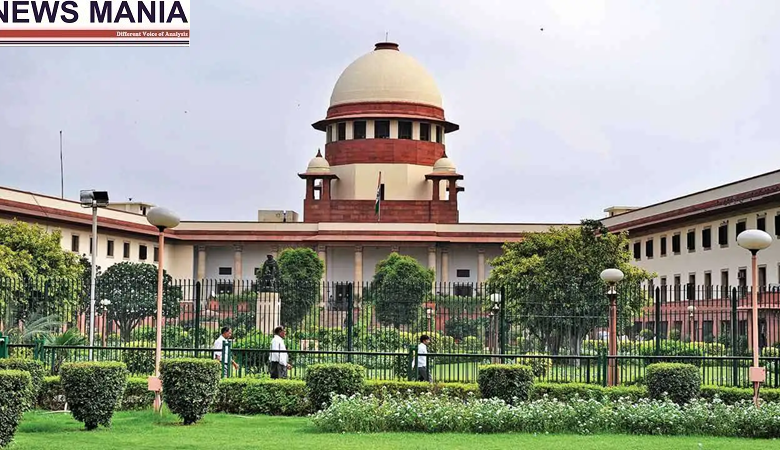
Several law universities across India have proposed alternative ways to satisfy the mandatory three-year legal practice requirement for judicial service aspirants with disabilities, as the issue comes under consideration before the Supreme Court of India. The suggestions were submitted after the court sought views from law colleges and other stakeholders on how the rule may affect candidates with disabilities.
The three-year practice mandate was revived following the Supreme Court’s ruling in the All India Judges Association v. Union of India case. Under this rule, law graduates must complete at least three years of practice as advocates before they can appear for entry-level judicial service examinations. The court had reinstated the requirement to ensure that future judges possess practical courtroom experience and better understanding of legal procedures before entering the judiciary.
However, concerns have been raised about the challenges the rule poses for persons with disabilities (PwD). Petitioners argued that many differently-abled law graduates face structural barriers in the legal profession, including limited accessibility in court premises and fewer opportunities in litigation practice.
Responding to these concerns, several law colleges suggested that the definition of “practice at the Bar” should be broadened for candidates with disabilities. They recommended recognising alternative forms of legal engagement, such as working as law clerks, legal researchers, policy analysts, or participating in legal aid initiatives. According to the institutions, these roles provide significant exposure to legal reasoning, research, and the functioning of the justice system.
At the same time, the Supreme Court has indicated that creating a completely separate eligibility standard for candidates with disabilities may raise concerns about fairness and uniformity in recruitment. The court observed that any modification to the eligibility framework should ideally apply uniformly to all candidates.
The matter remains under examination, with inputs from law schools and High Courts expected to assist the court in determining whether adjustments to the rule are necessary while maintaining the objective of strengthening the quality and preparedness of future judges.