Adopted children are no different: SC overturns the three-month maternity leave cap
News Mania Desk/ Piyal Chatterjee/17th March 2026

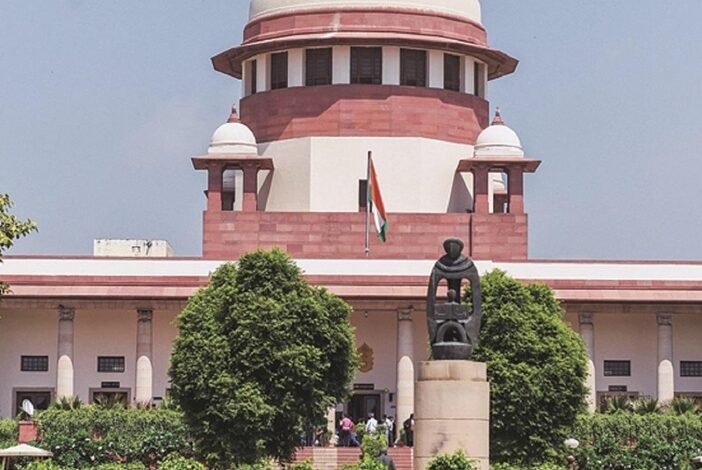
The Supreme Court ruled on Tuesday that it was unconstitutional to withhold maternity leave to women who adopt infants older than three months, acknowledging both the adoptive parents’ and the child’s right to a dignified life. Regardless of the age of the adopted kid, an adoptive mother should be entitled to a 12-week maternity leave, according to a bench comprising Justices Pardiwala and Mahadevan.
“The purpose of maternity protection does not vary with the way the child is brought into the life of the mother. Women adopting an older child are similarly placed as women who adopt a child less than 3 months old,” the top court said.
Crucially, the court determined that the Social Security Code, 2020’s Section 60(4) age restrictions breached Article 14’s guarantee of equality. According to the clause, women would only be qualified for maternity leave if their adopted infants were younger than three months. It hasn’t been overturned. The Supreme Court stated that social security benefits cannot be denied based on the distinction between biological and adoptive mothers.
“Classification under social security act ignores the emotional and physical adjustment required. Adoption is an equal exercise of the right to reproduction,” the bench ruled.
The court underlined that adoption was “an equally valid path” for the creation of a family. “An adopted child is no different from so called ‘natural’ child. The act of adoption carries equal if not more profound affirmation of parenthood,” the bench said.
The court also identified a practical weakness in the legislation. Children younger than three months are rarely adopted, according to the judgment, because of the formalities involved in declaring a kid “legally free for adoption”.
Notably, the Supreme Court also recommended that the Center enact legislation acknowledging paternity leave as a social security benefit. Hamsanandini Nanduri, who argued that the age-based restriction was arbitrary and in violation of Article 14 of the Constitution, filed a PIL that resulted in the ruling.