Middle East violence continues after Trump claims ‘very good’ talks with Iran
News Mania Desk/ Piyal Chatterjee/24th March 2026

A day after Donald Trump claimed that the US and Iran were in “very good” discussions to end the conflict in the region shortly, violence has persisted throughout most of the Middle East. While Israeli and US jets continued to hit Tehran and other sites in the Islamic Republic, Iranian barrages on Tuesday targeted Israel, northern Iraq, and Gulf Arab states.
Multiple official sources in Tehran have denied any talks are under way. In a social media post, Mohammad Bagher Ghalibaf, the speaker of the Iranian parliament and a possible negotiator with the United States, stated: “No negotiations have been held with the US … fake news is used to manipulate the financial and oil markets.”
Tehran is skeptical of any US offer of negotiations, partly because it had discussions with the US prior to the surprise attack that sparked the conflict and claimed the lives of dozens of senior officials, including supreme leader Ali Khamenei. When the US and Israel attacked Iran’s nuclear facilities last year, sparking a 12-day conflict, Iran was also in talks.
“We must think wisely,” Esmail Kowsari, a member of the Iranian parliament’s national security and foreign policy committee, was quoted as saying by the semiofficial Fars news agency. “Their nature is to sow discord so that they can make people distrust officials and believe that such actions have taken place, whereas no such action has occurred.”
Nonetheless, initial attempts to create channels of communication between Washington and Tehran have been acknowledged by possible middlemen like Pakistan, Oman, Egypt, and others. Some of the belligerent Iranian response may be explained by the significant splits among Tehran’s remaining senior officials, according to analysts.
According to his office, Iran’s foreign minister, Abbas Araghchi, has been discussing the conflict with his counterparts in Azerbaijan, Egypt, Oman, Pakistan, Russia, South Korea, Turkey, and Turkmenistan in recent days. In Islamabad, officials suggested that Iranian officials meet with Steve Witkoff, Trump’s special envoy, Jared Kushner, the president’s son-in-law, and JD Vance, the US vice president.
The abrupt diplomatic action followed threats of strikes between the US and Iran over the weekend that might have shut down desalination plants, which supply drinking water to several arid countries, and cut off energy to millions of people in Iran and the Gulf.
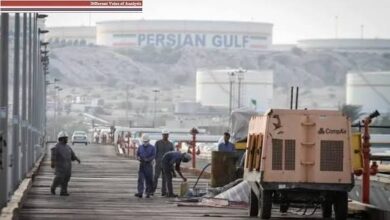
Trump temporarily lowered oil prices and raised equities on Monday by postponing a deadline for Iran to allow commerce through the Strait of Hormuz or face attacks on its power plants. The deadline will now expire on Friday. The US is still launching additional attacks and bolstering its military forces near Iran; around 5,000 marines are on their way to the area.
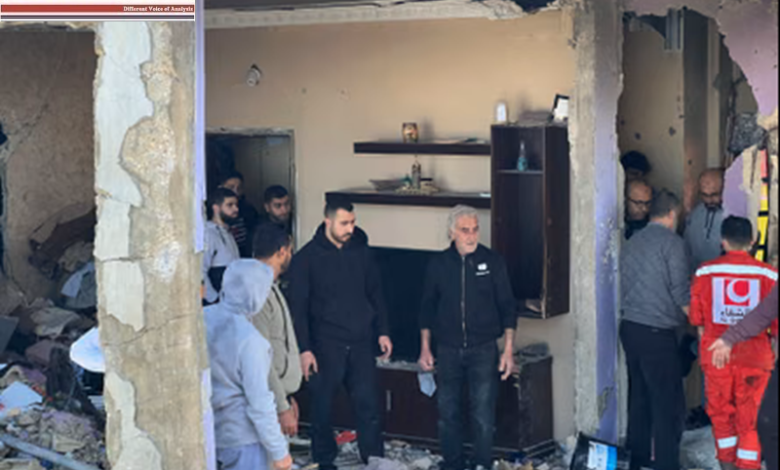
Iranian media reported that Israeli-US strikes partially damaged two gas facilities and a pipeline in central Iran. This occurred shortly after Trump retracted a threat against power infrastructure. Israeli Prime Minister Benjamin Netanyahu announced continued operations against Iran and Hezbollah, promising more attacks. Iran retaliated by launching missiles at Israel, with one striking Tel Aviv and causing damage. Israel targeted Hezbollah infrastructure in Lebanon, resulting in civilian casualties.
Elsewhere, air defense shrapnel affected power lines in Kuwait, while missile alerts were issued in Bahrain and Saudi Arabia intercepted Iranian drones. Oil prices surged to $104 a barrel, with analysts predicting long-term disruptions in oil and gas supply from the region, regardless of the conflict’s resolution.