India’s Heat Crisis Needs Cooler Cities, Not Just Heat Alerts
Dr. Pallavi Joshi Lahari, Associate Fellow & Area Convener, Climate, Air Quality & Health, The Energy and Resources Institute (TERI), New Delhi, India

Why natural infrastructure should become the next frontier of heat adaptation and public health protection
India has made significant progress in recognising extreme heat as a public health challenge. Heat Action Plans, early warning systems, public advisories, and coordinated action by local administrations have become important components of heat adaptation across many states and cities. As climate change increases the frequency and intensity of extreme heat events, these efforts will remain indispensable. However, India’s future heat burden is unlikely to be defined solely by a handful of declared heatwaves.
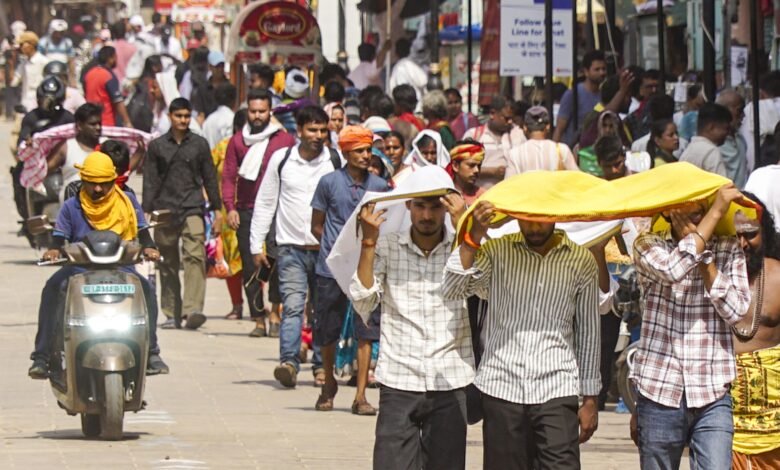
Heat risk is already affecting large sections of India’s population and is expected to intensify as climate change and urbanisation continue. Increasingly, that risk is being driven not only by extreme daytime temperatures but also by warmer nights, rising humidity, dense built environments, declining green cover, and shrinking water bodies. Heat is becoming less of an episodic emergency and more of a chronic environmental exposure.
From a public health perspective, this distinction is critical. People do not experience temperature alone. The body responds to a combination of temperature, humidity, solar radiation, wind speed, housing conditions, and access to shade. A temperature of 38°C in a humid, densely built neighbourhood with little vegetation may impose a far greater physiological burden than the same temperature in a greener and better-ventilated environment. This is why measures such as Heat Index and Wet Bulb Globe Temperature increasingly provide a more realistic picture of health risk than temperature alone.
One of the most under-recognised aspects of India’s changing heat profile is the loss of nighttime relief. The human body relies on cooler evenings to dissipate accumulated heat, restore cardiovascular stability, and recover from physiological stress experienced during the day. Yet many cities are becoming warmer after sunset. Concrete, asphalt, and dense urban structures absorb heat during the day and release it slowly at night, creating urban heat islands that reduce opportunities for thermal recovery.
Increasing evidence indicates that many Indian cities are losing the nighttime cooling that historically allowed residents to recover from hot days. As built-up surfaces expand and vegetation declines, urban areas increasingly retain heat after sunset, prolonging exposure and reducing opportunities for thermal recovery. Warm nights are not merely uncomfortable; they can disrupt sleep, impair physiological recovery, increase cardiovascular strain, worsen dehydration, and contribute to cumulative heat stress over consecutive days.
The health implications extend far beyond heatstroke. Scientific evidence increasingly links heat exposure to cardiovascular disease, stroke, respiratory illness, kidney disorders, adverse pregnancy outcomes, mental health challenges, productivity losses, and premature mortality. Heat often amplifies existing vulnerabilities rather than acting alone.
Heat risk is not distributed equally. Older adults are particularly vulnerable because ageing reduces the body’s ability to regulate temperature effectively. In our research among older adults in India, exposure to extreme heat events was associated with a higher risk of stroke. Children, outdoor workers, and residents of low-income settlements also face disproportionate exposure and often have fewer resources to adapt.
Heat is also closely intertwined with air pollution. High temperatures can accelerate the formation of ground-level ozone, while stagnant atmospheric conditions can worsen pollution episodes. In many Indian cities, the same conditions that increase heat stress also increase respiratory risks. As these challenges become increasingly interconnected, adaptation strategies must move beyond forecasting dangerous temperatures to reducing exposure before health impacts occur.
This is where natural infrastructure deserves far greater attention. Natural infrastructure includes urban trees, parks, urban forests, lakes, wetlands, restored water bodies, and interconnected blue-green networks that help regulate urban microclimates. These assets are often viewed as environmental amenities, but they also function as protective public health infrastructure.
The evidence is compelling. Studies from India and globally have shown that urban trees, parks, wetlands, lakes, and other blue-green spaces can meaningfully reduce local temperatures, improve thermal comfort, moderate urban heat islands, and enhance resilience to climate extremes. Recent assessments from Indian cities have similarly demonstrated substantially lower surface temperatures under tree cover than in adjacent concrete-dominated spaces, illustrating the cooling benefits that natural infrastructure can provide during periods of extreme heat.
The value of natural infrastructure extends well beyond cooling. Access to green spaces is associated with improved mental well-being, reduced stress, greater physical activity, stronger social cohesion, and better quality of life. In a warming climate, the same spaces that support healthier communities can also reduce heat exposure and create cooler, safer environments around schools, healthcare facilities, workplaces, and residential neighbourhoods.
The next generation of Heat Action Plans should therefore complement emergency preparedness with exposure-reduction strategies. This includes protecting and restoring urban green and blue spaces, expanding shaded pedestrian networks, monitoring humidity and nighttime temperatures alongside daytime heat, and integrating heat considerations into urban planning.
India’s first generation of heat adaptation focused on helping people survive extreme heat events. The next generation must focus on creating cooler, healthier, and more resilient cities. As India prepares for a hotter future, natural infrastructure should be recognised as essential infrastructure for protecting health and strengthening climate resilience.