
Jal Sanskriti of Bharat: Preserving Nature Through Tradition
Author : Aarti Sharma, Advocate/ 7th June 2026

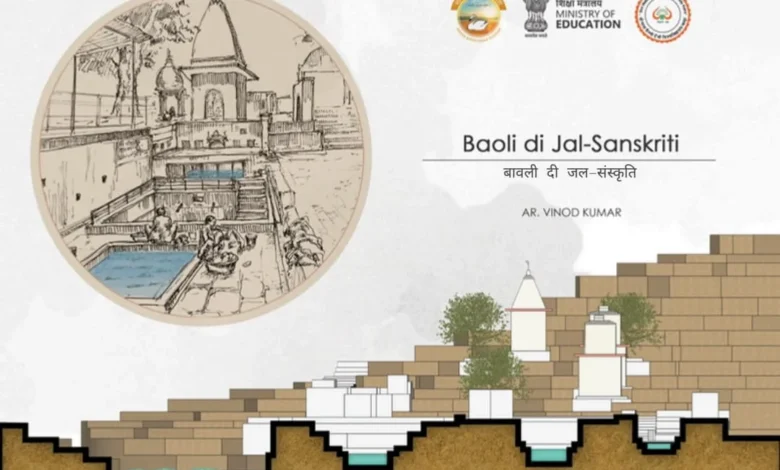
For millennia, the civilisation of Bharat developed in intimate dialogue with nature. Rivers were revered as mothers, forests as sacred abodes, mountains as embodiments of divinity, and water as the very essence of life. In a land marked by diverse climatic conditions — from the arid deserts of Rajasthan to the rain-soaked hills of Meghalaya — communities evolved highly sophisticated and sustainable systems for conserving and managing water. These traditional water conservation systems were not merely technological arrangements; they formed an integral part of Bharat’s traditional ecological knowledge systems, rooted in collective wisdom, local geography, social responsibility, and spiritual consciousness.
Long before the advent of modern dams and pipelines, Indian communities understood the importance of harvesting rainwater, recharging groundwater, and preserving every drop of water with extraordinary ingenuity. These systems were decentralised, community-driven, environmentally harmonious, and perfectly adapted to local ecological conditions. Today, as the world faces severe water scarcity, climate change, and environmental degradation, these age-old practices of Bharat offer invaluable lessons for sustainable living and resource management.
One of the most remarkable examples of traditional water conservation is found in the desert state of Rajasthan. Despite receiving scanty rainfall, communities here devised ingenious methods to survive and flourish in harsh climatic conditions. The Johad system, consisting of small earthen check dams, helped collect and store rainwater while simultaneously recharging groundwater. Villages across Alwar and surrounding regions depended upon johads for agriculture and drinking water for centuries. Similarly, Baoris or stepwells became architectural marvels that combined utility with aesthetics. These deep, intricately designed structures not only stored water but also served as social and cultural gathering spaces. The famous stepwells of Rajasthan and Gujarat stand as enduring symbols of India’s water wisdom.
In Gujarat, the Vav system of stepwells gained extraordinary prominence. Structures such as the famed Rani ki Vav in Patan illustrate how water conservation was seamlessly integrated with art, spirituality, and architecture. These subterranean reservoirs maintained cool temperatures and ensured water availability even during prolonged dry periods. Likewise, in Kutch, communities built Virda systems — shallow wells dug near saline regions to collect fresh rainwater floating above saline groundwater.
The Himalayan regions of Himachal Pradesh and Uttarakhand developed their own unique systems suited to mountainous terrains. The Kuhl irrigation channels of Himachal Pradesh diverted glacier meltwater and stream water through carefully engineered channels to agricultural fields. Managed collectively by local communities, these channels reflected a deep understanding of water distribution and ecological balance. In Uttarakhand, natural springs called Naulas and Dhara served as perennial water sources, often protected through sacred traditions and community regulations.
In the northeastern states, traditional water management practices evolved in harmony with dense forests and heavy rainfall. Meghalaya’s indigenous communities developed Bamboo drip irrigation systems, a marvel of eco-friendly engineering. Water from streams was transported through intricately connected bamboo channels across difficult terrains directly to agricultural fields. This system minimised wastage and demonstrated exceptional efficiency without causing ecological damage.
The floodplains and riverine regions of eastern Bharat also nurtured innovative systems. In Bihar, the ancient Ahar-Pyne system represented a sophisticated network of reservoirs and channels designed to harvest floodwater and irrigate fields. This centuries-old technology helped regulate water flow, prevent flooding, and ensure agricultural productivity. Similarly, in West Bengal, ponds and tanks known as Pukurs became essential for storing rainwater and maintaining groundwater levels.
Southern India possesses a rich legacy of tank irrigation systems. Tamil Nadu’s ancient Eri system consisted of interconnected tanks that harvested monsoon rains and ensured equitable distribution of water across villages. These tanks also supported biodiversity, fisheries, and groundwater recharge. The Chola rulers are known to have extensively patronised such systems, understanding the intimate connection between water security and civilisational prosperity. Karnataka’s Kere tanks and Andhra Pradesh’s traditional reservoirs similarly played a crucial role in sustaining agrarian life.
In Maharashtra, communities practised Bandhara systems — small check dams built across streams to retain water and recharge aquifers. The region also witnessed widespread use of percolation tanks and village ponds. In the tribal belts of central India, indigenous communities conserved water through forest protection and small earthen embankments that maintained soil moisture and groundwater reserves.
The cold desert regions of Ladakh developed an entirely different approach to water conservation. Here, communities created artificial glaciers and channel systems to store melting snow and ensure water supply during dry months. These ingenious methods reflected an intimate understanding of fragile mountain ecosystems and seasonal water cycles.
Traditional water conservation systems in Bharat were never isolated technical mechanisms; they formed part of a larger ecological worldview. Water bodies were frequently associated with temples, sacred groves, festivals, and community rituals. This cultural and spiritual dimension ensured collective responsibility toward conservation. Lakes, ponds, and wells were considered sacred entities deserving protection and respect. Such traditions fostered environmental ethics that modern societies often struggle to cultivate through laws alone.
These systems also exemplified the principles of decentralisation and community participation. Maintenance of tanks, wells, and canals was usually undertaken collectively by village communities. Water-sharing practices were governed through local customs that promoted equity and sustainability. Unlike many modern systems dependent upon excessive extraction and centralised control, traditional Indian practices emphasised regeneration, moderation, and coexistence with nature.
The ecological significance of these systems extended far beyond water storage. Traditional tanks and ponds supported biodiversity, moderated local climates, prevented soil erosion, and replenished groundwater. Stepwells and reservoirs often became habitats for birds, fish, and other species. Forest conservation practices associated with watersheds protected catchment areas and maintained hydrological balance. Thus, these systems represented a holistic environmental knowledge framework where human survival was inseparable from ecological well-being.
Unfortunately, many of these traditional systems declined during colonial rule and the subsequent emphasis on centralised irrigation models. Urbanisation, neglect, encroachment, and changing lifestyles further contributed to their deterioration. In many regions, traditional tanks and ponds were abandoned or converted for construction activities. Modern groundwater extraction through borewells disrupted age-old water balance systems, leading to alarming depletion of aquifers.
Yet, the relevance of Bharat’s traditional water wisdom has only increased in the contemporary world. Today, humanity faces an unprecedented water crisis. Rapid urbanisation, industrial pollution, climate change, shrinking rivers, and excessive groundwater extraction threaten water security across nations. According to global estimates, billions of people may face severe water scarcity in the coming decades. Environmental degradation and unsustainable development patterns have intensified droughts, floods, and ecological imbalance.
In such a scenario, Bharat’s traditional water conservation practices provide a powerful model for sustainable living. Their emphasis on rainwater harvesting, groundwater recharge, local participation, ecological sensitivity, and decentralised management aligns perfectly with the principles of environmental sustainability. Reviving ponds, stepwells, tanks, and traditional irrigation systems can significantly strengthen water resilience in both rural and urban areas.
Several successful initiatives in modern India have already demonstrated this potential. The revival of johads in Rajasthan under community leadership transformed drought-prone regions into water-secure areas. Restoration of traditional tanks in South India has improved groundwater levels and agricultural productivity. Across many villages, communities are rediscovering ancient wisdom to combat contemporary crises.
Moreover, these systems embody an alternative philosophy of development — one that respects nature rather than exploiting it recklessly. At a time when the world is searching for climate-resilient solutions, Bharat’s traditional ecological knowledge offers timeless guidance. It reminds humanity that sustainability is not merely a technological challenge but also a cultural and ethical responsibility.
The story of Bharat’s traditional water conservation systems is therefore not simply a story of the past; it is a living heritage with profound relevance for the future. These practices reveal the scientific brilliance, environmental consciousness, and community spirit that characterised Indian civilisation for centuries. They demonstrate how societies can prosper while remaining in harmony with nature.
As the world confronts worsening water scarcity and environmental decline, the ancient wisdom of Bharat stands as a beacon of hope. Reviving and integrating these traditional systems with modern scientific approaches can help build a more sustainable and resilient future. In every johad, baori, eri, bamboo channel, and village pond lies a timeless lesson: that the preservation of water is ultimately the preservation of life itself.