Lebanon and Israel Resume Direct Talks Amid Uncertainty Over US-Iran Peace Deal
News Mania Desk/ Piyal Chatterjee/23rd June 2026

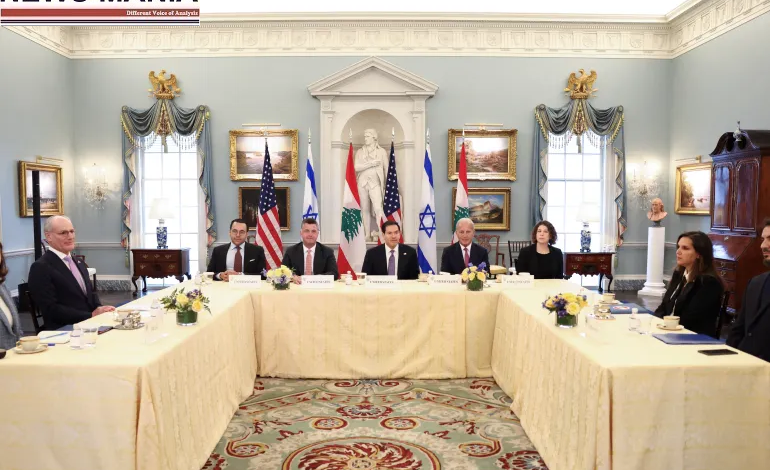
Lebanon and Israel are set to begin a new round of direct negotiations in Washington this week, with both sides hoping to address key security concerns and advance efforts to end months of conflict along their shared border. However, the talks are unfolding under the shadow of a recent US-Iran agreement that has reshaped regional diplomacy and complicated Lebanon’s position in the negotiations.
The discussions come after a period of intense fighting between Israel and Hezbollah, the Iran-backed militant group based in Lebanon. While a ceasefire has largely held in recent days following diplomatic efforts involving the United States, Iran, Qatar and other regional actors, major disagreements remain unresolved.
Lebanese officials are expected to press for a clear timetable for the withdrawal of Israeli forces from southern Lebanon. Beirut argues that restoring full control over its territory is essential for long-term stability and sovereignty. Israel, meanwhile, maintains that any lasting agreement must include steps to curb Hezbollah’s military capabilities and prevent future attacks against Israeli communities near the border.
The negotiations have been complicated by a recently announced memorandum of understanding between Washington and Tehran. The agreement includes provisions aimed at reducing tensions across the region and has contributed to a lull in hostilities in Lebanon. However, some Lebanese officials and analysts fear that the deal has reduced Beirut’s influence by allowing broader regional powers to shape the future of the conflict.
Hezbollah has opposed both calls for its disarmament and the Lebanese government’s direct engagement with Israel. The group is believed to be relying on Iran’s diplomatic leverage to protect its interests during ongoing regional negotiations. Despite the current calm, experts note that neither Israel nor Lebanon has significantly altered its core demands, making a breakthrough difficult.
Diplomats describe the talks as an important test of whether recent regional diplomacy can translate into a durable peace arrangement. While expectations for a comprehensive agreement remain modest, both sides face growing international pressure to prevent a return to violence and establish a framework for long-term stability along the border.