Iran Seeks Control Over Hormuz Traffic Under Proposed Reopening Plan
News Mania Desk/ Piyal Chatterjee/ 4th August 2026

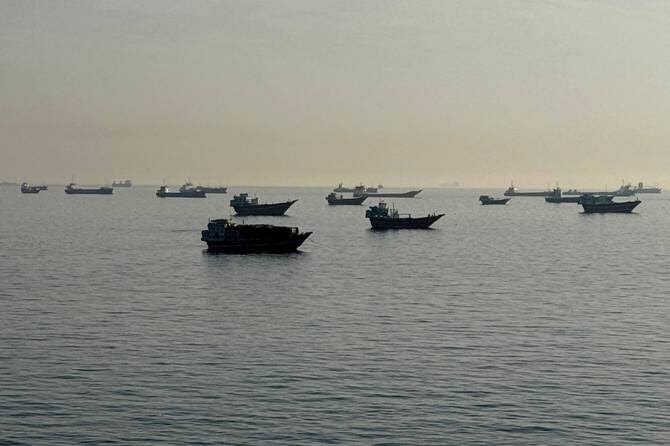
Iran is seeking greater control over shipping through the strategically important Strait of Hormuz as part of a temporary arrangement being discussed with Oman to reopen the vital waterway, according to a senior Iranian source familiar with the talks. Under the proposal currently being considered, Iran would control vessels entering the strait, while maintaining visibility over ships heading out and retaining the ability to intervene if required. The outbound shipping route would run between Iranian and Omani waters, with vessels receiving clearance to exit through Oman after notifying Iranian authorities.
The Iranian source said the arrangement represents the broad framework under discussion but indicated that Tehran was unlikely to significantly alter its position. Iran has already made some concessions, the source said, by moving away from an earlier demand for complete control over maritime traffic moving in both directions.
The disagreement over shipping arrangements has emerged as a major obstacle in efforts to restore normal traffic through the waterway. Iran rejected an Omani proposal last month that called for an equal division of transit routes between the two countries. Tehran argued that the proposal did not adequately address its security concerns and maintained that such issues would need to be resolved before long-term regional stability could be achieved.
The Strait of Hormuz, which connects the Gulf with the Indian Ocean, is one of the world’s most important maritime routes. Around one-fifth of global oil supplies normally pass through the narrow waterway, alongside other essential commodities such as fertilisers. The strait has remained largely blocked since the outbreak of the US-Israeli war with Iran in late February, making its reopening a crucial element in wider diplomatic efforts to end the conflict and restore regional trade.
Washington has maintained that a June memorandum of understanding with Tehran, intended to halt the war, required Iran to reopen the waterway. Iran, however, has interpreted the agreement differently, arguing that the document preserves its authority over shipping movements through the strait.
Before the conflict, vessels travelled freely through the waterway, which lies within the territorial waters of both Iran and Oman but is widely treated as an international maritime passage. The current shipping system follows a two-way traffic separation arrangement adopted by the United Nations shipping agency in 1968, dividing designated routes through Iranian and Omani waters.’s share of Cauvery water.