
RBI Governor Sees Inflation Largely Driven by Supply Shocks, Projects FY27 Average at 5%
News Mania Desk/ Piyal Chatterjee/ 20th August 2026

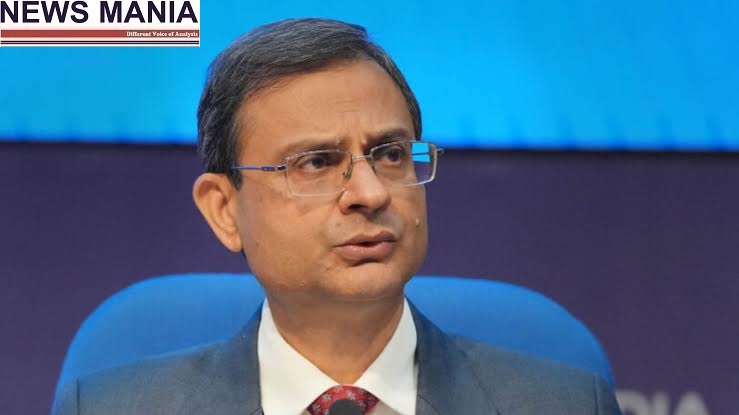
Reserve Bank of India (RBI) Governor Sanjay Malhotra has said that the recent rise in inflation is largely the result of supply-side factors rather than excessive demand, according to the minutes of the Monetary Policy Committee (MPC) meeting released on August 19. The remarks come at a time when policymakers are closely monitoring the impact of higher food and fuel prices on the broader economy.
Malhotra noted that inflationary pressures have primarily been driven by external shocks and supply disruptions, particularly in food and energy markets. While headline inflation has moved up from the relatively benign levels seen earlier, he emphasized that there is limited evidence so far of inflation becoming widespread across the economy.
The RBI Governor projected average inflation for FY27 at 5%, in line with the central bank’s latest forecast. The estimate reflects expectations that inflation will remain elevated in the near term before gradually moderating. The RBI had earlier revised its inflation forecast downward from 5.1% to 5%, while simultaneously raising its GDP growth projection for the fiscal year to 6.7%.
Despite describing inflation as largely supply-driven, Malhotra cautioned that policymakers cannot afford to be complacent. He warned that rising food, fuel and input costs could eventually spill over into the broader economy, leading to more persistent inflationary pressures. Such “second-round effects” could influence inflation expectations and may require a policy response if they become entrenched.
The MPC minutes also highlighted growing concerns over global developments, including higher crude oil prices linked to geopolitical tensions in West Asia. India, which imports the majority of its crude oil requirements, remains particularly vulnerable to sustained increases in energy costs. Policymakers noted that these risks could affect both inflation and economic stability in the coming months.
While the RBI kept the repo rate unchanged at 5.25% during its August policy meeting, several MPC members indicated that future policy decisions would depend on the evolution of inflation. Officials stressed that the central bank remains prepared to act if price pressures become more broad-based.
The minutes suggest that the RBI is maintaining a cautious “wait-and-watch” approach, balancing confidence in India’s growth outlook with vigilance over inflation risks. As global uncertainties persist, the central bank is expected to closely track price trends before considering any adjustment to interest rates.