Supreme Court Asks Centre to Reconsider Delhi Restrictions Ahead of CJP Protest on October 10
News Mania Desk/ Piyal Chatterjee/ 10th October 2026

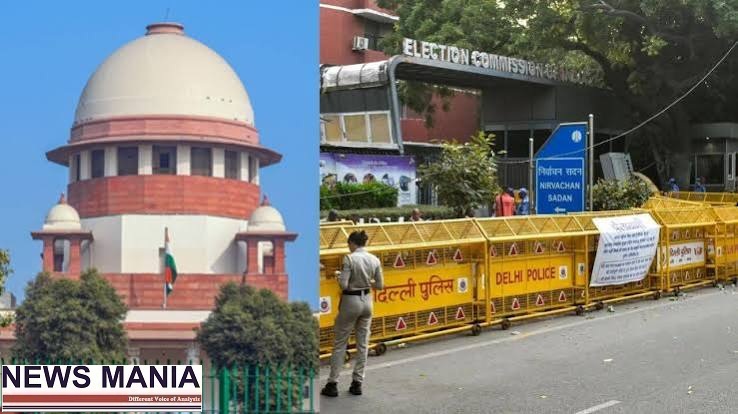
The Supreme Court of India on Friday, October 9, intervened over sweeping security restrictions in Delhi ahead of the Cockroach Janata Party (CJP) protest scheduled for October 10, urging authorities to reconsider measures that could significantly disrupt public transport and inconvenience commuters. The court emphasised that security arrangements must remain proportionate and should not bring the national capital’s transport network to a standstill.
A bench led by Chief Justice of India Surya Kant examined concerns over the proposed closure of Delhi Metro stations, cancellation of trains and restrictions on roads ahead of the planned demonstration. The court stressed that preventive measures intended to maintain law and order should not impose unnecessary hardship on ordinary citizens travelling to and from Delhi.
The intervention came after a plea challenged the restrictions imposed in anticipation of the protest. The court indicated that authorities should review their decisions, particularly those affecting metro connectivity and railway services, while taking public convenience into account. It also called for appropriate traffic advisories to inform commuters about possible disruptions and any changes to the restrictions.
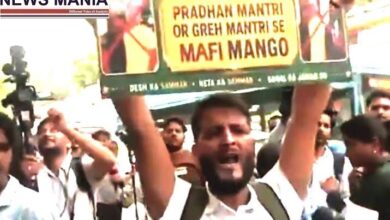
The proposed demonstration has been called by CJP and other groups over alleged irregularities in the Special Intensive Revision (SIR) of electoral rolls. Protesters are also demanding accountability from Chief Election Commissioner Gyanesh Kumar. However, the Delhi Police denied permission for the gathering at Jantar Mantar, citing the short notice given by organisers, alleged non-compliance with directions during an earlier protest and concerns over public safety.
During the hearing, the Supreme Court also addressed the legal implications of holding a demonstration without permission. The bench observed that although citizens have the right to peaceful protest at designated locations, organising a gathering without the necessary authorisation could invite legal consequences. It indicated that restrictions could be reconsidered if the organisers formally challenged the police decision and provided assurances regarding the conduct of the demonstration.
The court also suggested that the authorities explore an alternative venue for the protest to minimise disruption to the public. Details about the expected number of participants and assurances that demonstrators would remain peaceful and refrain from carrying weapons could also be considered while assessing the situation. The Delhi Police maintained that its decision was guided by public safety, traffic management and the need to prevent a potential law-and-order situation. Section 163 of the Bharatiya Nagarik Suraksha Sanhita (BNSS), which empowers authorities to impose preventive restrictions in specified circumstances, remains in force in the New Delhi district.
With the October 10 CJP protest approaching, the Supreme Court’s intervention highlights the challenge of balancing the right to peaceful protest, public safety and the uninterrupted movement of commuters in the national capital.