ISRO Successfully Launches NVS-03 Satellite, Restores NavIC Constellation to Four Satellites
News Mania Desk/ Piyal Chatterjee/ 31st October 2026

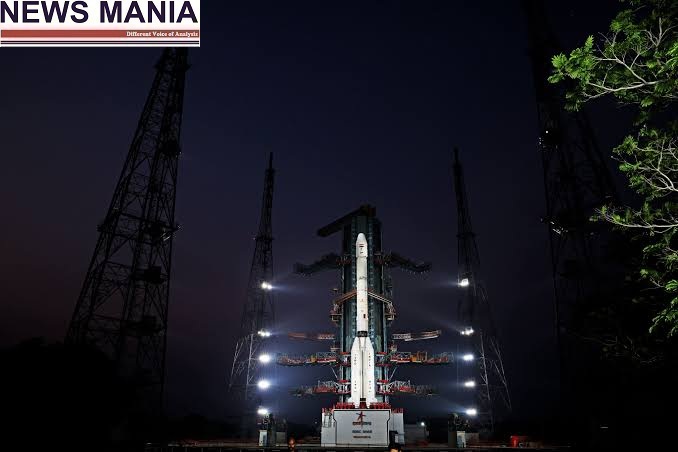
The Indian Space Research Organisation (ISRO) has successfully launched its next-generation navigation satellite, NVS-03, restoring India’s regional navigation system, NavIC, to its minimum operational strength of four satellites. The satellite was carried into space aboard the GSLV-F18 rocket, marking another milestone in India’s efforts to strengthen its independent navigation capabilities.
The launch took place at 11.51 pm on Friday, October 30, 2026, from the Satish Dhawan Space Centre in Sriharikota, Andhra Pradesh. The rocket completed its mission in approximately 18 minutes and placed the satellite into its designated Geosynchronous Transfer Orbit (GTO). ISRO officials confirmed that the mission was successful and that the satellite had been deployed as planned.
Weighing approximately 2,240 kg, NVS-03 is part of ISRO’s second-generation navigation satellite series. It carries an indigenously developed Rubidium atomic clock and supports navigation signals across the L1, L5 and S bands. These technologies are expected to improve the accuracy and reliability of positioning and timing services provided through NavIC.
The successful deployment is particularly significant because the navigation constellation had faced difficulties following the failure of the NVS-02 satellite’s orbit-raising operation in January 2025. A technical problem involving a pyro valve in the satellite’s propulsion system prevented it from reaching its intended orbit. The latest launch has helped restore the constellation to four operational satellites, strengthening India’s ability to provide independent navigation services.
ISRO adopted additional precautions for the NVS-03 mission in response to the earlier setback. The satellite was configured with three pyro valves already open to reduce the possibility of a similar propulsion-related problem.
NavIC, or Navigation with Indian Constellation, provides positioning, navigation and timing services across India and surrounding regions. Its applications include tracking trains, vehicles and ships, supporting emergency services and improving navigation for civilian and strategic purposes. The system is also expected to play an important role in India’s efforts to establish a reliable domestic timekeeping infrastructure under the One Nation, One Time initiative.
ISRO Chairman V Narayanan said the successful launch had restored the navigation constellation to four satellites. He also highlighted the speed of the mission preparation, noting that the gap between two consecutive GSLV launches was just 56 days, the shortest turnaround achieved by the organisation for the rocket. ISRO is planning further launches to expand and strengthen the NavIC network. The next-generation satellites, NVS-04 and NVS-05, are expected to be launched within five and 10 months, respectively.
Prime Minister Narendra Modi congratulated ISRO scientists and engineers on the achievement, describing it as an important development in strengthening India’s indigenous space and navigation capabilities.