
A Supreme Court judge’s “ant” statement made during a debate about judicial transparency triggers debate
News Mania Desk/ Piyal Chatterjee/ 1st August 2026

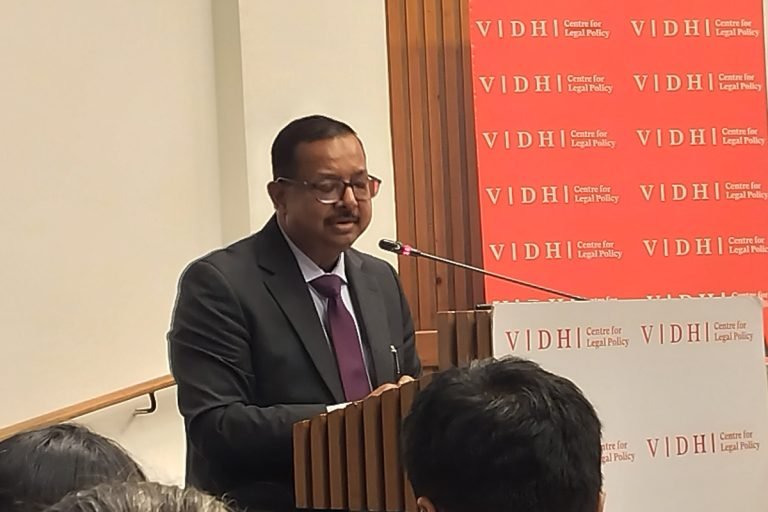
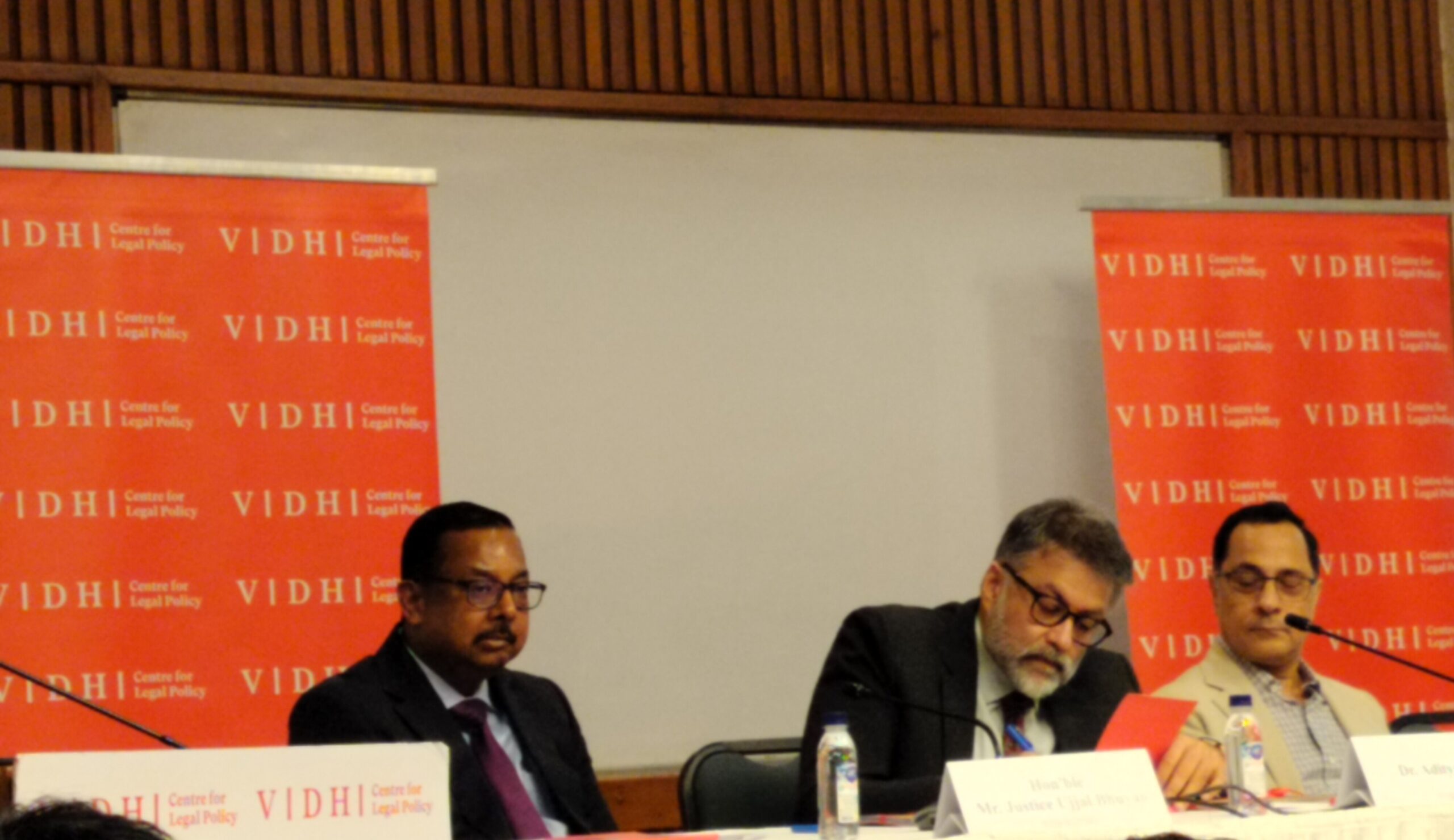
Justice Ujjal Bhuyan of the Supreme Court has advocated for increased openness in the collegium system, claiming that withholding the reasons behind judicial appointments could allow people who make “wholly unconstitutional” statements to join the judiciary in addition to depriving worthy judges of their due recognition.
Speaking at a panel discussion to commemorate the Vidhi Centre for Legal Policy’s launch of the Judicial Transparency Index, Justice Bhuyan questioned why judicial appointments should be shielded from educated public discussion and suggested that the collegium provide an explanation for its recommendations.
“By withholding reasons, we also create space for individuals to enter the judiciary who may later describe groups of people as ‘ants’ and make other remarks that are wholly unconstitutional and contrary to the values of the Constitution,” he said during the panel discussion.
According to Justice Bhuyan, exceptional judges whose accomplishments and labour need to be in the public eye were harmed by the lack of justification for judicial appointments. He contended that increased transparency and dialogue regarding appointments could aid in preventing the ascent of people whose opinions would conflict with constitutional principles.
To prevent the elevation of such individuals, there should be discussion. There should be reasons explaining what happened. What harm is caused if there is informed public debate on such decisions?” Justice Bhuyan said.
In addition, Justice Bhuyan presented a more comprehensive argument for increased openness in the selection and transfer of judges during his speech to the assembly. He noted that the criteria used by the collegium are not outlined in any publicly available document, discussions regarding the elevation and transfer of judges are kept private, and the reasons for rejecting or postponing proposals are seldom fully acknowledged. Additionally, Justice Bhuyan highlighted what he called a recent change in statements made by the Supreme Court collegium.
“I have seen that the last three statements of the Supreme Court collegium do not contain any reason at all for recommending elevation as opposed to the earlier statements where each of the recommendations were supported by some reason,” he said.
Justice Bhuyan described this as a “reflexive gap”, pointing to the contrast between a judiciary that has embraced greater openness in its adjudicative role and one that remains more guarded about its own institutional processes.
“Deliberations over the elevation and transfer of judges remain confidential; reasons for rejecting or deferring a recommendation are rarely disclosed in full; and the criteria applied are not codified in any publicly accessible instrument comparable to the Memorandum of Procedure’s own limited disclosure,” he said.
Justice Bhuyan also raised the broader question of accountability within the judiciary. “Every legal system that claims to administer justice rather than merely dispense power must answer an old and uncomfortable question: who watches the watchmen?” he said.
The Supreme Court collegium system in India, which involves the Chief Justice and senior judges recommending appointments and transfers in the higher judiciary, has faced criticism
for its lack of transparency. Critics argue there is insufficient public information regarding candidate selection criteria.
Despite this, the judiciary defends the system as vital for maintaining judicial independence from government influence. Tensions between the judiciary and government have been evident, notably when Parliament attempted to replace the collegium with the National Judicial Appointments Commission (NJAC), which the Supreme Court invalidated in 2015. Former Chief Justice DY Chandrachud, in 2024, affirmed the need for the collegium while emphasizing ongoing efforts to enhance transparency in the appointment process.