Modi’s Central Asia Visit to Deepen India’s Strategic Footprint
News Mania Desk/ Piyal Chatterjee/ 4th August 2026

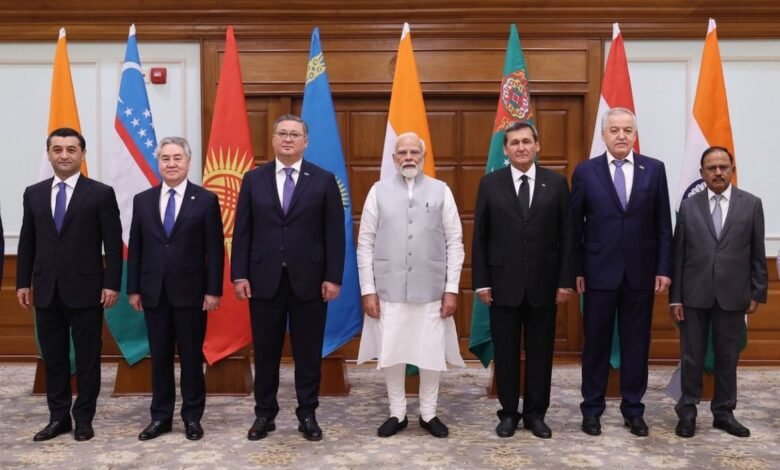
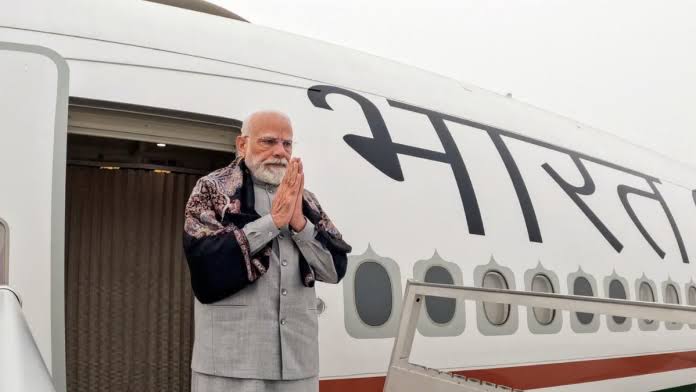
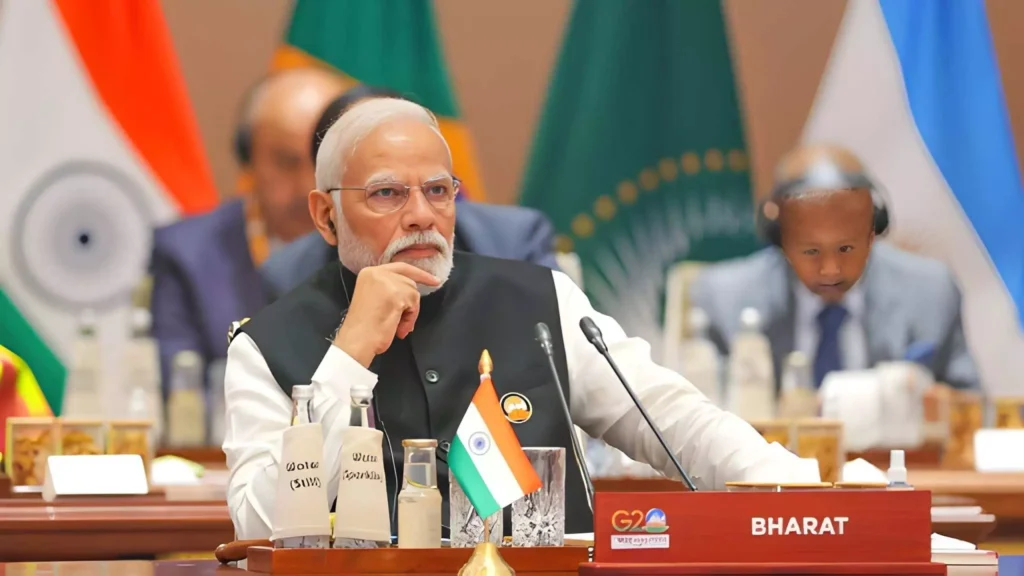
Prime Minister Narendra Modi is set to visit Kyrgyzstan and Uzbekistan as India seeks to strengthen its diplomatic, economic and strategic engagement with Central Asia. The tour is expected to underline New Delhi’s growing focus on the region at a time when geopolitical
competition and security concerns are reshaping ties across the Eurasian landmass.
Modi’s visit to Kyrgyzstan will also see him attend the Shanghai Cooperation Organisation (SCO) summit. His participation is likely to provide India an opportunity to engage with the leaders of major regional powers and discuss issues ranging from security and connectivity to trade and economic cooperation.
Central Asia has assumed greater importance in India’s foreign-policy calculations in recent years. The region is strategically located between Russia, China, Afghanistan and South Asia and offers opportunities for India to expand its economic and political presence. New Delhi has also sought stronger partnerships with Central Asian countries on terrorism, energy, transport connectivity and regional stability.
During the visit, discussions are expected to focus on strengthening bilateral relations and expanding cooperation in areas such as trade, investment, energy, defence, digital technology, education and culture. Connectivity is also likely to remain a key issue, given India’s geographical disadvantage in accessing Central Asian markets. However, the absence of direct land connectivity has remained a major challenge. New Delhi has therefore supported alternative transport routes and regional connectivity projects that can improve access to Central Asian markets.
Security cooperation is another important component of India’s engagement. The situation in Afghanistan, terrorism and extremism, and broader regional stability remain shared concerns. India has consistently stressed the need for countries in the region to prevent their territories from being used for terrorist activities.
Uzbekistan, the most populous country in Central Asia, has emerged as an increasingly important partner for India. Bilateral ties have expanded beyond traditional areas into pharmaceuticals, information technology, education, agriculture and other sectors. India is also keen to explore additional avenues for trade and investment with the country. Kyrgyzstan, meanwhile, has been an important partner in India’s broader Central Asian outreach. Defence and security cooperation, including military exercises and training, have formed an important part of the bilateral relationship.e tenure of M. K. Narayanan ended.