WHO Launches Global Research Roadmap on Climate, Health and Migration
News Mania Desk/ 6th August 2026

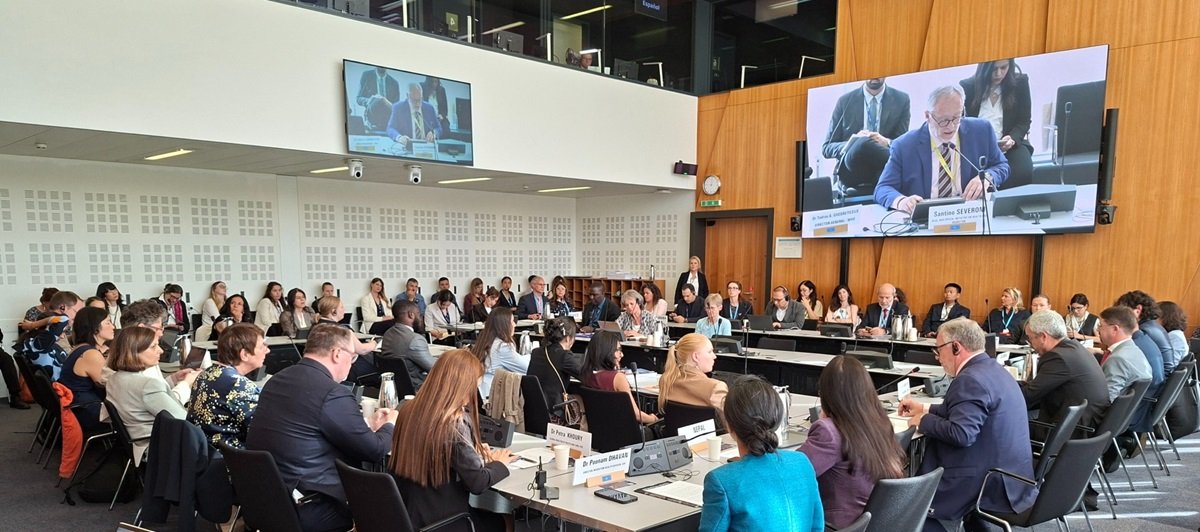
The World Health Organization (WHO) has unveiled a Global Research Prioritization and Action Plan to address the growing intersection of climate change, migration, displacement, and public health. Launched during a virtual webinar on 22 July 2026, the initiative brought together more than 300 participants from over 75 countries, marking a significant step towards strengthening evidence-based policies for one of the world’s fastest-growing humanitarian challenges.
The initiative, jointly led by WHO Health and Migration and WHO Climate Change, Energy and Air Quality, aims to bridge critical knowledge gaps on how climate-driven migration affects health, well-being, and access to healthcare. As climate change increasingly contributes to displacement through extreme weather events, rising sea levels, droughts, and environmental degradation, vulnerable populations often face heightened health risks and limited access to essential medical services.
Dr. Santino Severoni, Head of WHO Health and Migration, emphasized that closing research gaps is essential to achieving universal health coverage, strengthening climate resilience, and ensuring migrant and displaced populations are fully integrated into national health systems.
The research exercise identified priority areas across three major themes:
- Social determinants of health
- Universal health coverage
- Emergency preparedness and response
It also highlighted cross-cutting priorities, including improved migration-sensitive data systems, evidence-based health policies, and research on mental health, maternal and child health, chronic diseases, and the long-term health impacts of climate-related displacement.
Dr. Diarmid Campbell-Lendrum, Head of WHO Climate Change, Energy and Air Quality, noted that climate change is already reshaping both population mobility and global health, making stronger scientific evidence essential for effective policymaking.
The WHO’s action roadmap encourages governments, researchers, and international partners to strengthen interdisciplinary collaboration, improve data collection, promote community-centred research, and translate scientific findings into practical health policies. By embedding these priorities into national and regional health strategies, WHO aims to build more resilient, equitable, and migrant-inclusive health systems capable of responding to the growing challenges posed by climate change.
The initiative reinforces WHO’s commitment to ensuring that research not only expands global knowledge but also drives tangible policy action to protect the health of migrant and displaced populations in an increasingly climate-affected world.trategic issues, including emerging technologies, maritime safety and security, UN peacekeeping operations, development partnerships, and disaster response cooperation. The interaction underscored India’s growing engagement with the international community and its role as a leading voice for the Global South.
Concluding the meeting, the External Affairs Minister extended his best wishes to the visiting diplomats, expressing hope that they would have a productive and pleasant stay in India. The visit forms part of India’s diplomatic outreach to strengthen partnerships and deepen engagement with UN member states.