
IFA 2026: AI Moves Beyond Chatbots as Robots and Smart Devices Enter the Physical World
News Mania Desk/ Piyal Chatterjee/ 4th September 2026

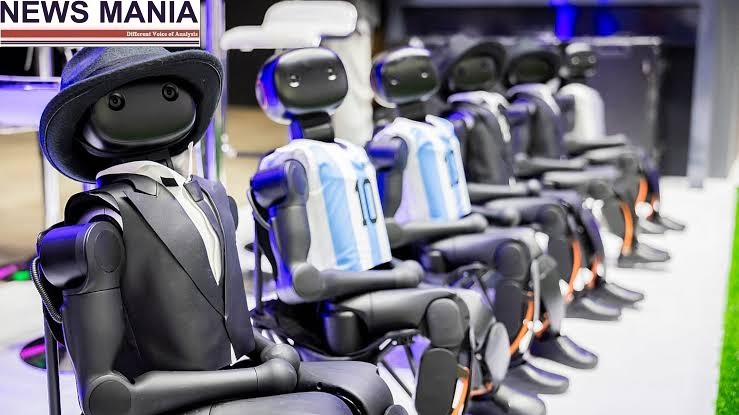
Artificial intelligence is moving beyond computer screens and chatbots, with new technologies showcased at IFA 2026 demonstrating how AI is increasingly gaining physical forms, senses and the ability to interact with the real world.
The technology showcased at the major consumer electronics event in Berlin reflects the growing development of what is known as “embodied intelligence”. Instead of remaining confined to software, AI systems are being integrated into robots, wearable devices and other technologies that can see, respond and assist people in physical environments.
One of the key developments at the event comes from PrimeBOT, which is displaying personal humanoid robots designed for homes. The company has introduced the PrimeBOT Q1, a compact programmable humanoid focused on interaction, creativity and learning, along with the transformable PrimeBOT T1, designed to provide companionship, mobility and assistance. PrimeBOT CEO Tian Hua said personal robots could eventually become common household devices, potentially serving as companions and helping users with everyday activities. The development represents a shift from the traditional concept of robots primarily performing industrial or repetitive work.
AI-powered devices are also being developed to enhance people’s interaction with nature. MatataXplore is showcasing its Solvia 8×32 smart binoculars, which use artificial intelligence to identify more than 10,000 species. The technology is intended to help birdwatchers and nature enthusiasts recognise animals and understand what they are observing without requiring specialist knowledge.
Another example comes from underwater technology company AREX, which has developed an intelligent diving mask incorporating augmented reality. The system places important information within a diver’s field of vision, potentially allowing users to monitor essential details without relying on a separate device.
The technology could have applications beyond recreation, particularly in dangerous professions where maintaining situational awareness is crucial. Similar concepts could eventually assist firefighters, police personnel and other emergency workers operating in difficult environments. The developments at IFA 2026 suggest that the next phase of the AI revolution may not be limited to increasingly capable software. Instead, companies are working to give AI eyes, movement and physical presence, potentially transforming how people interact with intelligent machines in everyday life.