Matcha Faces New Competition as Ube and Hojicha Gain Popularity in India
News Mania Desk/ Piyal Chatterjee/ 10th September 2026

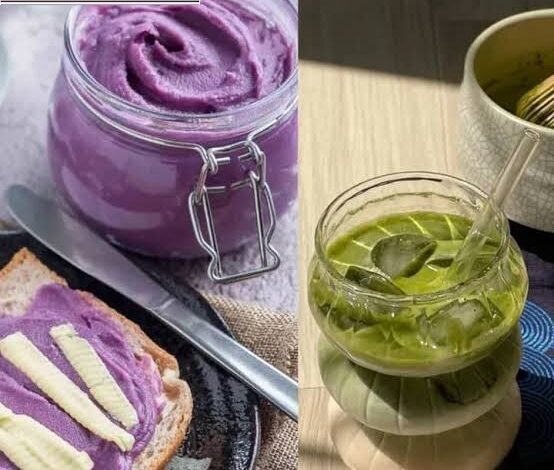
Matcha’s reign as India’s favourite trendy café beverage could be facing competition, with ube and hojicha emerging as the latest drinks attracting attention in different parts of the country. New Google search data suggests that consumers are increasingly exploring alternatives to the Japanese green tea that has dominated café menus and social media feeds. However, the growing curiosity around ube and hojicha indicates that India’s beverage trends may be entering a new phase, with consumers looking for different flavours, colours and experiences.
Ube, a purple-coloured sweet yam native to the Philippines, has emerged as one of the most prominent newcomers. Its distinctive violet colour has helped it gain popularity in lattes, desserts, cakes and other café offerings. Beyond its visual appeal, ube has a naturally sweet and nutty flavour, making it suitable for both beverages and desserts.
According to the search data cited in the report, Telangana has emerged as the Indian state showing the strongest interest in ube. The trend reflects the growing influence of global food culture on Indian consumers, particularly among younger audiences who increasingly discover new ingredients through social media and speciality cafés.
Hojicha, meanwhile, appears to be finding a particularly strong following in Delhi. Unlike matcha, which is made from powdered green tea leaves, hojicha is produced by roasting Japanese green tea leaves. The roasting process gives the beverage a distinctive brown colour and a deeper, toastier flavour.
Hojicha also contains less caffeine than many other green teas, potentially making it attractive to consumers who want a milder alternative to matcha. Its roasted, slightly nutty profile has increasingly appeared in lattes, desserts and contemporary café menus.
The rise of ube and hojicha does not necessarily mean matcha is disappearing. Instead, the changing search patterns suggest that India’s café culture is becoming more experimental. Consumers are increasingly willing to move beyond established trends and try ingredients that offer unusual flavours and visual appeal. With speciality cafés continuing to introduce international food and beverage trends, ube and hojicha could become the next major additions to India’s rapidly evolving café culture.