
Spain’s PM Pedro Sanchez Calls Early Election for November 29 Amid Political Uncertainty
News Mania Desk/ Piyal Chatterjee/ 5th October 2026

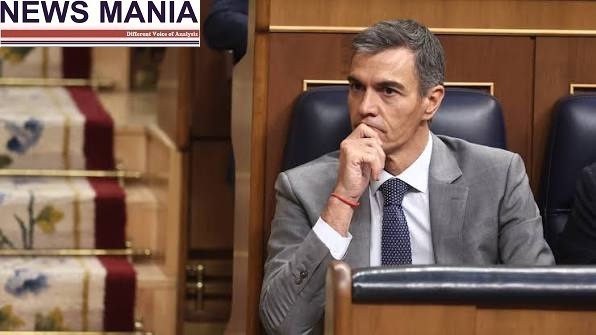
Spanish Prime Minister Pedro Sanchez has announced an early general election for November 29, bringing forward a national vote as his minority government faces mounting political pressure and difficulties in securing parliamentary support. Sanchez made the announcement after his government suffered a parliamentary setback over measures linked to Spain’s housing crisis. The decision ends months of speculation over whether the prime minister would seek a fresh mandate before the scheduled election.
The government has faced increasing challenges in passing legislation because of its dependence on smaller parties to maintain a parliamentary majority. Sanchez has governed through alliances with several regional and left-wing parties, but disagreements among those groups have repeatedly complicated his administration’s efforts to advance key measures.
Housing has emerged as one of the most politically sensitive issues in Spain. Rising rents and property prices have made affordable accommodation increasingly difficult to secure, particularly for younger people and families in major cities. The government had proposed measures aimed at addressing the crisis, but parliament rejected the latest package, adding to pressure on Sanchez.
Following the setback, Sanchez said he wanted voters to decide the country’s political direction. The prime minister is seeking a stronger mandate that would allow his government to pursue its programme with greater parliamentary backing. The announcement comes at a challenging time for Sanchez’s Socialist Party. Opinion polls have indicated that the opposition conservative People’s Party is ahead of the Socialists, while the right-wing Vox party has also maintained significant support. The possibility of the two parties working together after the election has added uncertainty to the political contest.
Sanchez has served as prime minister since 2018 and has remained in power despite governing without a stable majority. His administration has relied on agreements with smaller political parties to pass legislation and remain in office. The government has also struggled to approve a national budget, with Spain operating without a new budget since 2023. The prolonged parliamentary deadlock has increased pressure on the government and contributed to calls for a fresh electoral mandate.
The November election will therefore determine whether Sanchez can continue leading the country or whether the opposition will gain enough support to form a government. The result could also reshape Spain’s political landscape, particularly if the conservative and far-right parties secure sufficient seats to cooperate.
The early election will put Sanchez’s record in government before voters at a time when concerns over housing, public finances and political stability are among the major issues facing Spain. With the campaign expected to focus heavily on the cost of living and housing affordability, the November 29 vote is set to be a significant test for Sanchez and the political alliances that have sustained his government.