EC Establishes 19 Appellate Tribunals in West Bengal Ahead of Assembly Polls
News Mania Desk/ Piyal Chatterjee/23rd March 2026

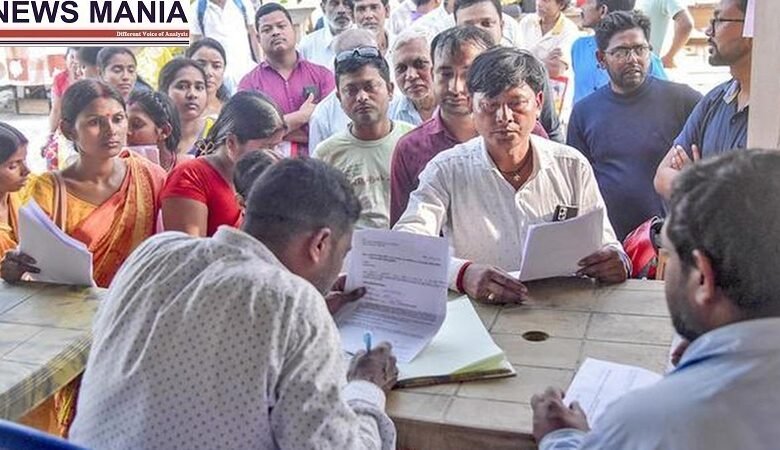
In a significant move aimed at strengthening the integrity of electoral processes, the Election Commission of India has set up 19 appellate tribunals across West Bengal to address disputes related to electoral rolls. The decision comes as part of the ongoing revision of voter lists in preparation for the upcoming 2026 Assembly elections in the state.
The tribunals have been constituted following directions from the Supreme Court of India, which emphasized the need for a robust grievance redressal mechanism during the revision of electoral rolls. Acting on recommendations from the Calcutta High Court, the ECI moved swiftly to ensure that voters have access to an independent appellate system.
Each of the 19 tribunals will be headed by former High Court judges, lending credibility and judicial oversight to the process. These bodies are tasked with hearing appeals against decisions made by electoral registration authorities concerning the inclusion or deletion of names in voter lists. Citizens who are dissatisfied with initial rulings on their claims or objections can approach these tribunals as a final recourse.
The initiative is part of a broader Special Intensive Revision (SIR) exercise currently underway in West Bengal. This large-scale verification process involves scrutinizing millions of voter entries to ensure that only eligible individuals remain on the rolls, while ineligible or duplicate entries are removed. The introduction of appellate tribunals is expected to enhance transparency and accountability in this process.
Officials believe that the tribunals will play a crucial role in safeguarding voters’ rights by ensuring that genuine electors are not excluded due to administrative errors. At the same time, they will help maintain the credibility of the electoral system by addressing concerns about wrongful inclusions.
The tribunals are strategically distributed across various districts of the state to ensure accessibility for citizens. Their establishment is also seen as a proactive step to minimize election-related disputes and litigation during the polling period.
This development assumes added importance given the politically sensitive environment in West Bengal, where electoral processes are often closely scrutinized by political parties and civil society groups. By providing a structured and transparent appeals mechanism, the ECI aims to build greater public trust in the electoral framework.
With the Assembly elections approaching, the creation of these tribunals underscores the Commission’s commitment to conducting free and fair polls. It also highlights the importance of maintaining accurate electoral rolls, which form the backbone of any democratic exercise.