

Saikat Kumar Basu
Kidney stones represent one of the most common disorders of the urinary system. The disease occurs when substances such as calcium, oxalate, and uric acid accumulate and crystallize in the kidneys. The prevalence of kidney stones has been increasing worldwide due to lifestyle changes, dehydration, and dietary patterns.
Traditional systems of medicine such as Ayurveda, Unani medicine and Traditional Chinese Medicine have long used medicinal plants to help dissolve stones, reduce pain, and promote urine flow. Herbal drugs are often considered safer and more accessible than synthetic pharmaceuticals. Many medicinal plants possess bioactive compounds that inhibit crystal formation, promote urine flow, and reduce inflammation. These properties make medicinal plants valuable candidates for the prevention and treatment of kidney stones.
Medicinal plants may be administered in several forms such as herbal decoctions or as teas, powdered plant extracts, as tablets or capsules in herbal formulations, or as fresh plant juice or paste. These preparations are often combined with dietary management and adequate water intake. Advantages of herbal treatment include fewer side effects compared to some synthetic drugs; and being natural and cost-effective they often help to effectively prevent recurrence of kidney stones. They are widely available in rural and traditional healthcare.
Medicinal plants act through several mechanisms in preventing and treating kidney stones. This could be by increasing urine output (diuretic action) or by inhibiting nucleation and aggregation of crystals by dissolving existing stones. The other options are by reducing inflammation and pain in urinary tissues, and by protecting kidney cells through antioxidant activity. These combined pharmacological effects contribute to the effectiveness of herbal remedies in managing kidney stones.
Important medicinal plants used against kidney stones
Relevant studies focusing on the anti-urolithiatic activity of medicinal plants were examined to identify species with proven therapeutic potential.
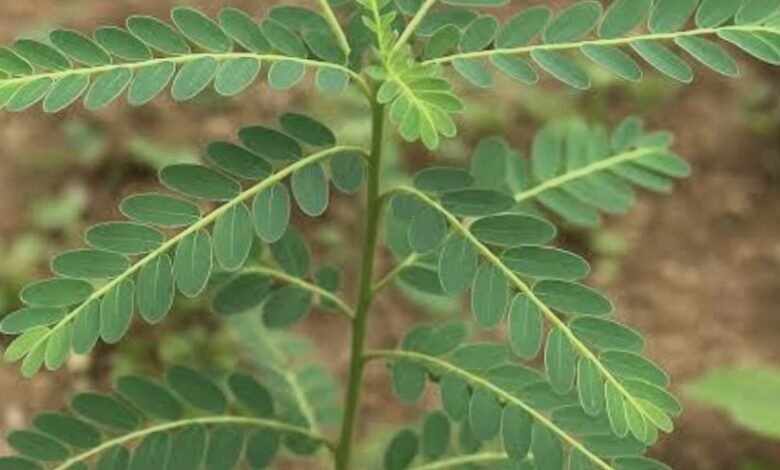
1. Phyllanthus niruri (Stonebreaker / Bhumi Amla): Widely used in tropical ethnomedicine. Helps inhibit calcium oxalate crystal formation. Promotes elimination of stones through urine. Often consumed as herbal tea or extract.
2. Tribulus terrestris (Gokshura): Used in Ayurveda for urinary disorders. Acts as a diuretic and reduces urinary tract inflammation. Helps dissolve small kidney stones.
3. Crataeva nurvala (Varuna): Traditionally used for bladder and kidney stones.. Improves urinary flow and reduces stone formation. Used in many Ayurvedic formulations.
4. Bergenia ligulata (Pashanbheda): The name literally means “stone breaker.” Helps disintegrate kidney stones and relieve pain. Contains compounds that inhibit crystal aggregation.
5. Boerhavia diffusa (Punarnava): Known for strong diuretic properties. Helps reduce swelling and promotes urine excretion. Useful in urinary and kidney disorders.
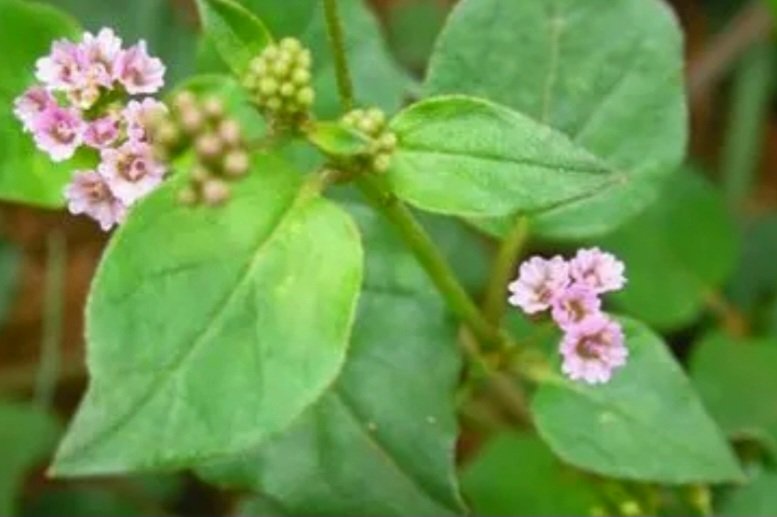
6. Aerva lanata (Mountain Knotgrass): Used in traditional medicine in India and Sri Lanka. Helps dissolve stones and relieve burning urination.
However, it is important to mention that scientific evidence for some medicinal plants is still limited; and the dosage and preparation methods may vary. Severe or large stones may rrequire modern medical procedures such as lithotripsy or surgery. Herbal remedies should ideally be used under guidance of qualified practitioners.
Kidney stone disease, or Urolithiasis, is a common urinary disorder affecting a significant portion of the global population. The condition is characterized by the formation of crystalline mineral deposits in the kidneys due to metabolic abnormalities and dietary factors. Although modern medical interventions such as lithotripsy and surgery are widely practiced, high recurrence rates and treatment costs have encouraged the search for alternative therapies. Medicinal plants used in traditional systems like Ayurveda offer promising natural remedies with fewer side effects. Several plant species have been reported to possess anti-urolithiatic, diuretic, and antioxidant properties that help prevent stone formation and promote their dissolution. This paper highlights selected medicinal plants used in the management of kidney stones and discusses their therapeutic potential.
Medicinal plants provide a valuable source of natural compounds for the management of kidney stones. Several species such as Phyllanthus niruri, Bergenia ligulata, and Tribulus terrestris have demonstrated promising anti-urolithiatic properties in traditional medicine and scientific studies. Further pharmacological research and clinical trials are necessary to validate their efficacy and develop standardized herbal formulations. Integrating traditional plant-based knowledge with modern medical research may contribute to safer and more effective treatments for kidney stone disease.